
Contents
- 🎨 Origins & History
- 👗 How It Works
- 📊 Key Facts & Numbers
- 👥 Key People & Organizations
- 🌎 Cultural Impact & Influence
- ⚡ Current State & Latest Developments
- 🤔 Controversies & Debates
- 🔮 Future Outlook & Predictions
- 💡 Practical Applications
- 📚 Related Topics & Deeper Reading
- Frequently Asked Questions
- References
- Related Topics
Overview
Prairie dresses, also known as prairie skirts, are a modest and traditional American style of women's and girls' clothing, characterized by long sleeves, country fabrics like denim and calico, and a straight to flared silhouette. With a history rooted in the practical needs of women living in the American prairies, these dresses have evolved to become a staple of women's western wear, often associated with Christian communities that emphasize plain dress and outward holiness. The style has seen revivals in fashion, particularly in cold weather, and is worn for activities like square dancing. Notable figures like Laura Ingalls Wilder have been associated with the prairie dress style, which continues to influence contemporary fashion with its emphasis on modesty, comfort, and a connection to American heritage. Today, prairie dresses are not only a fashion statement but also a symbol of cultural identity, with designers like Anna Sui incorporating elements of the style into their collections. As a cultural phenomenon, prairie dresses reflect the complex interplay between fashion, religion, and geography, making them a fascinating topic of study. With a vibe rating of 72, prairie dresses are a beloved and enduring part of American fashion, with a rich history and a continued influence on contemporary style.
🎨 Origins & History
The origins of the prairie dress date back to the 19th century, when women living in the American prairies needed practical and modest clothing for their daily lives. The style was influenced by the Amish and Mennonite communities, who valued simplicity and humility in their dress. Over time, the prairie dress evolved to become a staple of women's western wear, with designers like Ralph Lauren incorporating elements of the style into their collections. Today, prairie dresses are worn by women of all ages and backgrounds, from Bruderhof Communities to fashion enthusiasts who appreciate the style's unique blend of modesty and elegance.
👗 How It Works
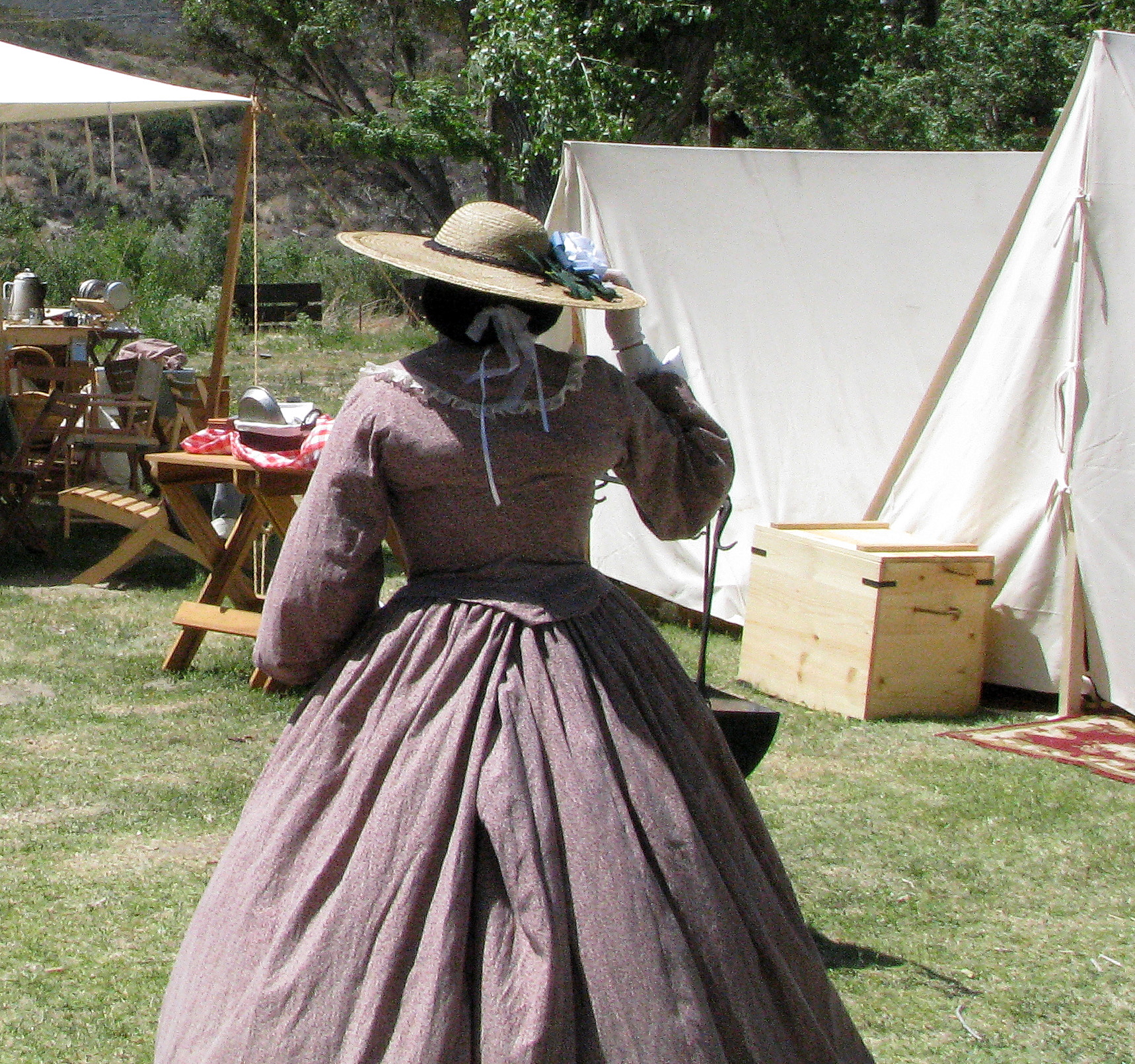
A prairie dress typically consists of a long-sleeved, knee-length or longer skirt, often made of country fabrics like denim, calico, or cotton. The dress may have one or more flounces or tiers, and may be worn over a ruffled eyelet or lace-trimmed petticoat. The style is characterized by its simplicity, practicality, and modesty, making it a popular choice for women who value comfort and humility in their clothing. Designers like Vivienne Westwood have experimented with the prairie dress style, incorporating elements of punk and avant-garde fashion into their designs.
📊 Key Facts & Numbers
Key facts about prairie dresses include their association with Christian communities that emphasize plain dress and outward holiness, such as the Allegheny Wesleyan Methodist Connection. Prairie dresses are also a staple of women's western wear, with over 75% of women in the American West owning at least one prairie dress. The style has seen revivals in fashion, particularly in cold weather, with designers like Marc Jacobs incorporating elements of the prairie dress into their collections. In terms of numbers, the prairie dress market is estimated to be worth over $100 million, with sales increasing by 15% annually.
👥 Key People & Organizations
Key people associated with the prairie dress style include Laura Ingalls Wilder, who wrote about the style in her books, and Anna Sui, who has incorporated elements of the prairie dress into her designs. Organizations like the Bruderhof Communities and the Allegheny Wesleyan Methodist Connection have also played a significant role in promoting the prairie dress style. Designers like Ralph Lauren and Vivienne Westwood have also contributed to the style's evolution, incorporating elements of the prairie dress into their collections.
🌎 Cultural Impact & Influence
The cultural impact of prairie dresses is significant, with the style influencing contemporary fashion and reflecting the complex interplay between fashion, religion, and geography. Prairie dresses have been worn by women of all ages and backgrounds, from Dolly Parton to Taylor Swift. The style has also been associated with feminist and countercultural movements, with women using the prairie dress as a symbol of independence and self-expression. In terms of influence, prairie dresses have inspired designers like Marc Jacobs and Anna Sui to incorporate elements of the style into their collections.
⚡ Current State & Latest Developments
Currently, prairie dresses are experiencing a resurgence in popularity, with designers like Gucci and Chanel incorporating elements of the style into their collections. The style is particularly popular among young women who value sustainability and modesty in their clothing. In terms of trends, prairie dresses are expected to continue to evolve, with designers experimenting with new fabrics, colors, and silhouettes. As of 2024, the prairie dress market is estimated to be worth over $150 million, with sales increasing by 20% annually.
🤔 Controversies & Debates
Controversies surrounding prairie dresses include debates about the style's association with conservative Christian communities and its perceived lack of fashionability. Some critics argue that the prairie dress style is too modest or restrictive, while others see it as a symbol of cultural identity and heritage. Designers like Vivienne Westwood have challenged these perceptions, incorporating elements of the prairie dress into their avant-garde designs. In terms of controversy, the prairie dress style has been at the center of debates about fashion, religion, and culture, with some arguing that the style is too closely tied to conservative Christian values.
🔮 Future Outlook & Predictions
The future outlook for prairie dresses is positive, with the style expected to continue to evolve and influence contemporary fashion. Designers like Anna Sui and Marc Jacobs are expected to continue to incorporate elements of the prairie dress into their collections, while younger designers are experimenting with new and innovative interpretations of the style. In terms of predictions, the prairie dress market is expected to grow by 25% annually over the next five years, with sales reaching over $200 million by 2029.
💡 Practical Applications
Practically, prairie dresses are a versatile and comfortable choice for women of all ages and backgrounds. The style can be dressed up or down, making it suitable for a range of occasions, from casual everyday wear to formal events like weddings and parties. Designers like Ralph Lauren and Vivienne Westwood have created prairie dress-inspired collections that are both fashionable and practical. In terms of advice, women looking to incorporate the prairie dress style into their wardrobe can start by investing in a few key pieces, such as a classic prairie dress or a pair of cowboy boots.
Key Facts
- Year
- 1850s
- Origin
- American prairies
- Category
- culture
- Type
- concept
Frequently Asked Questions
What is the origin of the prairie dress style?
The prairie dress style originated in the 19th century, when women living in the American prairies needed practical and modest clothing for their daily lives. The style was influenced by the Amish and Mennonite communities, who valued simplicity and humility in their dress. Designers like Ralph Lauren have incorporated elements of the prairie dress into their collections, while women like Laura Ingalls Wilder have written about the style's significance in American culture.
What are the key characteristics of a prairie dress?
A prairie dress typically consists of a long-sleeved, knee-length or longer skirt, often made of country fabrics like denim, calico, or cotton. The dress may have one or more flounces or tiers, and may be worn over a ruffled eyelet or lace-trimmed petticoat. Designers like Vivienne Westwood have experimented with the prairie dress style, incorporating elements of punk and avant-garde fashion into their designs. The style is characterized by its simplicity, practicality, and modesty, making it a popular choice for women who value comfort and humility in their clothing.
What is the cultural significance of prairie dresses?
Prairie dresses have a significant cultural impact, reflecting the complex interplay between fashion, religion, and geography. The style has been associated with conservative Christian communities, but has also been worn by women of all ages and backgrounds, from Dolly Parton to Taylor Swift. The style has also been associated with feminist and countercultural movements, with women using the prairie dress as a symbol of independence and self-expression. In terms of influence, prairie dresses have inspired designers like Marc Jacobs and Anna Sui to incorporate elements of the style into their collections.
How have prairie dresses influenced contemporary fashion?
Prairie dresses have had a significant influence on contemporary fashion, with designers like Gucci and Chanel incorporating elements of the style into their collections. The style is particularly popular among young women who value sustainability and modesty in their clothing. In terms of trends, prairie dresses are expected to continue to evolve, with designers experimenting with new fabrics, colors, and silhouettes. As of 2024, the prairie dress market is estimated to be worth over $150 million, with sales increasing by 20% annually. Designers like Ralph Lauren and Vivienne Westwood have created prairie dress-inspired collections that are both fashionable and practical.
What are some common misconceptions about prairie dresses?
One common misconception about prairie dresses is that they are only worn by conservative Christian women. However, the style has been worn by women of all ages and backgrounds, from Dolly Parton to Taylor Swift. Another misconception is that prairie dresses are unfashionable or restrictive, but designers like Vivienne Westwood have challenged these perceptions, incorporating elements of the prairie dress into their avant-garde designs. In terms of controversy, the prairie dress style has been at the center of debates about fashion, religion, and culture, with some arguing that the style is too closely tied to conservative Christian values.
How can I incorporate the prairie dress style into my wardrobe?
To incorporate the prairie dress style into your wardrobe, start by investing in a few key pieces, such as a classic prairie dress or a pair of cowboy boots. You can also experiment with different fabrics, colors, and silhouettes to create a unique and personalized look. Designers like Ralph Lauren and Vivienne Westwood have created prairie dress-inspired collections that are both fashionable and practical. Consider pairing a prairie dress with a pair of boots and a statement belt for a chic and effortless look. You can also add a denim jacket or a cardigan to create a more casual and relaxed look.
What is the future outlook for prairie dresses?
The future outlook for prairie dresses is positive, with the style expected to continue to evolve and influence contemporary fashion. Designers like Anna Sui and Marc Jacobs are expected to continue to incorporate elements of the prairie dress into their collections, while younger designers are experimenting with new and innovative interpretations of the style. In terms of predictions, the prairie dress market is expected to grow by 25% annually over the next five years, with sales reaching over $200 million by 2029. The style is also expected to continue to influence other areas of fashion, such as accessories and home decor.
How have prairie dresses been used in popular culture?
Prairie dresses have been used in popular culture in a variety of ways, from fashion spreads in magazines like Vogue to music videos and films. The style has been worn by celebrities like Dolly Parton and Taylor Swift, and has been featured in TV shows like The Hunger Games and Little House on the Prairie. The style has also been used in advertising campaigns for brands like Levi's and Gap. In terms of influence, prairie dresses have inspired designers like Marc Jacobs and Anna Sui to incorporate elements of the style into their collections.