
Contents
Overview
Postpartum doula support is a specialized form of non-medical assistance designed to aid families in the crucial period following childbirth, often referred to as the 'fourth trimester.' These professionals offer practical help, emotional encouragement, and evidence-based information to parents navigating the intense physical and emotional adjustments of new parenthood. Their services can range from infant care guidance, such as feeding support and safe sleep practices, to maternal recovery assistance, including meal preparation and light household tasks. Postpartum doulas aim to foster confidence and reduce stress, thereby enhancing the well-being of both parents and the newborn. While not medical providers, their presence can significantly impact maternal mental health outcomes and the overall family bonding experience, addressing a critical gap in traditional postpartum care.
🎵 Origins & History
The concept of postpartum support has deep roots across cultures, with many societies historically relying on extended family and community networks to assist new mothers. The formalized role of the 'postpartum doula' as a distinct profession gained traction in the late 20th century. Organizations like DONA International and CAPPA emerged to standardize training and promote the profession, recognizing that the physical and emotional recovery from childbirth, coupled with the demands of newborn care, often overwhelmed new parents without dedicated support. This professionalization aimed to bring a structured, evidence-based approach to a practice that had long been an informal, yet vital, part of societal child-rearing traditions.
⚙️ How It Works
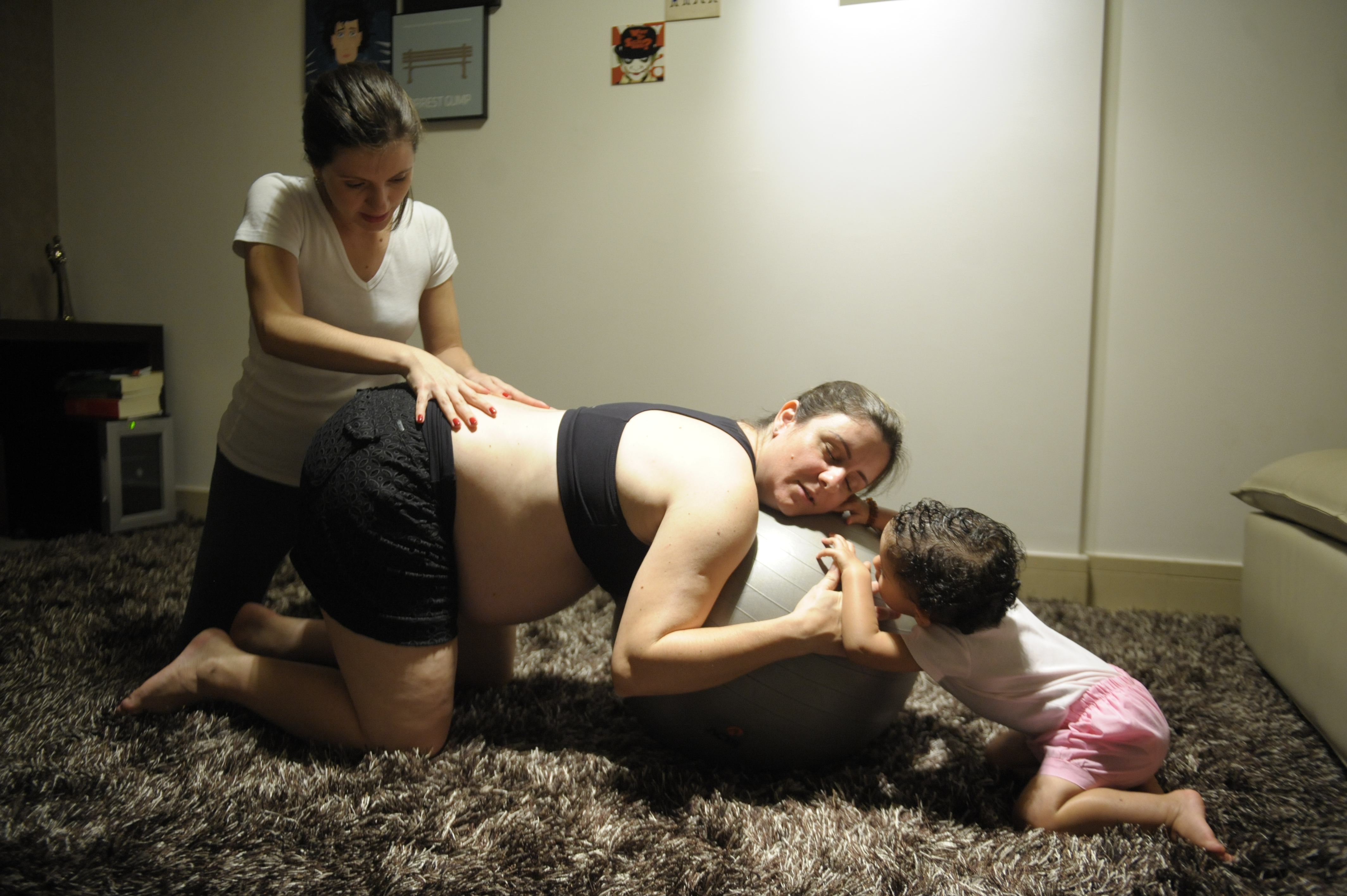
A postpartum doula's role is multifaceted. They provide hands-on assistance with newborn care, including feeding support (breastfeeding, bottle-feeding), diapering, bathing, and soothing techniques. They also support the birthing parent's recovery by offering emotional encouragement and listening without judgment. Practical help often includes light housekeeping, meal preparation, and running essential errands, freeing up parents to rest and bond with their baby. They also act as an information resource, offering evidence-based guidance on infant sleep, development, and parental self-care, while respecting the family's choices and parenting philosophies. Their presence aims to build parental confidence and reduce the stress associated with this significant life transition.
📊 Key Facts & Numbers
In some regions, like parts of Scandinavia, publicly funded postpartum support is more integrated into healthcare systems. However, in countries like the United States, the majority of postpartum doula services are privately funded. The demand for postpartum doula services is growing, indicating a substantial economic footprint. Approximately 15-20% of families in the US utilize private postpartum doula services, a number that has seen a steady increase over the past decade.
👥 Key People & Organizations
Key figures in the development and advocacy of postpartum doula support include Paula Stone Hammerschmidt and Deborah Donovan, who were instrumental in developing training and certification programs. Major organizations like DONA International, CAPPA, and ProDoula are central to the field, offering standardized training, certification, and professional development for doulas worldwide. These organizations collectively certify thousands of doulas annually, ensuring a baseline of knowledge and ethical practice. Advocacy groups also play a crucial role, working to integrate doula services into broader maternal healthcare systems and insurance coverage, aiming to make this support more accessible to a wider population.
🌍 Cultural Impact & Influence
Postpartum doula support has significantly influenced modern perceptions of postpartum care, shifting the focus from solely medical recovery to holistic family well-being. The widespread adoption of the 'fourth trimester' concept, popularized by doulas and childbirth educators, has helped normalize the extended adjustment period for new parents. Their emphasis on evidence-based practices, particularly in infant feeding and sleep safety, has contributed to a more informed approach to early parenting. Furthermore, the growing recognition of postpartum doulas as valuable members of the perinatal support team has encouraged more healthcare providers, including certified nurse-midwives and obstetricians, to refer families to their services. This cultural shift underscores a broader societal acknowledgment of the critical importance of robust, non-medical support during the postpartum period, impacting everything from maternal mental health initiatives to early childhood development programs.
⚡ Current State & Latest Developments
The current landscape of postpartum doula support is marked by increasing integration into mainstream maternal healthcare and a growing demand for culturally competent and specialized doulas. Many hospitals and birth centers are beginning to offer doula services, either directly or through partnerships, recognizing their role in improving patient satisfaction and potentially reducing readmission rates. The COVID-19 pandemic accelerated the adoption of virtual support models, with many doulas now offering online consultations and support groups, expanding accessibility beyond geographical limitations. There's also a heightened focus on addressing disparities in maternal care, with organizations actively working to train and support doulas serving marginalized communities, including Black mothers and low-income families. The ongoing push for insurance coverage for doula services continues to be a major development, aiming to make this essential support more equitable.
🤔 Controversies & Debates
A significant controversy surrounding postpartum doula support revolves around accessibility and affordability. As most services are privately paid, they remain out of reach for many families, particularly those in lower socioeconomic brackets or underserved communities, exacerbating existing maternal health disparities. Critics argue that the lack of universal insurance coverage perpetuates a system where essential support is a luxury rather than a right. Another debate centers on the scope of practice; while doulas are non-medical, the line between providing information and offering advice can sometimes blur, leading to concerns about potential overreach or the provision of information that conflicts with medical advice. Furthermore, the variability in training and certification standards across different organizations can lead to inconsistencies in the quality of care provided, prompting calls for more standardized, rigorous, and universally recognized credentialing processes.
🔮 Future Outlook & Predictions
The future of postpartum doula support appears poised for continued growth and integration, with a strong emphasis on expanding accessibility and formalizing professional standards. Projections suggest a significant increase in insurance coverage for doula services, driven by growing evidence of their positive impact on maternal and infant health outcomes, as well as advocacy efforts. We can anticipate a greater role for technology, with advanced virtual support platforms and AI-driven tools potentially augmenting in-person services, offering personalized guidance and monitoring. There's also a growing movement towards specialized doula support, catering to specific needs such as multiples, premature infants, or parents experiencing infant loss. The profession is likely to see further professionalization, with enhanced training requirements and a stronger push for licensure in some regions, solidifying its place as a
💡 Practical Applications
Postpartum doula support is a specialized form of non-medical assistance designed to aid families in the crucial period following childbirth, often referred to as the 'fourth trimester.' These professionals offer practical help, emotional encouragement, and evidence-based information to parents navigating the intense physical and emotional adjustments of new parenthood. Their services can range from infant care guidance, such as feeding support and safe sleep practices, to maternal recovery assistance, including meal preparation and light household tasks. Postpartum doulas aim to foster confidence and reduce stress, thereby enhancing the well-being of both parents and the newborn. While not medical providers, their presence can significantly impact maternal mental health outcomes and the overall family bonding experience, addressing a critical gap in traditional postpartum care.
Key Facts
- Category
- culture
- Type
- topic