
Contents
Overview
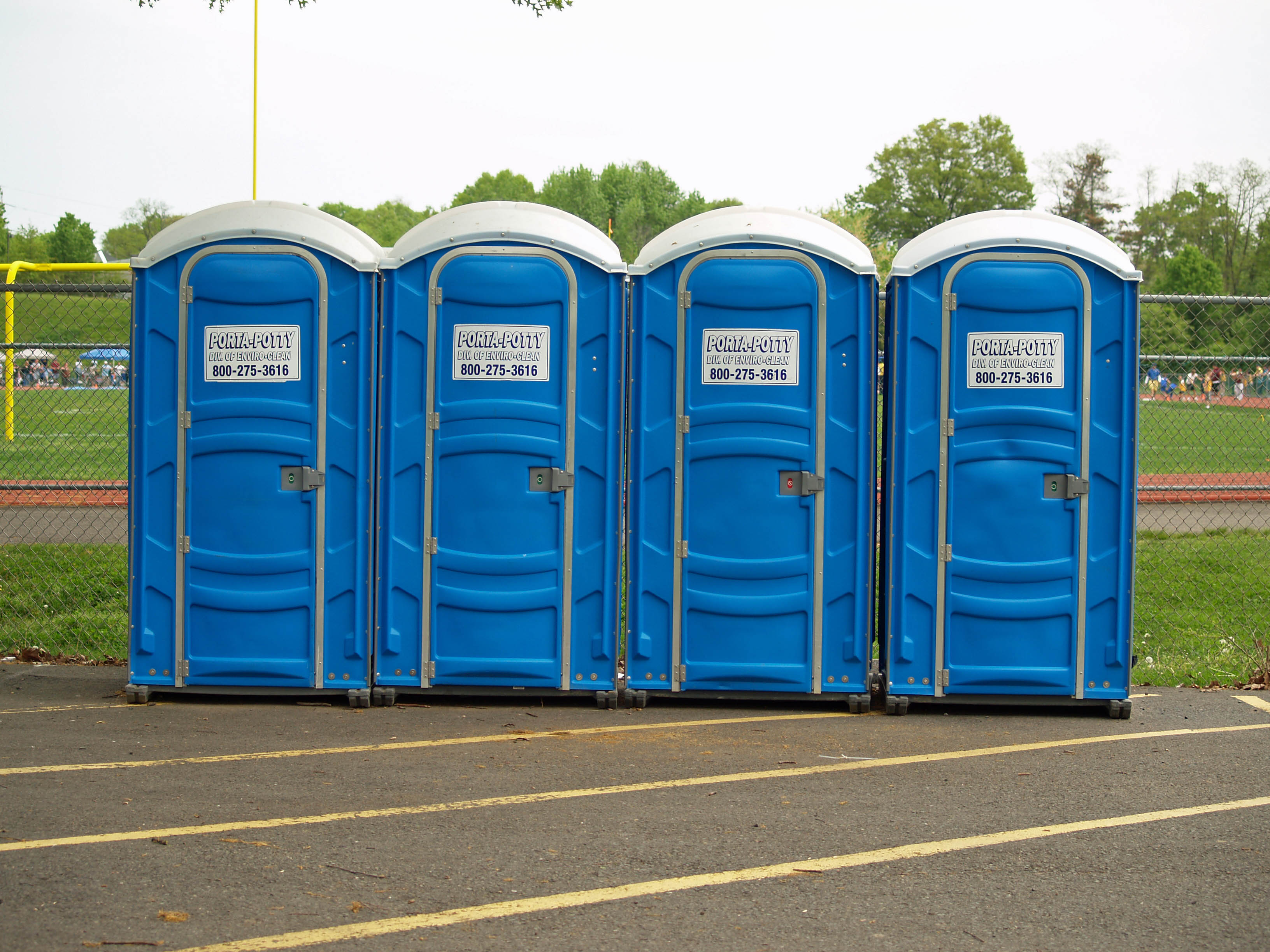
A port-a-potty, formally a portable chemical toilet, is a self-contained, movable sanitation unit designed to collect human waste without requiring connection to water supply, sewage lines, or septic systems. These units, typically constructed from molded plastic, feature a holding tank treated with deodorizing and sanitizing chemicals, most commonly formaldehyde or quaternary ammonium compounds. Their primary function is to provide temporary or emergency toilet facilities in locations lacking permanent infrastructure, such as construction sites, outdoor events, disaster relief zones, and remote areas. While often associated with the vibrant chaos of music festivals and the gritty reality of construction projects, the port-a-potty represents a critical piece of public health infrastructure, preventing the spread of disease and maintaining basic hygiene standards in diverse environments. The global market for portable toilets is substantial, with millions of units deployed annually, highlighting their widespread necessity and economic impact.
🎵 Origins & History
The genesis of the modern port-a-potty can be traced back to the demands of World War II. These early units were constructed from wood and metal, offering a basic but functional solution. The concept evolved significantly in the post-war era. Companies like PolyJohn Corporation and The T-Tent Company became pioneers in this new era, introducing the lightweight, durable, and easily transportable plastic units that define the modern port-a-potty.
⚙️ How It Works
At its core, a port-a-potty operates on a chemical system. The unit consists of a sturdy, often brightly colored, plastic enclosure housing a seat and a foot-pump or hand-pump mechanism. Beneath the seat lies a holding tank. This tank is pre-charged with a proprietary chemical mixture, usually a blue liquid containing biocides, disinfectants, and deodorizers. Common active ingredients include formaldehyde, glutaraldehyde, or quaternary ammonium compounds, which work to break down solid waste, neutralize odors, and inhibit bacterial growth. When waste is deposited, it falls directly into this chemical solution. Flushing is achieved by pumping a small amount of clean water from a separate, smaller tank, or sometimes by using a separate spray of the chemical solution itself. Regular servicing involves a specialized truck pumping out the waste, cleaning the tank, and replenishing the chemical solution and toilet paper.
📊 Key Facts & Numbers
The port-a-potty industry is a significant global enterprise. The average rental cost for a standard unit can range from $100 to $300 per month, with premium units like hand-washing stations or ADA-compliant accessible units costing considerably more. Globally, the portable toilet market was valued at approximately $13.5 billion in 2022 and is projected to grow to over $20 billion by 2030, driven by increasing urbanization, large-scale event hosting, and infrastructure development in emerging economies. A single servicing truck can typically empty and service between 20 to 50 units per day, depending on distance and site conditions. The average lifespan of a standard plastic port-a-potty is estimated to be between 10 to 15 years with proper maintenance.
👥 Key People & Organizations
Several key individuals and organizations have shaped the port-a-potty industry. Charles Haury and William Mazzetti are recognized as key figures in the development of the modern plastic portable toilet through their work with The T-Tent Company in the 1960s. PolyJohn Corporation, founded by Charles Haury and William Mazzetti after they left T-Tent, became a dominant force in manufacturing. Major service providers include Cintas Corporation, US Fence Rental, and Royal Restrooms, which operate vast fleets and provide essential maintenance. Industry associations like the Portable Sanitation Association International (PSAI) set standards and advocate for the sector.
🌍 Cultural Impact & Influence
The port-a-potty has transcended its utilitarian function to become a cultural icon, albeit often a humorous one. The port-a-potty's presence at music festivals like Coachella and Burning Man has cemented its association with counter-culture and large-scale public gatherings. Comedians and filmmakers frequently employ the port-a-potty as a source of slapstick humor, most notably in films like 'Dumb and Dumber' and 'Ace Ventura: Pet Detective'. The distinctive blue color and often pungent aroma are instantly recognizable. Beyond entertainment, its role in disaster relief highlights its critical function in maintaining public health and dignity during crises. The term 'port-a-potty' itself has become a widely understood colloquialism, superseding more formal designations.
⚡ Current State & Latest Developments
The port-a-potty industry is currently experiencing significant innovation, driven by environmental concerns and user experience demands. Manufacturers are increasingly focusing on waterless or low-water flushing systems to conserve resources. There's a growing trend towards 'luxury' portable restrooms, featuring amenities like running water sinks, air conditioning, heating, and even music systems, catering to upscale events and weddings. Companies are also exploring more sustainable chemical alternatives, moving away from formaldehyde-based solutions towards biodegradable and eco-friendly options. The integration of smart technology is also on the rise, with sensors being developed to monitor tank levels, usage, and maintenance needs, allowing for more efficient servicing schedules and proactive problem-solving. The COVID-19 pandemic also spurred demand for enhanced hygiene features, such as hands-free pumps and integrated sanitizing stations.
🤔 Controversies & Debates
Despite its widespread use, the port-a-potty is not without its controversies and criticisms. Odor control remains a perennial challenge, with inadequate servicing leading to unpleasant and unsanitary conditions, particularly in hot weather or at densely populated events. The environmental impact of chemical treatments, particularly formaldehyde, has drawn scrutiny, with concerns about potential contamination of groundwater if tanks leak or are improperly disposed of. The accessibility of port-a-potties is another point of contention; while ADA-compliant units exist, they are often in short supply, more expensive, and may not be available at all smaller events or construction sites, limiting access for individuals with disabilities. Furthermore, the aesthetics of port-a-potties are frequently debated, with many finding them unsightly intrusions in otherwise scenic locations.
🔮 Future Outlook & Predictions
The future of the port-a-potty points towards greater sustainability, technological integration, and enhanced user comfort. Expect to see a continued shift towards biodegradable chemical treatments and advanced waste management systems that minimize environmental impact. The 'smart toilet' concept will likely expand, with units equipped with sensors that communicate real-time data on usage, fill levels, and maintenance requirements to service providers via mobile apps, optimizing logistics and reducing unnecessary trips. Innovations in material science may lead to even more durable, lightweight, and easily cleanable units. Furthermore, as global populations grow and climate change impacts infrastructure, the demand for reliable, rapidly deployable sanitation solutions like the port-a-potty will only increase, potentially driving further design evolution and integration with off-grid power and water systems.
💡 Practical Applications
Port-a-potties serve a critical role in a multitude of practical applications. They are indispensable on construction sites, providing essential sanitation for workers where permanent facilities are unavailable. At outdoor events—ranging from small community fairs to massive festivals like Glastonbury—they are a necessity for managing large crowds. They are deployed in disaster relief scenarios to provide immediate sanitation solutions in areas where infrastructure has been destroyed or overwhelmed. Temporary installati
Key Facts
- Category
- technology
- Type
- topic