
Contents
Overview
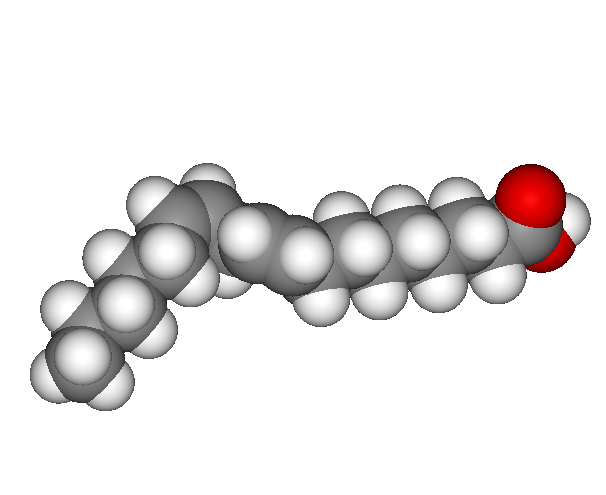
Polyunsaturated fats (PUFAs) are a class of fatty acids distinguished by having two or more carbon-carbon double bonds within their molecular chain. Sources range from fatty fish and flaxseeds to common vegetable oils like soybean and corn oil. Their chemical instability makes them prone to oxidation, leading to rancidity and the formation of potentially harmful compounds, a challenge that has driven innovation in food processing and supplementation.
🎵 Origins & History
Early work by Henrik Dam in the 1920s identified vitamin K and its role in blood clotting. Henrik Dam later won a Nobel Prize. The concept of 'essential fatty acids' was solidified in the 1930s by George Wald and George W. Lerner at Harvard University.
⚙️ How It Works
Polyunsaturated fats are typically liquid at room temperature (oils).
📊 Key Facts & Numbers
Rapeseed oil (canola) and sunflower oil are also significant contributors. Fatty fish, such as salmon and mackerel, are primary dietary sources of EPA and DHA.
👥 Key People & Organizations
The National Institutes of Health (NIH) and the World Health Organization (WHO) are major organizations that fund and disseminate research on PUFA requirements and health impacts. Food industry giants like Bunge and Cargill are major players in the production and processing of PUFA-rich oils. Research institutions such as the University of Minnesota's Nutrition Coordinating Center have been pivotal in studying dietary fat intake and its health consequences.
🌍 Cultural Impact & Influence
The culinary world has embraced PUFA-rich oils for their versatility in cooking and salad dressings, contributing to the global popularity of Mediterranean and Asian diets, which are traditionally higher in these fats. Conversely, the association of PUFAs with rancidity has also driven demand for more stable fats and innovative preservation techniques in the food industry, influencing packaging and product development across the board.
⚡ Current State & Latest Developments
The development of algae-based EPA and DHA supplements is gaining traction as a sustainable alternative to fish oil, addressing concerns about overfishing and mercury contamination. Food technologists are exploring novel encapsulation methods to improve the stability of PUFAs in processed foods, extending shelf life and reducing the formation of oxidation products.
🤔 Controversies & Debates
The susceptibility of PUFAs to oxidation means that poorly processed or stored oils can become detrimental.
🔮 Future Outlook & Predictions
Advances in genetic modification of oilseed crops aim to increase the proportion of monounsaturated fats while maintaining beneficial PUFAs.
💡 Practical Applications
Polyunsaturated fats are widely applied in the food industry as cooking oils, salad dressings, and ingredients in baked goods and margarines. They are crucial in infant formulas, providing essential fatty acids for brain and eye development. In the pharmaceutical and nutraceutical sectors, concentrated omega-3 supplements are marketed for cardiovascular health, cognitive function, and anti-inflammatory benefits. The industrial applications of PUFAs include their use in linseed oil-based paints and varnishes, where their ability to polymerize upon exposure to air (drying) is exploited. Research also explores their potential in biodegradable plastics and biofuels.
Key Facts
- Category
- science
- Type
- concept