
Contents
Overview
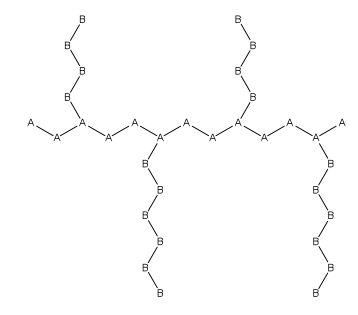
Polymer synthesis methods encompass a broad range of techniques used to create polymeric materials with specific properties. These methods include bulk polymerization, solution polymerization, emulsion polymerization, and graft polymerization, among others. The choice of synthesis method depends on the desired properties of the final product, such as molecular weight, tacticity, and branching. For instance, graft polymerization is used to create segmented copolymers with a linear backbone and randomly distributed branches, as seen in high impact polystyrene, which consists of a polystyrene backbone with polybutadiene grafted chains. With the advancement of polymer science, new synthesis methods are being developed, enabling the creation of complex polymeric materials with unique properties. The field of polymer synthesis has a significant impact on various industries. According to some sources, the use of renewable energy sources and biodegradable polymers is becoming increasingly important.
🎵 Origins & History
Polymer synthesis methods involve the combination of monomers to form a polymer chain. The choice of synthesis method depends on the desired properties of the final product, such as molecular weight, tacticity, and branching. For instance, graft polymerization is used to create segmented copolymers with a linear backbone and randomly distributed branches, as seen in high impact polystyrene, which consists of a polystyrene backbone with polybutadiene grafted chains. The synthesis process typically involves the initiation of polymerization, followed by propagation and termination. The use of catalysts can enhance the efficiency and selectivity of the synthesis process.
⚙️ How It Works
The use of renewable energy sources and biodegradable polymers is becoming increasingly important. Companies are reportedly investing in the development of sustainable polymer synthesis methods, with a focus on the use of renewable energy sources and biodegradable polymers.
📊 Key Facts & Numbers
The current state of polymer synthesis is characterized by the development of new synthesis methods, such as click chemistry and atom transfer radical polymerization (ATRP). The use of machine learning and artificial intelligence is becoming increasingly important in the development of new polymer synthesis methods.
👥 Key People & Organizations
The future of polymer synthesis is expected to be characterized by the development of new synthesis methods. The use of machine learning and artificial intelligence is expected to play a crucial role in the development of new polymer synthesis methods.
🌍 Cultural Impact & Influence
The development of polymer synthesis methods has reportedly had a significant impact on various industries. The influence of polymer synthesis can be seen in the creation of a wide range of products, from packaging materials to medical implants.
⚡ Current State & Latest Developments
The use of polymeric materials has raised concerns about the environmental impact of plastic waste. Others argue that the development of sustainable polymer synthesis methods is not happening quickly enough. The development of new polymer synthesis methods has raised concerns about the potential health and environmental impacts of these methods.
🤔 Controversies & Debates
The future of polymer synthesis is expected to be characterized by the development of new synthesis methods. Companies are reportedly expected to continue investing in the development of sustainable polymer synthesis methods, with a focus on the use of renewable energy sources and biodegradable polymers.
Key Facts
- Category
- science
- Type
- topic