
Contents
Overview
The roots of poetry performances stretch back to humanity's earliest forms of storytelling and ritual. Ancient Greek bards recited epic poems like Homer's Iliad and Odyssey to rapt audiences, often accompanied by lyres. In ancient Rome, poets like Virgil and Horace would perform their works, a practice that continued through the medieval period with troubadours and oral epics. The Renaissance saw a resurgence of dramatic poetry, with playwrights like William Shakespeare crafting verses intended for stage performance. The 20th century witnessed the emergence of distinct performance poetry movements, from the Beat Generation's spontaneous readings in Greenwich Village cafes to the rise of political spoken word in the Civil Rights era. The establishment of poetry slam created a competitive yet community-driven platform that spread globally.
⚙️ How It Works
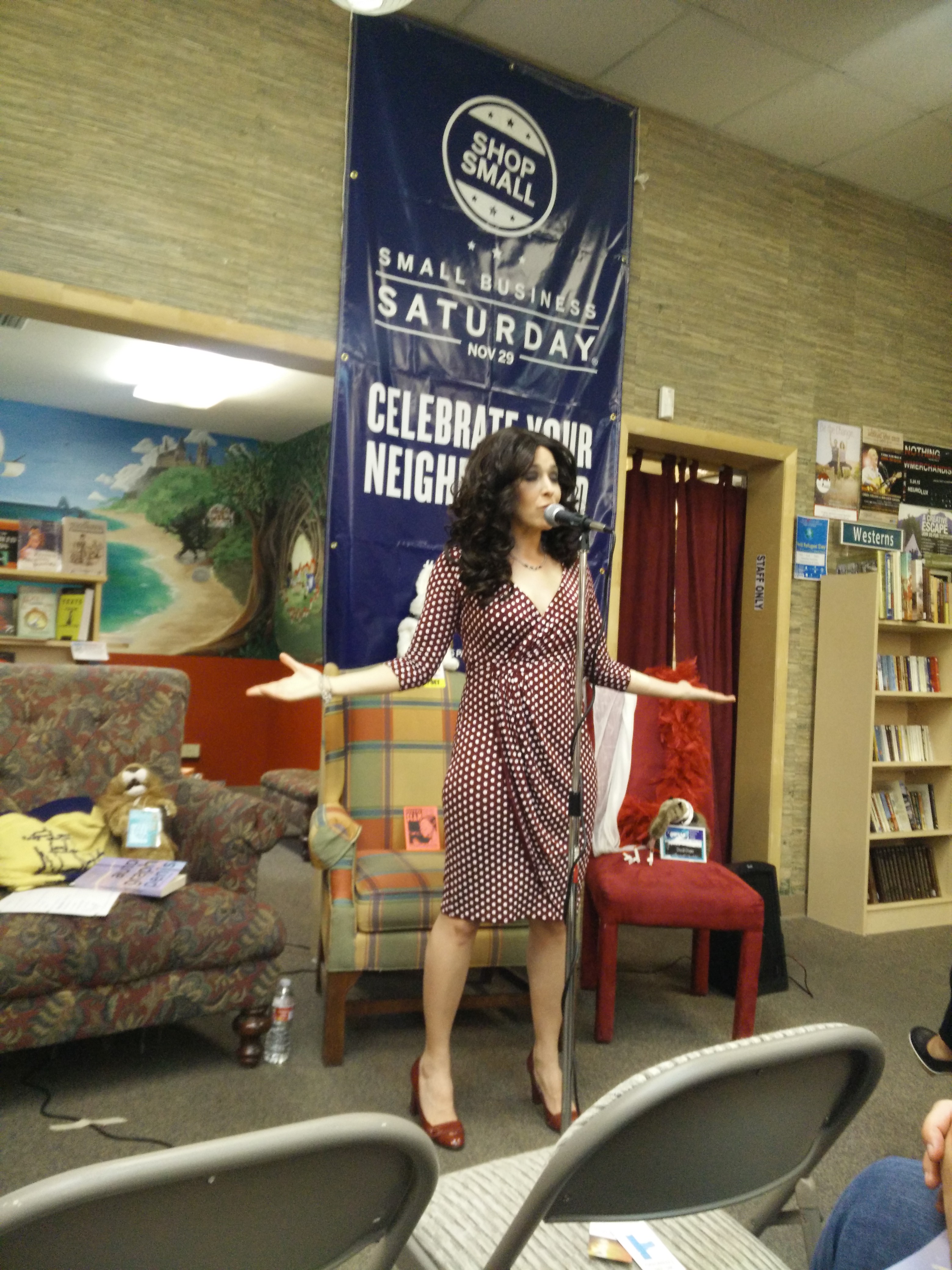
A poetry performance is a multi-sensory experience where the poet acts as both author and interpreter. The 'how' involves translating the written word into a live presentation, emphasizing rhythm, cadence, and emotional delivery. This can range from a quiet, introspective reading to an impassioned, theatrical declamation. Key elements include vocal modulation—changes in pitch, volume, and speed—to convey mood and emphasis, and physical expression, such as gestures, facial expressions, and movement, to enhance the narrative or emotional arc. The relationship with the audience is crucial; performers often gauge and respond to audience reactions, creating a unique, unrepeatable moment. Unlike a silent reading, a performance imbues the text with the poet's personal energy and interpretation, making each rendition distinct. The use of props, costumes, or multimedia elements can further augment the performance, though many purists favor a minimalist approach focusing solely on the voice and body.
📊 Key Facts & Numbers
The global reach of poetry performances is staggering, though difficult to quantify precisely. Online platforms host billions of views for spoken word videos; Button Poetry on YouTube has garnered hundreds of millions of views. Major literary festivals, such as the Edinburgh Festival Fringe, feature thousands of poetry-related events each year. Open mic nights, a staple of local poetry scenes, occur in thousands of venues globally every week.
👥 Key People & Organizations
Numerous individuals and organizations have shaped the landscape of poetry performances. The Poetry Foundation in Chicago, a major non-profit organization, supports poetry through various initiatives, including online resources and events. Button Poetry has become a dominant force in digital spoken word, producing viral videos and publishing collections. Organizations like Poetry Slam Inc. (PSI) and the National Poetry Slam sanction competitions and foster community. Iconic poets who have significantly impacted performance include Langston Hughes, whose jazz-infused poems were meant to be heard, and contemporary artists like Sarah Kay and Phil Kaye, founders of Project VOICE, who have toured extensively and gained massive online followings. The Beat Generation poets, including Lawrence Ferlinghetti and Gregory Corso, were pioneers in public readings.
🌍 Cultural Impact & Influence
Poetry performances have profoundly influenced culture, literature, and social discourse. They have revitalized interest in poetry among younger generations, often bridging the gap between academic poetry and popular appeal. Spoken word has become a powerful tool for social and political commentary, giving voice to marginalized communities and addressing issues of race, gender, identity, and justice, as seen in the work of poets like Nikki Giovanni and Jamila Lyiscott. The aesthetic of performance poetry has seeped into other art forms, including music, theater, and film, influencing lyrical styles and narrative structures. Furthermore, the rise of online platforms has democratized access, allowing poets to bypass traditional gatekeepers and build direct relationships with global audiences, fostering a more diverse and accessible literary ecosystem. The emphasis on authenticity and personal narrative in performance poetry has also resonated widely, encouraging vulnerability and connection.
⚡ Current State & Latest Developments
The current landscape of poetry performances is vibrant and rapidly evolving, largely driven by digital platforms and a renewed emphasis on community. While traditional slams and open mic nights continue to thrive in physical spaces, online venues have exploded in popularity, especially since the COVID-19 pandemic. Platforms like TikTok and Instagram Reels have become fertile ground for short-form spoken word, allowing poets to reach vast audiences instantly. Poetry Slam Inc. is adapting, offering hybrid or fully online events. There's a growing trend towards thematic performances and collaborative projects, moving beyond individual recitations. Furthermore, the commercialization of performance poetry is increasing, with more poets securing book deals, touring extensively, and leveraging social media for income, blurring the lines between artistic expression and entrepreneurial ventures. The integration of technology, such as augmented reality or interactive elements in live shows, is also an emerging frontier.
🤔 Controversies & Debates
Poetry performances are not without their controversies and debates. One persistent tension lies between the competitive nature of poetry slam and its artistic integrity. Critics argue that the scoring system can incentivize performative spectacle over substantive content, leading to poems designed to 'win' rather than to explore complex ideas. The question of 'authenticity' is also debated: what constitutes a 'real' performance poem, and is it distinct from theatrical recitation or dramatic monologue? There are ongoing discussions about appropriation, particularly when poets from dominant cultures perform work that draws heavily from the experiences of marginalized groups without proper attribution or understanding. Furthermore, the commercialization of spoken word raises concerns about commodifying personal narratives and potentially exploiting vulnerable artists. The accessibility of performance spaces, both physically and culturally, remains a point of contention, with debates about who gets a platform and who is excluded.
🔮 Future Outlook & Predictions
The future of poetry performances appears increasingly intertwined with digital innovation and a continued emphasis on accessibility and community building. We can expect further integration of technology, with virtual reality performances offering immersive experiences and AI-generated poetry potentially influencing creative processes, though this raises questions about authorship and originality. The trend of poets building direct audiences via social media will likely intensify, potentially leading to new models of patronage and distribution that bypass traditional publishing. There's also a growing interest in interdisciplinary collaborations, blending poetry with music, dance, visual arts, and even scientific research, creating novel forms of expression. As global connectivity increases, so too will the cross-pollination of
💡 Practical Applications
Poetry performances can be seen as a practical application of communication and emotional expression. They serve as a powerful tool for public speaking training, enhancing confidence and articulation. In educational settings, performance poetry can make literature more accessible and engaging for students, fostering a deeper understanding and appreciation of language. It also plays a role in community building, providing platforms for shared experiences and dialogue, particularly in marginalized communities. Therapists and counselors may utilize elements of spoken word to help individuals process emotions and experiences. Furthermore, performance poetry can be employed in activism and advocacy, serving as a potent medium for raising awareness and mobilizing support for social causes.
Key Facts
- Category
- culture
- Type
- topic