
Contents
- 🌴 Origins & History
- 🏖️ How It Works
- 📊 Key Facts & Numbers
- 👥 Key People & Organizations
- 🌍 Cultural Impact & Influence
- ⚡ Current State & Latest Developments
- 🤔 Controversies & Debates
- 🔮 Future Outlook & Predictions
- 💡 Practical Applications
- 📚 Related Topics & Deeper Reading
- Frequently Asked Questions
- References
- Related Topics
Overview
The study of pocket beaches has evolved significantly, with advancements in coastal engineering, geology, and ecology. Today, pocket beaches are recognized as unique and fragile ecosystems that require careful management and preservation. For example, the National Oceanic and Atmospheric Administration (NOAA) has launched initiatives to protect and restore pocket beaches along the US coastline.
🏖️ How It Works
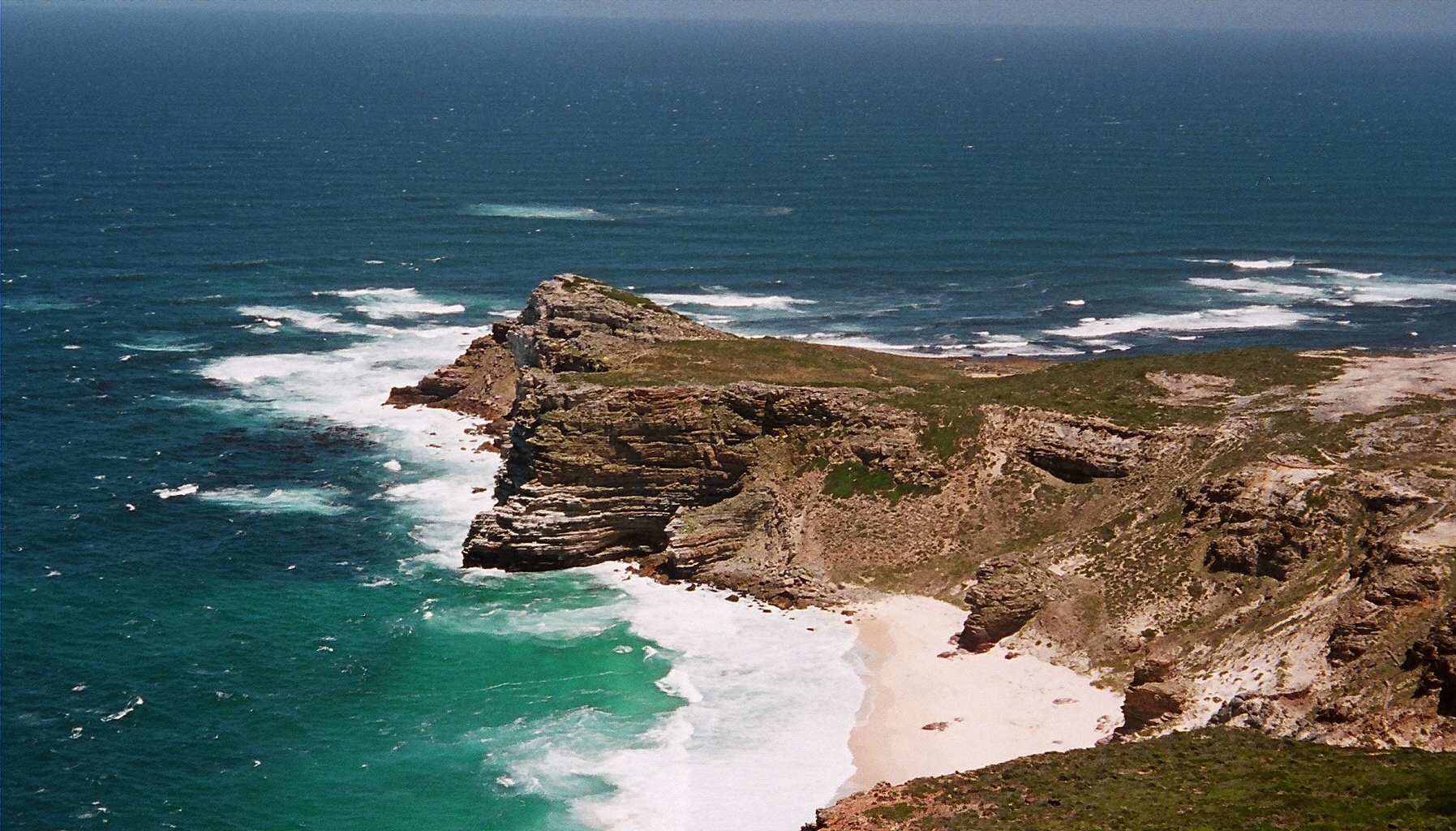
The formation of pocket beaches is a complex process that involves the interaction of geological, oceanographic, and ecological factors. Pocket beaches can be formed through a variety of mechanisms, including the erosion of headlands, the accumulation of sediment, and the construction of artificial barriers. The University of California, Berkeley has conducted research on the formation of pocket beaches in California, highlighting the importance of understanding coastal dynamics in the region.
📊 Key Facts & Numbers
Some key facts about pocket beaches include their isolation from adjacent shorelines. Pocket beaches can be found in a variety of settings, including rocky coastlines, sandy beaches, and estuaries. The Journal of Coastal Research is a publication that has featured studies on pocket beaches.
👥 Key People & Organizations
Several key organizations have contributed to the study and management of pocket beaches. These include the US Army Corps of Engineers and the National Oceanic and Atmospheric Administration (NOAA).
🌍 Cultural Impact & Influence
Pocket beaches have had a significant cultural impact, particularly in the context of coastal tourism and recreation. However, the development of pocket beaches has also raised concerns about the impact of human activities on these fragile ecosystems. The World Wildlife Fund has launched initiatives to protect pocket beaches and their inhabitants from the effects of coastal development and climate change.
⚡ Current State & Latest Developments
As of 2022, the current state of pocket beaches is a subject of ongoing research and debate. Efforts are being made to protect and restore pocket beaches, including the construction of artificial barriers, the implementation of coastal management plans, and the promotion of sustainable tourism practices. The United Nations Environment Programme has launched initiatives to support the conservation of pocket beaches and their ecosystems. The European Union has also launched initiatives to support the conservation of pocket beaches and their ecosystems.
🤔 Controversies & Debates
There are controversies and debates surrounding pocket beaches, including the impact of human activities on these ecosystems and the effectiveness of coastal management strategies.
🔮 Future Outlook & Predictions
Looking to the future, pocket beaches are likely to continue to play an important role in coastal ecosystems and human societies. With careful management and conservation efforts, it is possible to protect and restore these unique and fragile ecosystems for future generations.
💡 Practical Applications
Practical applications of pocket beaches include their use as recreational areas and their role in supporting biodiversity.
Key Facts
- Year
- 2022
- Origin
- Global
- Category
- nature
- Type
- concept
Frequently Asked Questions
What is a pocket beach?
A pocket beach is an isolated beach that can be natural or artificial.
Where are pocket beaches found?
Pocket beaches can be found in a variety of settings, including rocky coastlines, sandy beaches, and estuaries.