
Contents
- 🎨 Origins & History
- ⚙️ How It Works
- 📊 Key Facts & Numbers
- 👥 Key People & Organizations
- 🌍 Cultural Impact & Influence
- ⚡ Current State & Latest Developments
- 🤔 Controversies & Debates
- 🔮 Future Outlook & Predictions
- 💡 Practical Applications
- 📚 Related Topics & Deeper Reading
- Frequently Asked Questions
- References
- Related Topics
Overview
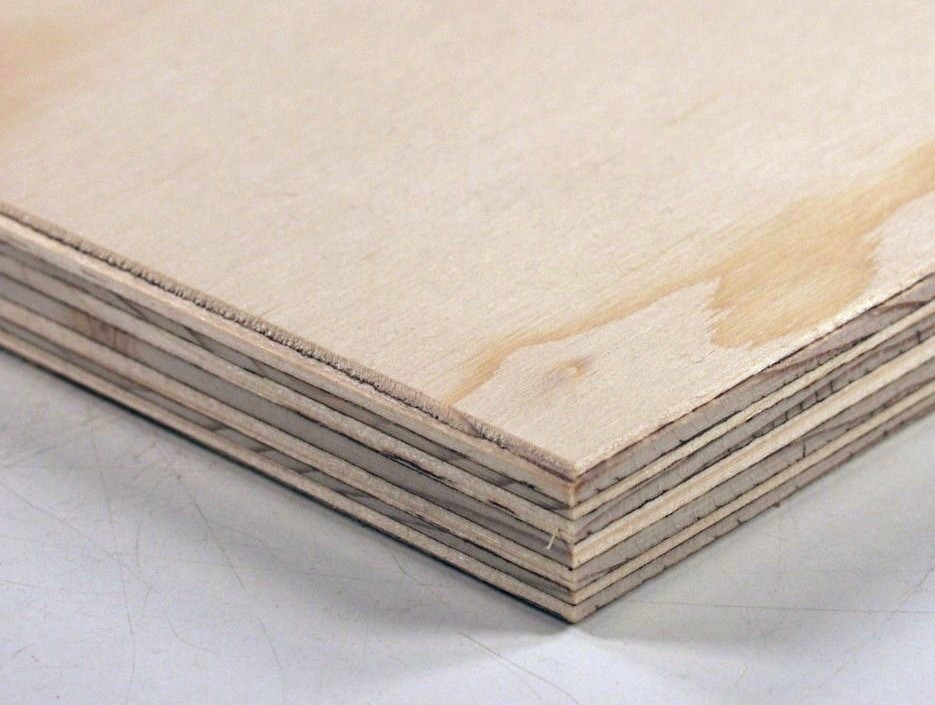
Plywood furniture is a type of furniture made from plywood, a composite material manufactured from thin layers of wood veneer. With its unique cross-graining technique, plywood offers improved dimensional stability, reduced splitting, and consistent strength. From mid-century modern designs to contemporary eco-friendly pieces, plywood furniture has become a staple in homes and offices worldwide. The use of plywood in furniture making has been influenced by designers such as Charles Eames and Eero Saarinen, who experimented with the material in the 1950s. Today, companies like IKEA and West Elm offer a wide range of plywood furniture options, from affordable and functional pieces to high-end designer items. As consumers become increasingly environmentally conscious, the demand for sustainable and eco-friendly furniture is on the rise, with plywood being a popular choice due to its durability and recyclability. With the global furniture market projected to reach $650 billion by 2025, plywood furniture is poised to play a significant role in shaping the future of home decor and sustainability.
🎨 Origins & History
Plywood furniture has its roots in the early 20th century, when plywood was first introduced as a durable and affordable alternative to solid wood. Designers like Le Corbusier and Mies van der Rohe experimented with plywood in their designs, paving the way for the development of modern plywood furniture. The 1950s and 1960s saw a surge in popularity of plywood furniture, with designers like Charles Eames and Eero Saarinen creating iconic pieces that are still celebrated today. Companies like Herman Miller and Knoll have been instrumental in promoting plywood furniture, with their designs often featuring in museums and design collections around the world.
⚙️ How It Works
The manufacturing process of plywood furniture involves several key steps, including the creation of the plywood itself, which is made by stacking and gluing together thin layers of wood veneer. The cross-graining technique used in plywood production provides improved dimensional stability and reduced splitting, making it an ideal material for furniture making. Companies like IKEA and West Elm use advanced manufacturing techniques, such as computer-aided design and CNC machining, to produce high-quality plywood furniture at affordable prices. The use of plywood in furniture making has also been influenced by technological advancements, such as the development of new adhesives and finishing techniques.
📊 Key Facts & Numbers
The use of plywood in furniture making has several key benefits, including its durability, affordability, and sustainability. According to a study by the US Forest Service, plywood is a highly durable material, with a lifespan of up to 50 years or more. The global plywood market is projected to reach $70 billion by 2025, with the furniture industry being a major driver of demand. Companies like IKEA and Home Depot offer a wide range of plywood furniture options, from affordable and functional pieces to high-end designer items. The use of plywood in furniture making has also been influenced by environmental concerns, with many consumers opting for sustainable and eco-friendly furniture options.
👥 Key People & Organizations
Key people and organizations in the plywood furniture industry include designers like Charles Eames and Eero Saarinen, who have been instrumental in promoting the use of plywood in furniture making. Companies like Herman Miller and Knoll have been at the forefront of plywood furniture design and manufacturing, with their products often featuring in museums and design collections around the world. Organizations like the US Forest Service and the International Organization for Standardization play a crucial role in promoting sustainable forestry practices and setting standards for plywood production.
🌍 Cultural Impact & Influence
Plywood furniture has had a significant cultural impact, with its use in mid-century modern designs and contemporary eco-friendly pieces. The material has been celebrated for its durability, affordability, and sustainability, making it a popular choice for homeowners and designers alike. The use of plywood in furniture making has also been influenced by technological advancements, such as the development of new adhesives and finishing techniques. Companies like IKEA and West Elm have been instrumental in promoting plywood furniture, with their designs often featuring in home decor and design publications around the world.
⚡ Current State & Latest Developments
The current state of the plywood furniture industry is one of growth and innovation, with companies like IKEA and West Elm offering a wide range of plywood furniture options. The use of plywood in furniture making has been influenced by environmental concerns, with many consumers opting for sustainable and eco-friendly furniture options. According to a report by Grand View Research, the global plywood market is projected to reach $70 billion by 2025, with the furniture industry being a major driver of demand. The rise of online furniture retailers like Wayfair and Couchsurfing has also changed the way people shop for furniture, with many consumers opting for affordable and functional plywood pieces.
🤔 Controversies & Debates
Despite its many benefits, plywood furniture has been the subject of controversy and debate, with some critics arguing that it is not as durable as solid wood furniture. However, according to a study by the US Forest Service, plywood is a highly durable material, with a lifespan of up to 50 years or more. The use of plywood in furniture making has also been influenced by environmental concerns, with many consumers opting for sustainable and eco-friendly furniture options. Companies like IKEA and West Elm have been instrumental in promoting plywood furniture, with their designs often featuring in home decor and design publications around the world.
🔮 Future Outlook & Predictions
The future outlook for plywood furniture is one of growth and innovation, with companies like IKEA and West Elm offering a wide range of plywood furniture options. The use of plywood in furniture making has been influenced by technological advancements, such as the development of new adhesives and finishing techniques. According to a report by Grand View Research, the global plywood market is projected to reach $70 billion by 2025, with the furniture industry being a major driver of demand. The rise of online furniture retailers like Wayfair and Couchsurfing has also changed the way people shop for furniture, with many consumers opting for affordable and functional plywood pieces.
💡 Practical Applications
Plywood furniture has a wide range of practical applications, from affordable and functional pieces to high-end designer items. Companies like IKEA and West Elm offer a wide range of plywood furniture options, including desks, chairs, and shelving units. The use of plywood in furniture making has also been influenced by environmental concerns, with many consumers opting for sustainable and eco-friendly furniture options. According to a study by the US Forest Service, plywood is a highly durable material, with a lifespan of up to 50 years or more.
Key Facts
- Year
- 2020
- Origin
- Global
- Category
- culture
- Type
- concept
Frequently Asked Questions
What is plywood furniture?
What are the benefits of plywood furniture?
The benefits of plywood furniture include its durability, affordability, and sustainability. According to a study by the US Forest Service, plywood is a highly durable material, with a lifespan of up to 50 years or more. The use of plywood in furniture making has also been influenced by environmental concerns, with many consumers opting for sustainable and eco-friendly furniture options.
What are the drawbacks of plywood furniture?
How is plywood furniture made?
Plywood furniture is made by stacking and gluing together thin layers of wood veneer. The manufacturing process involves several key steps, including the creation of the plywood itself, which is made by stacking and gluing together thin layers of wood veneer. Companies like IKEA and West Elm use advanced manufacturing techniques, such as computer-aided design and CNC machining, to produce high-quality plywood furniture at affordable prices.
What are some examples of plywood furniture?
How can I care for my plywood furniture?
To care for your plywood furniture, avoid exposing it to excessive moisture or direct sunlight. Regularly dust and clean the surface with a soft cloth and mild soap. Avoid using harsh chemicals or abrasive cleaners, as they can damage the finish or delaminate the plywood.
Can I make my own plywood furniture?
Yes, you can make your own plywood furniture. However, it requires specialized tools and expertise. If you are not experienced in woodworking, it is recommended to seek the help of a professional or purchase pre-made plywood furniture from a reputable manufacturer.