
Contents
Overview
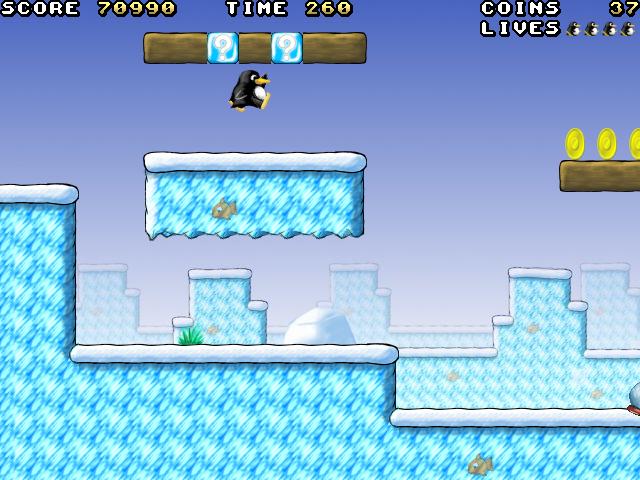
The platformer genre has its roots in the early 1980s, with games like Space Panic (1980) and Donkey Kong (1981) establishing the template for what were initially called 'climbing games'. These early games featured simple graphics and gameplay mechanics, but they laid the foundation for the genre's future success. As the genre evolved, games like Miner 2049er (1982) and Kangaroo (1982) introduced new mechanics, such as jumping and climbing, which became staples of the platformer genre. The introduction of isometric graphics in games like Congo Bongo (1983) added a new dimension to the genre, allowing for more complex level design and gameplay mechanics. Today, platformers continue to innovate, with games like Super Mario Odyssey and Celeste pushing the boundaries of gameplay and visuals.
⚙️ How It Works
Platformer games typically feature levels with uneven terrain and suspended platforms, requiring players to jump, climb, and perform other acrobatic maneuvers to progress. The genre has evolved to include various sub-genres, such as 3D platformers and puzzle-platformers, which offer unique gameplay experiences. For example, games like Portal and Braid feature complex puzzle mechanics, while games like Super Mario 64 and Banjo-Kazooie offer 3D platforming experiences. The genre has also incorporated various themes and settings, from fantasy worlds like The Legend of Zelda to futuristic sci-fi environments like Metroid.
📊 Key Facts & Numbers
The platformer genre has produced some of the most iconic characters in gaming, including Mario and Sonic the Hedgehog. These characters have become household names, with millions of fans worldwide. The genre has also spawned numerous franchises, including Donkey Kong and Crash Bandicoot.
👥 Key People & Organizations
Key people in the platformer genre include Shigeru Miyamoto, the creator of the Mario series. Other notable developers, such as Jonathan Blow and Dennis Veden, have also made significant contributions to the genre, creating innovative and critically acclaimed games like Braid and The Witness. According to some sources, Yuji Naka is reportedly a co-creator of the Sonic the Hedgehog series.
🌍 Cultural Impact & Influence
The platformer genre has had a significant impact on popular culture, with many games being adapted into films, TV shows, and other forms of media. The genre has also inspired numerous fan art, cosplay, and fan fiction, demonstrating its enduring appeal. According to some studies, playing platformer games can improve spatial reasoning and problem-solving skills in children. The University of California found that playing platformer games can improve spatial reasoning and problem-solving skills in children. Harvard University found that playing platformer games can improve cognitive flexibility and adaptability in adults.
⚡ Current State & Latest Developments
The current state of the platformer genre is one of innovation and experimentation, with many modern games incorporating new mechanics and gameplay elements. Games like Cuphead and Hollow Knight have received critical acclaim for their challenging gameplay and stunning visuals. The genre has also seen a resurgence of interest in classic platformers, with many retro games being re-released on modern consoles.
🤔 Controversies & Debates
The platformer genre has been the subject of numerous controversies and debates, including concerns over violence, addiction, and social isolation. Some critics have argued that platformer games are too focused on individual achievement, rather than social interaction and cooperation. Others have raised concerns about the genre's impact on children's cognitive development, citing studies that suggest excessive gaming can lead to attention deficits and decreased empathy. However, many experts argue that platformer games can have numerous cognitive benefits, such as improved spatial reasoning and problem-solving skills.
🔮 Future Outlook & Predictions
The future of the platformer genre is likely to be shaped by emerging technologies, such as virtual reality (VR) and augmented reality (AR). These technologies have the potential to revolutionize the genre, allowing for more immersive and interactive gameplay experiences. According to some reports, the VR and AR markets are expected to grow, although the exact rate of growth is uncertain.
💡 Practical Applications
Platformer games have numerous practical applications, including education, therapy, and social skills development. Many games, such as Minecraft and Roblox, have been used in educational settings to teach concepts like math, science, and programming. The genre has also been used in therapy, with games like Portal and The Witness being used to treat conditions like anxiety and depression. Playing platformer games can improve cognitive flexibility and adaptability in adults, making them a valuable tool for cognitive training and development.
Key Facts
- Category
- technology
- Type
- concept