
Contents
Overview
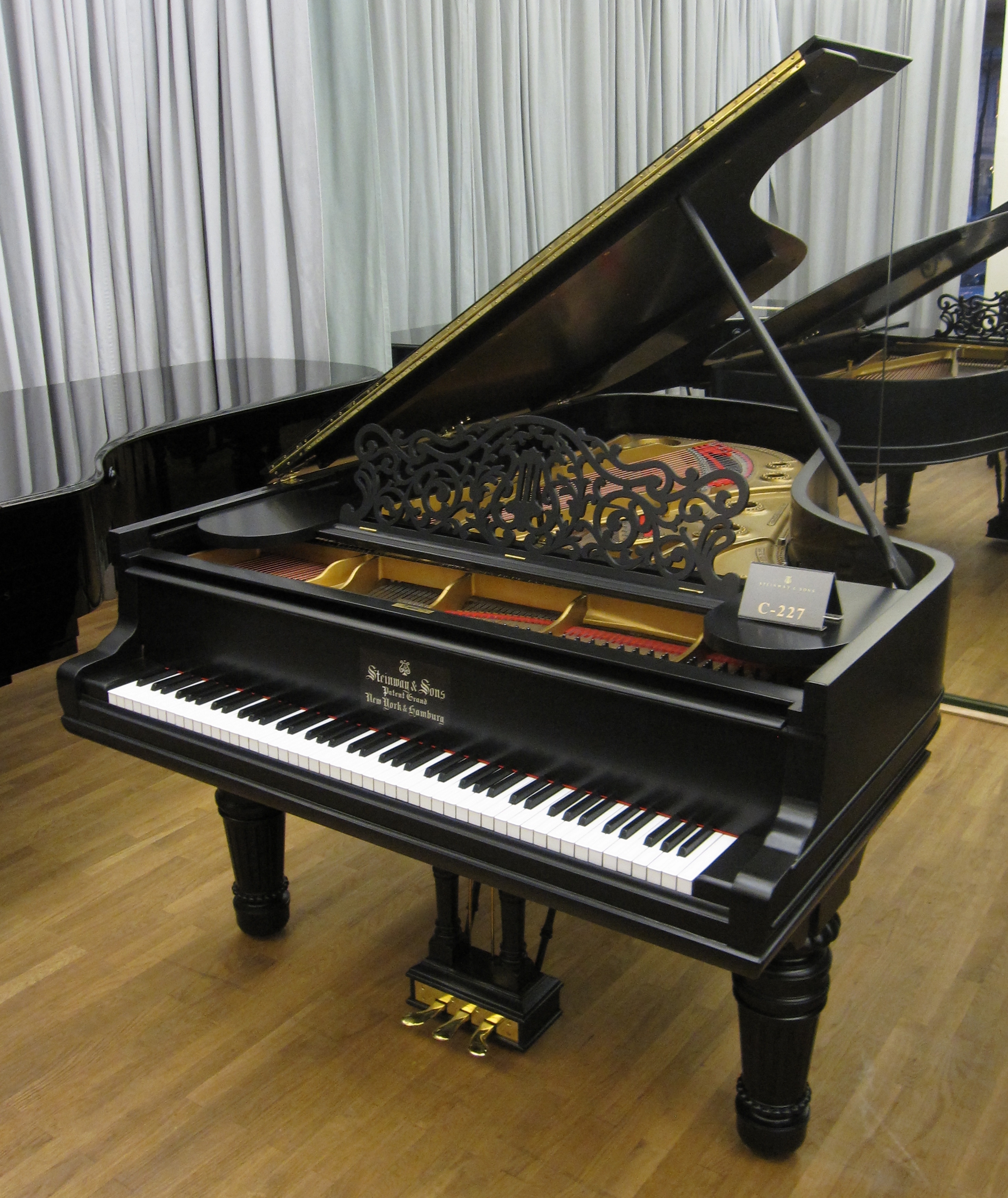
The piano, a cornerstone of Western music for centuries, exists in a diverse array of forms, each engineered for specific sonic qualities, spatial constraints, and performance contexts. Broadly categorized into grand and upright pianos, these instruments further subdivide based on size, action, and historical development. Grand pianos, characterized by their horizontal string orientation and exposed frame, range from the diminutive baby grand to the colossal concert grand, offering superior dynamic control and tonal richness. Upright pianos, conversely, feature vertically oriented strings and a more compact footprint, making them ubiquitous in homes, schools, and smaller venues. Beyond these primary divisions lie specialized variants like the digital piano, electric piano, and historical predecessors such as the harpsichord and clavichord, each contributing to the piano's enduring legacy and multifaceted presence in music.
🎵 Origins & History
His early instruments were known as 'gravicembalo col piano e forte'. Innovations by figures like Gottfried Silbermann, Johann Andreas Stein, and Sébastien Érard refined the action, hammer mechanism, and frame construction, leading to the standardized 88-key layout and robust cast-iron frame that define today's pianos.
⚙️ How It Works: The Piano Action
At the heart of every piano lies its intricate action, a complex mechanical system that translates a pianist's touch into sound. As the key is pressed, the damper lifts off the strings, allowing them to vibrate. Releasing the key causes the damper to fall back, silencing the note. The precise engineering of this action dictates the piano's responsiveness, touch, and tonal control, differentiating the nuanced feel of a grand piano from the more direct action of an upright.
📊 Key Facts & Numbers
The modern piano spans over seven octaves. Yamaha and Kawai are dominant manufacturers in the global piano market.
👥 Key People & Organizations
While Bartolomeo Cristofori is the acknowledged inventor, numerous individuals and companies have shaped the piano's evolution. Key figures include Gottfried Silbermann, whose work influenced German piano building. The Pianoforte-Museum in Berlin showcases the historical development and diverse forms of the instrument.
🌍 Cultural Impact & Influence
The piano's impact on music and culture is immeasurable. The piano became the quintessential instrument for classical composers.
Key Facts
- Category
- aesthetics
- Type
- topic