
Contents
- 🎵 Origins & History
- ⚙️ How It Works
- 📊 Key Facts & Numbers
- 👥 Key People & Organizations
- 🌍 Cultural Impact & Influence
- ⚡ Current State & Latest Developments
- 🤔 Controversies & Debates
- 🔮 Future Outlook & Predictions
- 💡 Practical Applications
- 📚 Related Topics & Deeper Reading
- Frequently Asked Questions
- Related Topics
Overview
Central to physical education (PE) is the cultivation of gross motor skills, which involve large muscle groups and are essential for everyday activities and sports. These skills are developed through structured activities and play. Research indicates that children who participate in regular physical education demonstrate improved physical fitness, better academic performance, and enhanced social skills. As schools increasingly recognize the importance of physical activity, PE programs are evolving to incorporate technology and innovative teaching methods, ensuring that students not only learn the mechanics of movement but also appreciate the joy of being active. The future of physical education hinges on addressing disparities in access and adapting to the needs of diverse populations.
🎵 Origins & History
The roots of physical education can be traced back to ancient civilizations, where physical training was integral to military preparedness and overall health. In the 19th century, figures like Friedrich Ludwig Jahn in Germany and Thomas Arnold in England began formalizing PE as part of the school curriculum, emphasizing the importance of physical fitness for youth. By the early 20th century, organizations such as the American Alliance for Health, Physical Education, Recreation and Dance (AAHPERD) were established to promote standards and practices in PE. The inclusion of gross motor skill development in PE programs became a cornerstone for fostering lifelong physical activity habits.
⚙️ How It Works
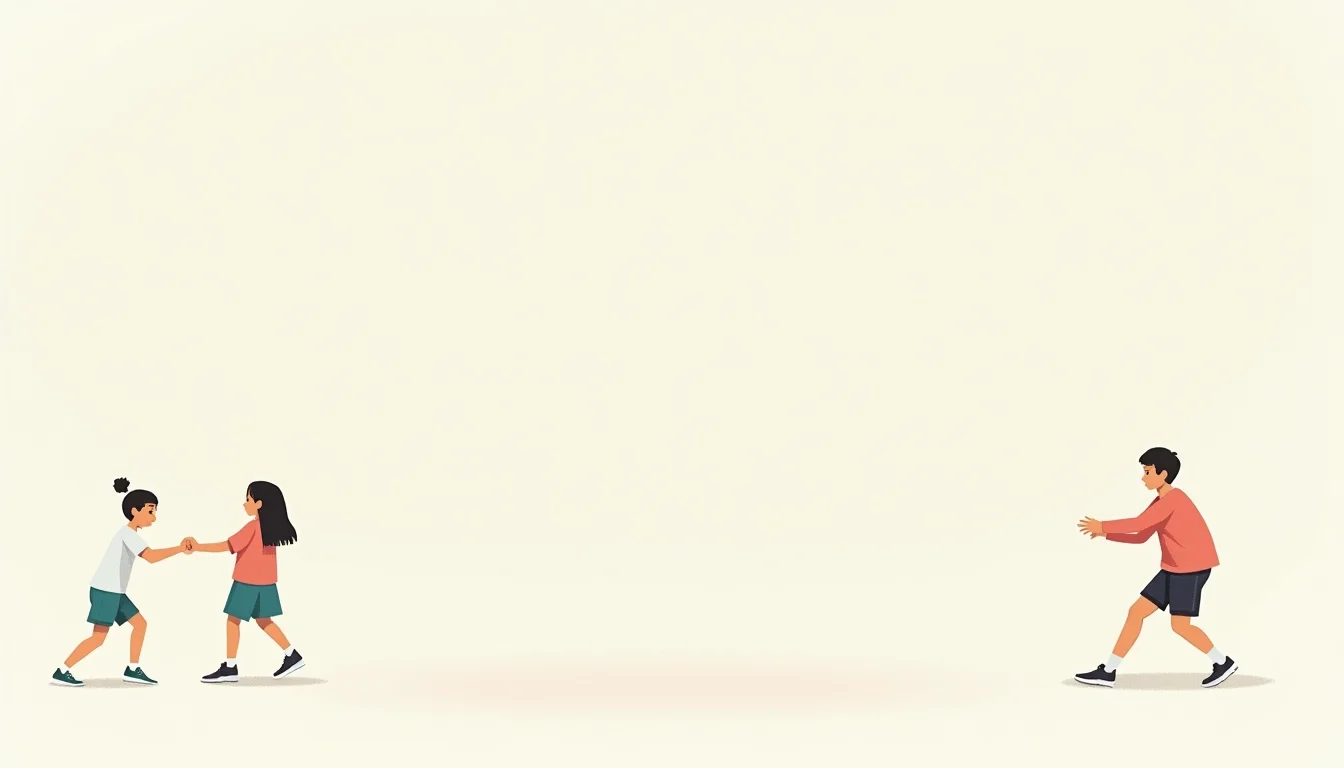
Physical education programs utilize a variety of activities designed to enhance gross motor skills, which include movements that engage large muscle groups. These activities range from structured sports, such as soccer and basketball, to playful exercises like tag and obstacle courses. The development of gross motor skills is critical for children, as it lays the foundation for more complex movements and sports. For instance, skills such as jumping and running are practiced through games, while throwing and catching are refined in team sports. The effectiveness of these programs is often measured through assessments that evaluate students' physical competencies, reflecting their progress in motor skills development.
📊 Key Facts & Numbers
Statistics reveal the significant impact of physical education on youth. According to the Centers for Disease Control and Prevention (CDC), only 24% of high school students meet the recommended guidelines for physical activity, highlighting a critical area for intervention. Additionally, the National Association for Sport and Physical Education (NASPE) recommends that children receive at least 150 minutes of PE per week to promote optimal health and development.
👥 Key People & Organizations
Key figures in the evolution of physical education include Charles McCloy, who advocated for the scientific approach to PE in the 1930s, and L. William McGowan, who contributed significantly to the integration of motor skill development in PE curricula. Organizations like the International Council of Sport Science and Physical Education (ICSSPE) and the American College of Sports Medicine (ACSM) continue to influence PE policies and practices globally, ensuring that physical education remains relevant in contemporary education systems.
🌍 Cultural Impact & Influence
The cultural impact of physical education is profound, shaping societal attitudes towards health, fitness, and teamwork. PE programs have been instrumental in promoting inclusivity, encouraging participation from students of all abilities. Events like the Special Olympics highlight the importance of physical activity for individuals with disabilities, fostering a sense of community and belonging. Moreover, the rise of fitness trends, such as CrossFit and Zumba, reflects a growing societal emphasis on health and wellness, which can be traced back to the foundational principles established in physical education.
⚡ Current State & Latest Developments
The COVID-19 pandemic has prompted a reevaluation of PE delivery methods, with many educators adopting hybrid models that combine in-person and virtual activities. This shift has opened new avenues for reaching students who may have previously been disengaged from traditional PE formats.
🤔 Controversies & Debates
Controversies surrounding physical education often focus on issues of access and equity. Critics argue that not all students receive equal opportunities for quality PE, particularly in underfunded schools. The debate also extends to the effectiveness of standardized testing in assessing physical education outcomes, with some educators advocating for more holistic approaches that consider social and emotional development alongside physical skills. Furthermore, the role of competitive sports in schools raises questions about inclusivity and the pressure placed on young athletes.
🔮 Future Outlook & Predictions
Looking ahead, the future of physical education is likely to be shaped by advancements in technology and a growing emphasis on mental health. Experts predict that personalized fitness programs will become more prevalent, allowing for tailored approaches to individual student needs. Additionally, as awareness of the importance of mental well-being increases, PE programs may incorporate mindfulness and stress-reduction techniques, creating a more comprehensive approach to student health. The ongoing challenge will be ensuring equitable access to quality physical education for all students, regardless of socioeconomic status.
💡 Practical Applications
Physical education has practical applications that extend beyond the classroom. Many sports organizations, such as the National Football League (NFL) and National Basketball Association (NBA), emphasize the importance of foundational motor skills in their training programs. Additionally, community initiatives often promote physical activity through organized sports leagues and recreational programs, reinforcing the skills learned in school. Furthermore, the principles of physical education are applicable in health professions, where understanding motor skills can aid in rehabilitation and physical therapy practices.
Key Facts
- Year
- 2024
- Origin
- Global
- Category
- culture
- Type
- concept
Frequently Asked Questions
What are gross motor skills and why are they important?
Gross motor skills involve the use of large muscle groups for activities such as running, jumping, and throwing. They are crucial for children's physical development, enabling them to perform daily tasks and participate in sports. Research shows that children who develop strong gross motor skills are more likely to engage in physical activity.