
Contents
Overview
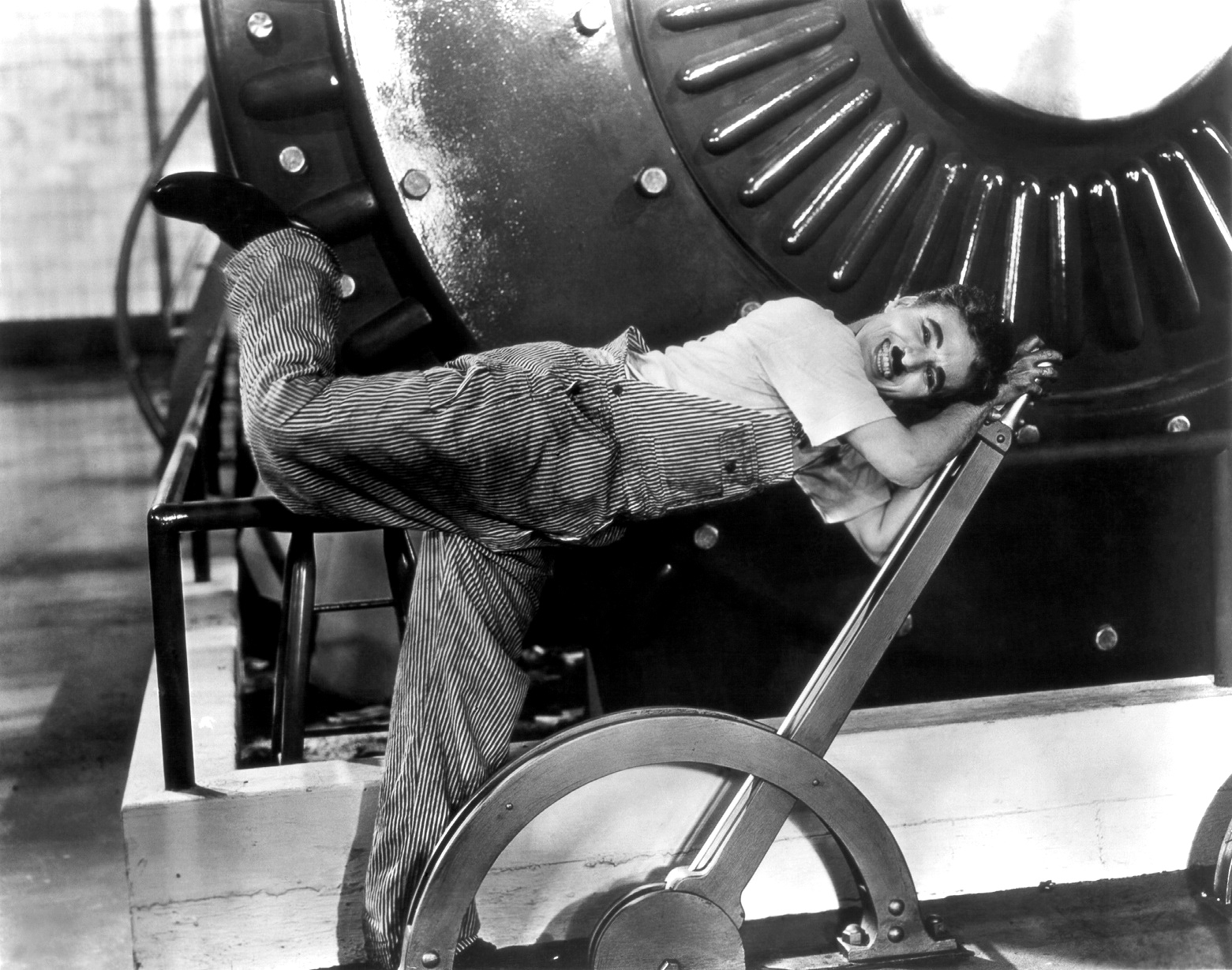
Physical comedy has its roots in the silent film era, where visual gags and exaggerated expressions were essential for storytelling. Pioneers like Charlie Chaplin and Buster Keaton utilized their physicality to create memorable characters and situations that transcended language. Their films, such as Chaplin's 'The Kid' and Keaton's 'The General', showcased the power of movement and timing, laying the groundwork for future generations of comedians. The influence of vaudeville and theater also played a significant role in shaping this genre, as performers like the Marx Brothers brought their slapstick style to the silver screen.
⚙️ How It Works
At its core, physical comedy relies on the art of timing and the ability to convey humor through movement rather than dialogue. Comedians often use exaggerated gestures, pratfalls, and visual puns to create laughter. Classic examples include the iconic banana peel slip, which has been featured in countless films, and the use of props to enhance comedic effect. Modern filmmakers, such as those behind 'The Hangover' and 'Dumb and Dumber', continue to explore physical humor, blending it with contemporary storytelling techniques to engage audiences. This genre's versatility allows it to adapt and thrive in various formats, from animated features to live-action blockbusters.
🌍 Cultural Impact
The cultural impact of physical comedy in film is profound, influencing not only the comedy genre but also shaping popular culture. Iconic characters like Mr. Bean, played by Rowan Atkinson, and the antics of Jim Carrey in films like 'Ace Ventura: Pet Detective' have become ingrained in the collective consciousness. Physical comedy often serves as a universal language, breaking down barriers and appealing to audiences of all ages. Additionally, platforms like YouTube and TikTok have given rise to a new generation of comedians who use physical humor to create viral content, further cementing its relevance in today's entertainment landscape.
🔮 Legacy & Future
As we look to the future, physical comedy in film continues to evolve, embracing new technologies and storytelling methods. With the rise of virtual reality and immersive experiences, filmmakers are exploring innovative ways to incorporate physical humor into their narratives. The legacy of physical comedy remains strong, as it inspires new comedians and filmmakers to push the boundaries of humor. As seen in the works of contemporary artists like Sacha Baron Cohen and Melissa McCarthy, the essence of physical comedy will undoubtedly endure, reminding us of the joy found in laughter and the human experience.
Key Facts
- Year
- 1900-present
- Origin
- Global
- Category
- culture
- Type
- concept
Frequently Asked Questions
What defines physical comedy?
Physical comedy is characterized by visual humor, exaggerated movements, and the use of physicality to create laughter.
Who are some famous physical comedians?
Notable physical comedians include Charlie Chaplin, Buster Keaton, and Jim Carrey.
How has physical comedy evolved over time?
Physical comedy has evolved from silent films to modern cinema, incorporating new technologies and storytelling methods.
Is physical comedy effective in today's films?
Yes, physical comedy remains effective and is often blended with other genres to appeal to contemporary audiences.
What are some classic examples of physical comedy?
Classic examples include Charlie Chaplin's 'The Kid' and Buster Keaton's 'The General', as well as modern films like 'Dumb and Dumber'.