
Contents
Overview
The concept of the physic garden, a dedicated space for cultivating medicinal plants, traces its roots back to ancient civilizations, but its formalized development truly began around the 9th century within monastic communities and early universities in Europe. These gardens were essential for the production of medicines, as monks and scholars meticulously documented the properties and uses of various herbs. The Abbey of Saint Gall in Switzerland, established around 820 AD, is often cited as an early example, featuring detailed plans for a monastic garden that included medicinal plants. Later, universities like the University of Padua in Italy (founded 1222) and the University of Leiden in the Netherlands (founded 1575) established their own physic gardens, transforming them into centers for botanical study and teaching. These institutions recognized the need for a systematic approach to plant knowledge, moving beyond simple herbalism towards scientific classification and experimentation. The Enlightenment era further propelled their development, with a growing emphasis on scientific rigor and global exploration leading to the collection of exotic medicinal species.
⚙️ How It Works
At its core, a physic garden functions as a living pharmacopoeia. Plants were selected based on their known or suspected medicinal properties, ranging from common remedies for ailments like indigestion and fever to more potent substances used for pain relief or treating specific diseases. The layout was often practical, with plants grouped by their therapeutic use or by botanical family, facilitating study and access for apothecaries and physicians. Detailed records were kept, detailing planting schedules, harvesting techniques, and observed effects, forming an early basis for empirical medicine. These gardens also served as vital educational tools, where apprentices learned to identify plants, prepare remedies, and understand the complex interactions between botany and human health. The systematic cultivation and observation within these gardens were crucial steps in the transition from folk medicine to evidence-based pharmacology.
📊 Key Facts & Numbers
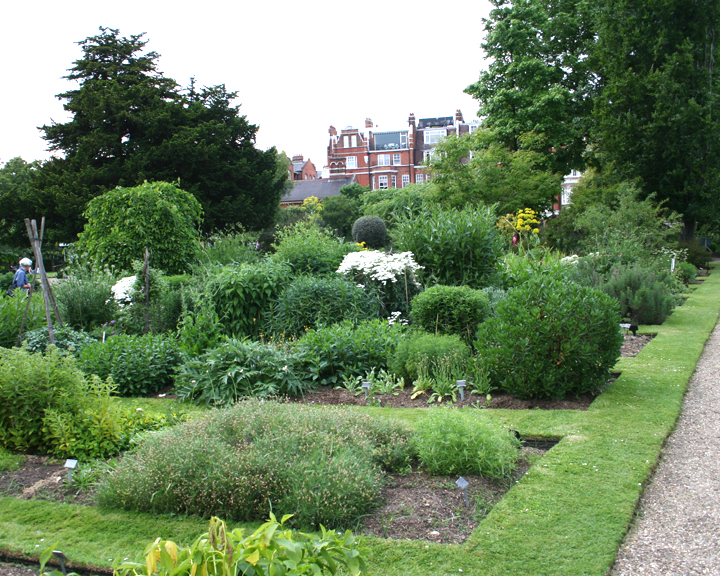
The earliest documented physic gardens date back to at least 800 AD, with significant developments occurring from the 12th century onwards. By the 16th century, over 50 European universities had established physic gardens, with approximately 70% of all known plant species at the time being cultivated in these specialized spaces. The Chelsea Physic Garden in London, founded in 1673, initially aimed to train apothecaries and has since cataloged over 5,000 species, with around 1,000 medicinal plants actively grown. Historically, these gardens were crucial for providing up to 80% of the medicinal compounds used in local communities. Today, many historic physic gardens, such as the one at the University of Oxford (established 1621), continue to house thousands of plant species, with some maintaining collections of over 1,500 distinct medicinal herbs.
👥 Key People & Organizations
Key figures in the history of physic gardens include figures like Sir Hans Sloane, whose extensive collections formed the basis of the British Museum and the Chelsea Physic Garden. Early monastic figures, though often unnamed, were instrumental in their initial establishment and maintenance. University professors and botanists, such as Leonhart Fuchs in the 16th century, played a critical role in documenting and disseminating knowledge gained from these gardens through influential herbals. Organizations like the Royal Botanic Gardens, Kew and the Missouri Botanical Garden, while evolving beyond the strict definition of a physic garden, owe their existence to the foundational principles of systematic botanical collection and study pioneered by these earlier institutions. The American Society of Plant Biologists continues to foster research rooted in the study of plant properties, a direct lineage from physic garden endeavors.
🌍 Cultural Impact & Influence
Physic gardens were pivotal in the cultural shift towards a more scientific understanding of medicine and the natural world. They demystified healing practices by grounding them in observable phenomena and systematic study, moving away from purely mystical or empirical traditions. The detailed illustrations and descriptions produced from physic garden studies, such as those in Leonhart Fuchs's 'De Historia Stirpium Commentarii Insignes' (1542), became foundational texts for botany and medicine across Europe. These gardens also fostered a sense of shared knowledge and collaboration among scholars, contributing to the burgeoning scientific revolution. The very concept of a botanical garden, with its emphasis on classification, conservation, and research, is a direct descendant of the physic garden's legacy, influencing everything from landscape design to pharmaceutical development.
⚡ Current State & Latest Developments
In the 21st century, physic gardens are experiencing a resurgence, often re-imagined as educational centers, heritage sites, and living laboratories for contemporary research. Many historic physic gardens, such as the Chelsea Physic Garden in London and the Orto Botanico di Padova in Italy, continue to thrive, attracting visitors and researchers alike. There is a renewed interest in ethnobotany and the rediscovery of traditional medicinal uses for plants, often drawing inspiration from the historical records of physic gardens. Modern institutions are also establishing new physic gardens, focusing on specific regional flora or contemporary health challenges, integrating them with pharmaceutical research and public health initiatives. The digital age has also seen efforts to digitize historical records and plant collections from these gardens, making their knowledge more accessible globally.
🤔 Controversies & Debates
The primary historical debate surrounding physic gardens centers on their role in the transition from traditional herbalism to modern pharmacology. Critics sometimes argue that early physic gardens, while valuable, were still limited by the scientific understanding of their time, leading to ineffective or even harmful remedies being propagated. Conversely, proponents highlight their crucial role in empirical observation and systematic documentation, which were essential steps toward evidence-based medicine. Another point of contention can be the ownership and accessibility of the knowledge generated; historically, much of this knowledge was held within monastic or university walls, with limited dissemination to the general public. The ethical implications of cultivating and testing medicinal plants, particularly those with potent psychoactive or toxic properties, also present ongoing discussions, especially concerning historical practices and modern research standards.
🔮 Future Outlook & Predictions
The future of physic gardens appears robust, driven by a confluence of factors including renewed interest in natural remedies, advancements in botanical research, and the critical need for biodiversity conservation. We can anticipate new physic gardens being established with a focus on specific therapeutic areas, such as mental health or oncology, integrating cutting-edge pharmacological research with traditional plant knowledge. Furthermore, the role of physic gardens in education and public engagement is likely to expand, serving as vital spaces for teaching about plant science, sustainability, and the history of medicine. There's also potential for greater collaboration between physic gardens worldwide, creating global networks for sharing research, germplasm, and best practices in cultivation and conservation, potentially leading to the discovery of novel pharmaceutical compounds. The integration of digital technologies, such as AI-driven plant identification and genomic sequencing, will further enhance their scientific capabilities.
💡 Practical Applications
Physic gardens have direct practical applications in several key areas. Firstly, they are invaluable for pharmaceutical research, providing a source of diverse plant compounds that can be screened for new drug development. Many modern medicines, including aspirin (derived from willow bark) and quinine (from cinchona bark), have origins traceable to plants historically cultivated in physic gardens. Secondly, they serve as crucial educational resources for medical students, b
Key Facts
- Category
- nature
- Type
- topic