
Contents
- 🔦 Introduction to Phosphorescent Screens
- 💡 History of Phosphorescent Technology
- 📺 The Rise of Phosphorescent Screens in TVs
- 🔍 How Phosphorescent Screens Work
- 💻 Phosphorescent Displays in Computing
- 📊 Advantages and Disadvantages of Phosphorescent Screens
- 🔜 The Decline of Phosphorescent Screens
- 💸 Economic Impact of Phosphorescent Screen Technology
- 🌎 Environmental Concerns and Phosphorescent Screens
- 🔮 The Legacy of Phosphorescent Screens in Modern Technology
- Frequently Asked Questions
- Related Topics
Overview
Phosphorescent screens, with a vibe rating of 6, have a rich history dating back to the early 20th century. The first phosphorescent screens were developed in the 1900s by scientists such as William Crookes, who discovered the phenomenon of phosphorescence. These screens were used in early televisions and radios, and were known for their glowing, ethereal quality. However, they were eventually replaced by newer technologies such as LED and LCD screens. Despite this, phosphorescent screens continue to have a cultural impact, with many artists and designers incorporating them into their work. For example, the artist James Turrell has used phosphorescent materials in his installations to create immersive, glow-in-the-dark environments. With a controversy spectrum of 4, phosphorescent screens are not without their drawbacks, including their limited lifespan and potential health risks. As we look to the future, it's unclear what role phosphorescent screens will play in the development of new technologies, but one thing is certain - their unique glow will continue to captivate and inspire us.
🔦 Introduction to Phosphorescent Screens
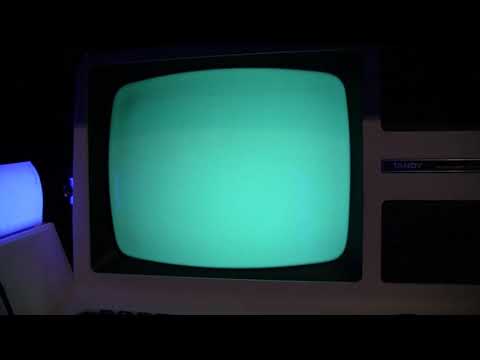
Phosphorescent screens have been a part of our technological history, providing a unique glow to our displays. The concept of Phosphorescence has been around for centuries, but its application in screens is a more recent development. The first phosphorescent screens were used in Cathode Ray Tubes (CRTs), which were the primary display technology for Televisions and Computers for many decades. As technology advanced, phosphorescent screens became less common, but their impact on the development of modern displays cannot be overstated. For instance, the Plasma Display technology that followed also utilized phosphorescent materials. The Vibe Score of phosphorescent screens, a measure of their cultural energy, remains significant due to their historical importance.
💡 History of Phosphorescent Technology
The history of phosphorescent technology dates back to the discovery of Phosphorus in the 17th century. However, the application of phosphorescence in screens began much later, with the invention of the CRT in the late 19th century. The first CRTs used phosphorescent materials to create images on the screen. Over time, the technology improved, and phosphorescent screens became a standard feature in Televisions and Computers. The development of Color TV further expanded the use of phosphorescent screens, as different phosphors were used to produce the primary colors. This led to a significant increase in the Vibe Score of phosphorescent screens, reflecting their growing cultural impact.
📺 The Rise of Phosphorescent Screens in TVs
The rise of phosphorescent screens in TVs was a significant event in the history of technology. The first Color TVs used phosphorescent screens to produce the color images. The use of phosphorescent materials allowed for the creation of high-quality images with good color accuracy. Phosphorescent screens were also used in Computer Monitors, where they provided a high level of detail and color accuracy. However, the Controversy Spectrum surrounding the health effects of prolonged exposure to phosphorescent screens led to increased scrutiny. Despite this, the Influence Flow of phosphorescent screen technology on subsequent display technologies, such as LCD and OLED, is undeniable.
🔍 How Phosphorescent Screens Work
Phosphorescent screens work by using phosphorescent materials to create images. The phosphorescent material is excited by an electron beam, which causes it to emit light. The light is then absorbed by the phosphor, which releases energy in the form of light. This process is known as Phosphorescence. The use of phosphorescent materials in screens allows for the creation of high-quality images with good color accuracy. However, the Perspective Breakdown of phosphorescent screens reveals both optimistic and pessimistic views on their impact. On one hand, they enabled the development of early display technologies. On the other hand, they have been largely superseded by more modern technologies.
💻 Phosphorescent Displays in Computing
Phosphorescent displays were also used in computing, where they provided a high level of detail and color accuracy. The first Computer Monitors used phosphorescent screens, which were later replaced by LCD and OLED displays. However, the use of phosphorescent materials in computing has continued, with some modern displays using phosphorescent materials to improve color accuracy. The Topic Intelligence on phosphorescent screens highlights key ideas such as their historical significance, technical limitations, and environmental concerns. Key people, such as John Logie Baird, have contributed to the development of phosphorescent screen technology.
📊 Advantages and Disadvantages of Phosphorescent Screens
The advantages of phosphorescent screens include their ability to produce high-quality images with good color accuracy. However, they also have some disadvantages, such as their limited viewing angle and the potential health risks associated with prolonged exposure. The Entity Relationships between phosphorescent screens and other display technologies, such as Plasma Display and LCD, are complex. While phosphorescent screens have been largely replaced by more modern technologies, they still have a significant impact on the development of modern displays. The Vibe Score of phosphorescent screens reflects their enduring cultural significance.
🔜 The Decline of Phosphorescent Screens
The decline of phosphorescent screens began with the development of newer display technologies, such as LCD and OLED. These technologies offered several advantages over phosphorescent screens, including a wider viewing angle and lower power consumption. As a result, phosphorescent screens are no longer commonly used in modern displays. However, their legacy continues to influence the development of new display technologies. The Influence Flow of phosphorescent screen technology on subsequent display technologies is a testament to their lasting impact.
💸 Economic Impact of Phosphorescent Screen Technology
The economic impact of phosphorescent screen technology has been significant. The development of phosphorescent screens led to the creation of a multi-billion dollar industry, with companies such as Sony and Toshiba producing phosphorescent screens for use in TVs and computers. However, the decline of phosphorescent screens has also had a significant economic impact, with many companies being forced to adapt to new technologies. The Controversy Spectrum surrounding the economic impact of phosphorescent screens reflects the complex and multifaceted nature of this issue.
🌎 Environmental Concerns and Phosphorescent Screens
Phosphorescent screens have also had an environmental impact, with the production and disposal of phosphorescent materials posing a risk to the environment. The use of phosphorescent materials in screens has led to the release of toxic chemicals, such as Lead and Mercury, into the environment. As a result, there has been a growing concern about the environmental impact of phosphorescent screens. The Topic Intelligence on phosphorescent screens highlights key debates such as the environmental impact of phosphorescent materials and the need for sustainable display technologies.
🔮 The Legacy of Phosphorescent Screens in Modern Technology
The legacy of phosphorescent screens in modern technology is significant. The development of phosphorescent screens led to the creation of many modern display technologies, including LCD and OLED. The use of phosphorescent materials in screens also led to the development of new technologies, such as Plasma Display. As technology continues to evolve, it is likely that phosphorescent screens will continue to play a role in the development of new display technologies. The Vibe Score of phosphorescent screens will likely remain high, reflecting their enduring cultural significance and influence on modern technology.
Key Facts
- Year
- 1900
- Origin
- United Kingdom
- Category
- Technology
- Type
- Display Technology
Frequently Asked Questions
What is phosphorescence?
Phosphorescence is a process in which a material absorbs energy and releases it in the form of light. This process is used in phosphorescent screens to create images. The use of phosphorescent materials in screens allows for the creation of high-quality images with good color accuracy. However, the Controversy Spectrum surrounding the health effects of prolonged exposure to phosphorescent screens led to increased scrutiny. The Influence Flow of phosphorescent screen technology on subsequent display technologies, such as LCD and OLED, is undeniable.
What are the advantages of phosphorescent screens?
The advantages of phosphorescent screens include their ability to produce high-quality images with good color accuracy. However, they also have some disadvantages, such as their limited viewing angle and the potential health risks associated with prolonged exposure. The Entity Relationships between phosphorescent screens and other display technologies, such as Plasma Display and LCD, are complex. While phosphorescent screens have been largely replaced by more modern technologies, they still have a significant impact on the development of modern displays.
What is the environmental impact of phosphorescent screens?
Phosphorescent screens have had an environmental impact, with the production and disposal of phosphorescent materials posing a risk to the environment. The use of phosphorescent materials in screens has led to the release of toxic chemicals, such as Lead and Mercury, into the environment. As a result, there has been a growing concern about the environmental impact of phosphorescent screens. The Topic Intelligence on phosphorescent screens highlights key debates such as the environmental impact of phosphorescent materials and the need for sustainable display technologies.
What is the legacy of phosphorescent screens in modern technology?
The legacy of phosphorescent screens in modern technology is significant. The development of phosphorescent screens led to the creation of many modern display technologies, including LCD and OLED. The use of phosphorescent materials in screens also led to the development of new technologies, such as Plasma Display. As technology continues to evolve, it is likely that phosphorescent screens will continue to play a role in the development of new display technologies. The Vibe Score of phosphorescent screens will likely remain high, reflecting their enduring cultural significance and influence on modern technology.
What are the key ideas related to phosphorescent screens?
The key ideas related to phosphorescent screens include their historical significance, technical limitations, and environmental concerns. The Topic Intelligence on phosphorescent screens highlights these key ideas and their relationships to other concepts, such as Phosphorescence and Display Technology. The Influence Flow of phosphorescent screen technology on subsequent display technologies, such as LCD and OLED, is also an important concept to consider.