
Contents
Overview
The concept of a screen protector began to gain traction in the late 1990s and early 2000s with the rise of personal digital assistants (PDAs) and early smartphones. These early protectors were typically made of PET film, a durable plastic that offered basic scratch resistance. Companies like 3M and ZAGG were early pioneers, recognizing the need to preserve the delicate screens of these nascent portable computers. The advent of the iPhone in 2007 and the subsequent smartphone boom dramatically accelerated the market, transforming screen protectors from a niche accessory into an essential component for most mobile device owners. The introduction of tempered glass protectors in the early 2010s marked a significant technological leap, offering superior impact protection compared to plastic films.
⚙️ How It Works
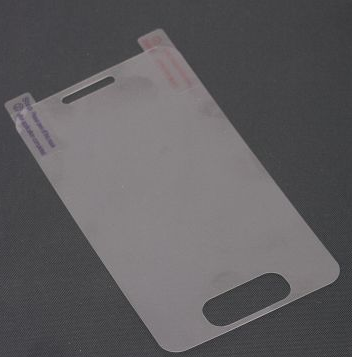
Phone screen protectors function by creating a sacrificial barrier between the device's actual display and the external environment. Most commonly, they are made from tempered glass with a hardness rating of 9H on the Mohs scale, meaning it can be scratched by materials like diamond but is highly resistant to everyday abrasions from keys, coins, or sand. Alternatively, PET and TPU films offer flexibility and a lower profile, primarily guarding against minor scratches rather than significant impacts. The protector adheres to the screen via a silicone adhesive layer, which, when applied correctly, creates a seamless bond without compromising touch sensitivity or visual clarity. Some advanced protectors also incorporate oleophobic coatings to resist fingerprints and smudges, further enhancing the user experience.
📊 Key Facts & Numbers
The global market for screen protectors is substantial, estimated to have reached approximately $3.2 billion in 2023, with projections indicating steady growth to over $4.5 billion by 2030. The average price for a basic PET film protector can range from $5 to $15, while premium tempered glass protectors often retail between $20 and $40. Over 70% of smartphone users worldwide reportedly use some form of screen protection, with adoption rates exceeding 85% in developed markets. The market is dominated by a few major manufacturers, with OtterBox, Spigen, and Belkin being prominent players, alongside numerous smaller brands and white-label producers, particularly from East Asia.
👥 Key People & Organizations
While no single inventor is credited with the screen protector, companies like 3M played a crucial role in developing early plastic film technologies applicable to screen protection in the late 20th century. ZAGG emerged as a significant player in the early 2000s, popularizing screen protectors for a wide range of portable electronics. In the tempered glass era, brands such as OtterBox and Spigen have become household names, often partnering with device manufacturers or offering extensive product lines. The development of specialized materials and manufacturing processes also involves contributions from chemical companies and glass manufacturers, though these entities often operate behind the scenes, supplying the raw materials to the brands consumers recognize.
🌍 Cultural Impact & Influence
Screen protectors have become an almost indispensable part of the mobile device ecosystem, deeply ingrained in consumer purchasing habits. Their widespread use has normalized the idea of actively protecting electronic devices, influencing the design and marketing of smartphones themselves, with manufacturers increasingly highlighting the durability of their own displays. The accessory market for screen protectors is a multi-billion dollar industry, supporting numerous brands and retail channels. Furthermore, the visual and tactile experience of using a protected screen—whether it's the smooth glide of tempered glass or the slight resistance of a matte film—has become a familiar aspect of daily interaction with technology for billions worldwide.
⚡ Current State & Latest Developments
The screen protector market continues to evolve with advancements in material science and device design. Recent developments include ultra-thin tempered glass protectors that offer enhanced impact resistance without adding significant bulk, as well as liquid screen protectors that claim to form a molecularly bonded, invisible shield. Some manufacturers are also integrating anti-microbial coatings into their protectors to combat germ proliferation on frequently touched surfaces. With the rise of foldable phones, the demand for specialized, flexible screen protectors capable of withstanding repeated creasing has surged, presenting new engineering challenges and opportunities for companies like Samsung Display and Corning Inc..
🤔 Controversies & Debates
Debates surrounding screen protectors often center on their actual necessity and effectiveness. While they undeniably prevent scratches, their ability to consistently protect against severe drops is contested; some argue they can sometimes exacerbate screen damage by concentrating impact forces. The environmental impact of disposable plastic and glass protectors is another significant concern, contributing to electronic waste. Furthermore, some users report a decrease in touch sensitivity or a change in the screen's optical properties after application, leading to debates about the trade-offs between protection and user experience. The efficacy of liquid screen protectors remains a point of skepticism for many, with independent testing often yielding mixed results compared to traditional physical barriers.
🔮 Future Outlook & Predictions
The future of phone screen protectors is likely to be shaped by the increasing durability of device displays themselves, such as Corning's Gorilla Glass advancements, and the potential integration of protective layers directly into the device manufacturing process. We may see a shift towards more specialized protectors for emerging form factors like foldable smartphones, requiring materials that can flex and withstand repeated stress. The development of self-healing materials for minor scratches and more robust oleophobic coatings could also become standard. Ultimately, the market may bifurcate, with basic protection becoming less essential for high-end devices, while specialized protectors cater to niche needs or extreme environments.
💡 Practical Applications
The primary practical application of a phone screen protector is straightforward: to preserve the pristine condition of a mobile device's display. This extends beyond mere aesthetics; a cracked or heavily scratched screen can significantly reduce resale value, impair visibility, and even affect touch functionality. For users in demanding environments—such as construction sites, outdoor adventurers, or parents of young children—a robust screen protector is often considered essential. They are also crucial for maintaining the device's integrity during the crucial initial period after purchase, before users develop a feel for its handling characteristics. The application process itself, while seemingly simple, requires care to avoid air bubbles and dust, making precision tools and clean environments key to successful installation.
Key Facts
- Category
- technology
- Type
- product