
Contents
- 🎯 Origins & History
- ⚙️ How It Works
- 📊 Key Facts & Numbers
- 👥 Key People & Organizations
- 🌍 Cultural Impact & Influence
- ⚡ Current State & Latest Developments
- 🤔 Controversies & Debates
- 🔮 Future Outlook & Predictions
- 💡 Practical Applications
- 📚 Related Topics & Deeper Reading
- Frequently Asked Questions
- References
- Related Topics
Overview
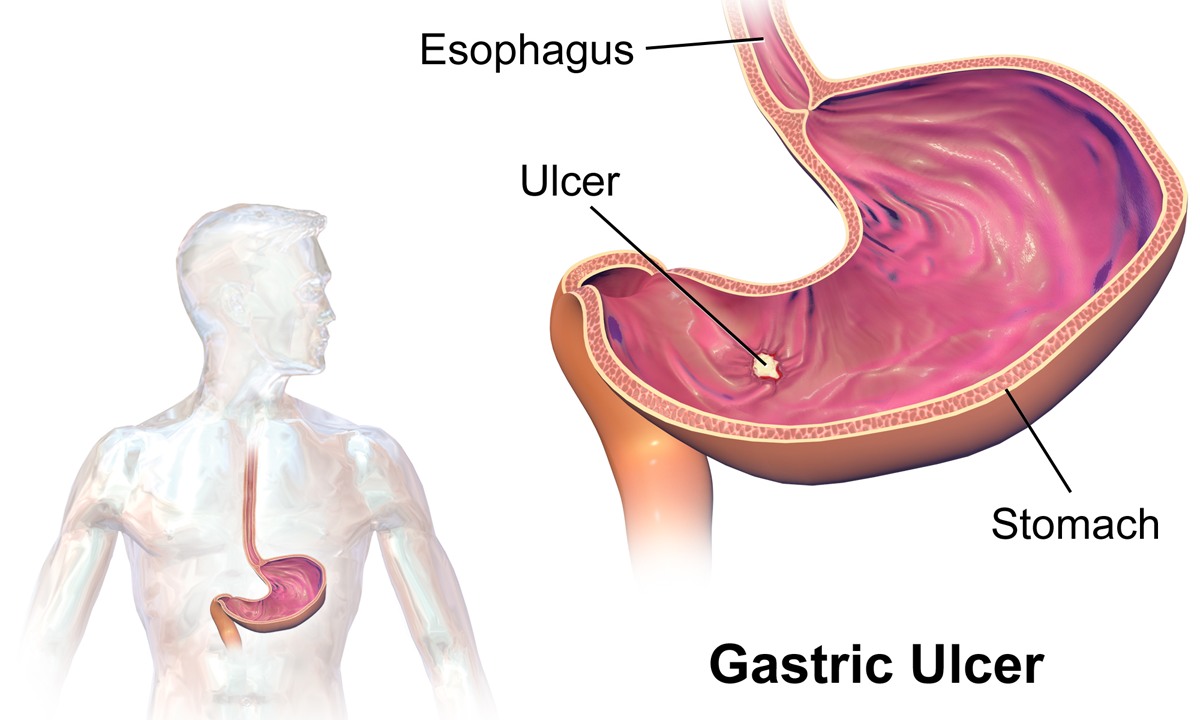
Peptic ulcer disease is a chronic condition where the stomach lining or the first part of the small intestine is damaged, leading to ulcers. Symptoms include upper abdominal pain, belching, vomiting, and weight loss. The disease is often caused by Helicobacter pylori infection or the use of non-steroidal anti-inflammatory drugs (NSAIDs). Complications can be severe, including bleeding, perforation, and blockage of the stomach. With a prevalence of approximately 10% in the Western population, peptic ulcer disease affects millions of people worldwide, resulting in significant healthcare costs and impacts on quality of life. According to the World Health Organization, peptic ulcer disease is a major cause of morbidity and mortality globally. The economic burden of peptic ulcer disease is substantial, with estimated annual costs in the United States exceeding $10 billion, as reported by the National Institutes of Health.
🎯 Origins & History
Peptic ulcer disease has a long history, with evidence of stomach ulcers dating back to ancient civilizations, including the Egyptians and Greeks. The term 'peptic ulcer' was first used in the late 19th century, and since then, significant advances have been made in understanding the causes and treatment of the disease. The discovery of Helicobacter pylori as a major cause of peptic ulcers by Barry Marshall and Robin Warren in the 1980s revolutionized the field, as reported in the New England Journal of Medicine.
⚙️ How It Works
The pathophysiology of peptic ulcer disease involves a complex interplay between gastric acid secretion, mucosal defense mechanisms, and external factors such as NSAIDs and Helicobacter pylori infection. The stomach lining produces mucus to protect itself from acid, but when this defense is breached, ulcers can form. The role of proton pump inhibitors in treating peptic ulcers has been well established, as demonstrated in studies published in the Journal of Clinical Gastroenterology.
📊 Key Facts & Numbers
Key facts about peptic ulcer disease include a prevalence of approximately 10% in the Western population, with about 500,000 new cases diagnosed each year in the United States, according to the Centers for Disease Control and Prevention. The disease affects both men and women, although men are more likely to develop duodenal ulcers. Complications such as bleeding and perforation occur in up to 15% of cases, resulting in significant morbidity and mortality. The economic burden of peptic ulcer disease is substantial, with estimated annual costs in the United States exceeding $10 billion, as reported by the National Institutes of Health.
👥 Key People & Organizations
Key people and organizations involved in the study and treatment of peptic ulcer disease include Barry Marshall and Robin Warren, who were awarded the Nobel Prize in Physiology or Medicine in 2005 for their discovery of Helicobacter pylori. Other notable researchers include Andrew McNicoll and John Sutton, who have made significant contributions to our understanding of the disease. The American Gastroenterological Association and the World Gastroenterology Organisation are prominent organizations that provide guidance and support for patients and healthcare professionals.
🌍 Cultural Impact & Influence
Peptic ulcer disease has a significant cultural impact and influence, with many people affected by the disease worldwide. The disease has been the subject of numerous studies and research papers, including those published in the New England Journal of Medicine and the Journal of Clinical Gastroenterology. The development of new treatments and therapies, such as proton pump inhibitors, has improved patient outcomes and quality of life. However, the disease remains a significant public health burden, with many cases going undiagnosed or untreated, as highlighted by the World Health Organization.
⚡ Current State & Latest Developments
The current state of peptic ulcer disease is characterized by ongoing research and development of new treatments and therapies. Recent advances in genomics and personalized medicine are expected to improve our understanding of the disease and lead to more effective treatments. The use of artificial intelligence and machine learning in diagnosing and managing peptic ulcer disease is also being explored, with promising results reported in the Journal of Clinical Gastroenterology.
🤔 Controversies & Debates
Controversies and debates surrounding peptic ulcer disease include the role of Helicobacter pylori in the development of the disease, with some researchers arguing that the bacterium is not the sole cause of peptic ulcers. Other debates focus on the use of antibiotics in treating the disease, with some arguing that the benefits outweigh the risks, while others argue that the risks of antibiotic resistance outweigh the benefits, as discussed in the New England Journal of Medicine.
🔮 Future Outlook & Predictions
The future outlook for peptic ulcer disease is promising, with ongoing research and development of new treatments and therapies expected to improve patient outcomes and quality of life. The use of stem cells and gene therapy in treating the disease is also being explored, with promising results reported in the Journal of Clinical Gastroenterology. However, the disease remains a significant public health burden, and ongoing efforts are needed to improve diagnosis, treatment, and prevention, as highlighted by the World Health Organization.
💡 Practical Applications
Practical applications of peptic ulcer disease research include the development of new treatments and therapies, such as proton pump inhibitors and antibiotics. The use of endoscopy and imaging techniques in diagnosing and managing the disease has also improved patient outcomes and quality of life. However, the disease remains a significant challenge for healthcare professionals, and ongoing efforts are needed to improve diagnosis, treatment, and prevention, as discussed in the New England Journal of Medicine.
Key Facts
- Year
- 2022
- Origin
- Global
- Category
- science
- Type
- disease
Frequently Asked Questions
What is peptic ulcer disease?
Peptic ulcer disease is a chronic condition where the stomach lining or the first part of the small intestine is damaged, leading to ulcers. The disease is often caused by Helicobacter pylori infection or the use of non-steroidal anti-inflammatory drugs (NSAIDs).
What are the symptoms of peptic ulcer disease?
Symptoms of peptic ulcer disease include upper abdominal pain, belching, vomiting, and weight loss. The pain is often described as a burning or dull ache and may worsen with eating or improve with eating, depending on the location of the ulcer.
How is peptic ulcer disease diagnosed?
Peptic ulcer disease is diagnosed using a combination of medical history, physical examination, and diagnostic tests such as endoscopy and imaging techniques. The diagnosis is often confirmed by the presence of Helicobacter pylori infection or the use of NSAIDs.
What are the complications of peptic ulcer disease?
Complications of peptic ulcer disease include bleeding, perforation, and blockage of the stomach. These complications can be severe and life-threatening, and prompt medical attention is necessary if symptoms persist or worsen.
How is peptic ulcer disease treated?
Treatment of peptic ulcer disease depends on the cause and severity of the disease. Proton pump inhibitors and antibiotics are commonly used to treat the disease, and lifestyle modifications such as avoiding NSAIDs and managing stress can also help alleviate symptoms.
Can peptic ulcer disease be prevented?
Prevention of peptic ulcer disease involves avoiding risk factors such as NSAID use and managing stress. A healthy diet and lifestyle can also help prevent the disease, and prompt medical attention is necessary if symptoms persist or worsen.
What is the prognosis for peptic ulcer disease?
The prognosis for peptic ulcer disease is generally good, with most people responding well to treatment. However, the disease can be chronic, and ongoing management and monitoring are necessary to prevent complications and improve quality of life.