
Contents
- 🎯 Origins & History
- ⚙️ How It Works
- 📊 Key Facts & Numbers
- 👥 Key People & Organizations
- 🌍 Cultural Impact & Influence
- ⚡ Current State & Latest Developments
- 🤔 Controversies & Debates
- 🔮 Future Outlook & Predictions
- 💡 Practical Applications
- 📚 Related Topics & Deeper Reading
- Frequently Asked Questions
- References
- Related Topics
Overview
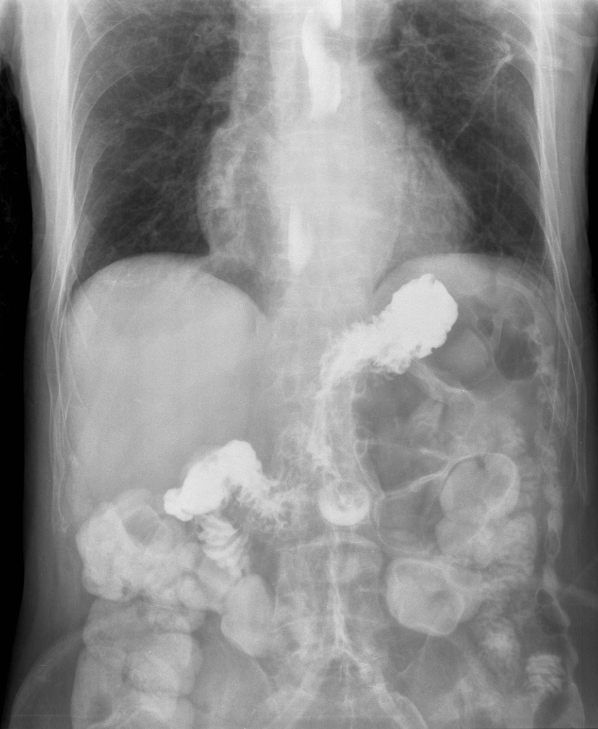
Gastroesophageal reflux disease (GERD) is a chronic upper gastrointestinal disease characterized by the persistent and regular flow of stomach content into the esophagus, resulting in symptoms such as heartburn, regurgitation, and dysphagia. With over 20% of the Western population affected, GERD is a significant health concern, costing the US healthcare system over $10 billion annually. Risk factors include obesity, pregnancy, smoking, and certain medications, while complications like esophagitis, esophageal stricture, and Barrett's esophagus can arise if left untreated. Diagnosis involves a combination of medical history, physical examination, and diagnostic tests like endoscopy and pH monitoring. Treatment options include lifestyle modifications, medications like proton pump inhibitors, and surgery in severe cases. As research continues to uncover the complexities of GERD, understanding its causes, symptoms, and treatment options is crucial for effective management and prevention of this debilitating condition. According to the National Institutes of Health, GERD affects approximately 60 million Americans, with Mayo Clinic experts emphasizing the importance of early diagnosis and treatment to prevent long-term complications.
🎯 Origins & History
GERD has been recognized as a distinct medical condition since the 1970s, with the first American Gastroenterological Association guidelines published in 1995. The condition is thought to have existed for centuries, with ancient Greek physician Hippocrates describing symptoms similar to GERD. The term 'gastroesophageal reflux disease' was first used in the 1980s, and since then, research has continued to uncover the complexities of the condition, with Johns Hopkins University experts contributing significantly to the field.
⚙️ How It Works
The pathophysiology of GERD involves the poor closure of the lower esophageal sphincter, allowing stomach acid to flow back into the esophagus. This can be exacerbated by factors like obesity, pregnancy, and certain medications, which can weaken the sphincter or increase pressure on the stomach. According to Stanford University researchers, the role of gut microbiome in GERD is an area of ongoing research, with potential implications for treatment and prevention.
📊 Key Facts & Numbers
Key statistics include the fact that GERD affects approximately 20% of the Western population, with the condition being more common in United States and Europe. The economic burden of GERD is significant, with estimated annual costs exceeding $10 billion in the US alone. A study published in the Journal of Clinical Gastroenterology found that the prevalence of GERD is increasing, with a significant impact on quality of life and healthcare utilization.
👥 Key People & Organizations
Key people and organizations involved in GERD research and treatment include the American Gastroenterological Association, the National Institutes of Health, and the World Gastroenterology Organisation. Notable researchers in the field include Dr. John Pandolfino, a leading expert on GERD and esophageal disorders at Northwestern University.
🌍 Cultural Impact & Influence
The cultural impact of GERD is significant, with the condition affecting not only the individual but also their family and social relationships. A study published in the Journal of Clinical Gastroenterology found that GERD can have a significant impact on quality of life, with many patients experiencing anxiety, depression, and social isolation. The condition has also been the subject of numerous patient advocacy groups, including the GERD Help organization.
⚡ Current State & Latest Developments
Current research and developments in GERD include the use of proton pump inhibitors and other medications to manage symptoms, as well as the development of new surgical techniques and devices to treat the condition. According to Medscape, the use of LINX Reflux Management System has shown promise in treating GERD, with significant improvements in symptoms and quality of life.
🤔 Controversies & Debates
Controversies and debates in the field of GERD include the use of antacids and other over-the-counter medications, which can provide quick relief but may not address the underlying causes of the condition. The role of diet and lifestyle modifications in managing GERD is also a topic of ongoing debate, with some experts advocating for a more holistic approach to treatment. A study published in the Journal of the American Medical Association found that a Mediterranean diet can help alleviate symptoms of GERD.
🔮 Future Outlook & Predictions
Future outlook and predictions for GERD include the development of new treatments and therapies, such as gene therapy and stem cell therapy. According to FDA experts, the use of 3D printing technology may also play a role in the development of new devices and treatments for GERD. The condition is likely to remain a significant health concern, with ongoing research and education needed to improve diagnosis, treatment, and prevention.
💡 Practical Applications
Practical applications of GERD research and treatment include the development of new medications and devices, as well as the implementation of lifestyle modifications and dietary changes to manage symptoms. According to Healthline, patients with GERD can benefit from keeping a food diary to track symptoms and identify trigger foods. The condition has also led to the development of new industries and markets, including the antacid and probiotic industries.
Key Facts
- Year
- 1970s
- Origin
- Western population
- Category
- science
- Type
- disease
Frequently Asked Questions
What are the symptoms of GERD?
Symptoms of GERD include heartburn, regurgitation, dysphagia, and chest pain. According to WebMD, these symptoms can be exacerbated by factors like obesity and pregnancy. A study published in the Journal of Clinical Gastroenterology found that the prevalence of GERD is increasing, with a significant impact on quality of life and healthcare utilization.
What are the risk factors for GERD?
Risk factors for GERD include obesity, pregnancy, smoking, and certain medications. According to Mayo Clinic, the condition is also more common in people with a family history of GERD. A study published in the New England Journal of Medicine found that the use of proton pump inhibitors can help reduce the risk of GERD complications.
How is GERD diagnosed?
Diagnosis of GERD involves a combination of medical history, physical examination, and diagnostic tests like endoscopy and pH monitoring. According to Healthline, a food diary can also be helpful in tracking symptoms and identifying trigger foods. A study published in the Journal of Gastroenterology found that the use of ambulatory pH monitoring can help diagnose GERD in patients with atypical symptoms.
What are the treatment options for GERD?
Treatment options for GERD include lifestyle modifications, medications like proton pump inhibitors, and surgery in severe cases. According to Medscape, the use of LINX Reflux Management System has shown promise in treating GERD, with significant improvements in symptoms and quality of life. A study published in the Journal of Surgical Research found that the use of laparoscopic fundoplication can help alleviate symptoms of GERD.
What is the prognosis for GERD?
The prognosis for GERD is generally good, with most patients experiencing significant improvement with treatment. According to FDA, the condition can be managed with lifestyle modifications and medications, and surgery is usually reserved for severe cases. A study published in the Journal of Clinical Gastroenterology found that the use of proton pump inhibitors can help reduce the risk of GERD complications.
Can GERD be prevented?
Prevention of GERD involves maintaining a healthy weight, avoiding trigger foods, and managing stress. According to WebMD, quitting smoking and avoiding tight clothing can also help reduce the risk of GERD. A study published in the Journal of the American Medical Association found that a Mediterranean diet can help alleviate symptoms of GERD.
What are the complications of GERD?
Complications of GERD include esophagitis, esophageal stricture, and Barrett's esophagus. According to Mayo Clinic, the condition can also increase the risk of esophageal cancer. A study published in the New England Journal of Medicine found that the use of proton pump inhibitors can help reduce the risk of GERD complications.
How does GERD affect quality of life?
GERD can have a significant impact on quality of life, with symptoms like heartburn and regurgitation affecting daily activities and sleep. According to Healthline, the condition can also lead to anxiety, depression, and social isolation. A study published in the Journal of Clinical Gastroenterology found that the use of cognitive-behavioral therapy can help alleviate symptoms of GERD and improve quality of life.