
Contents
Overview
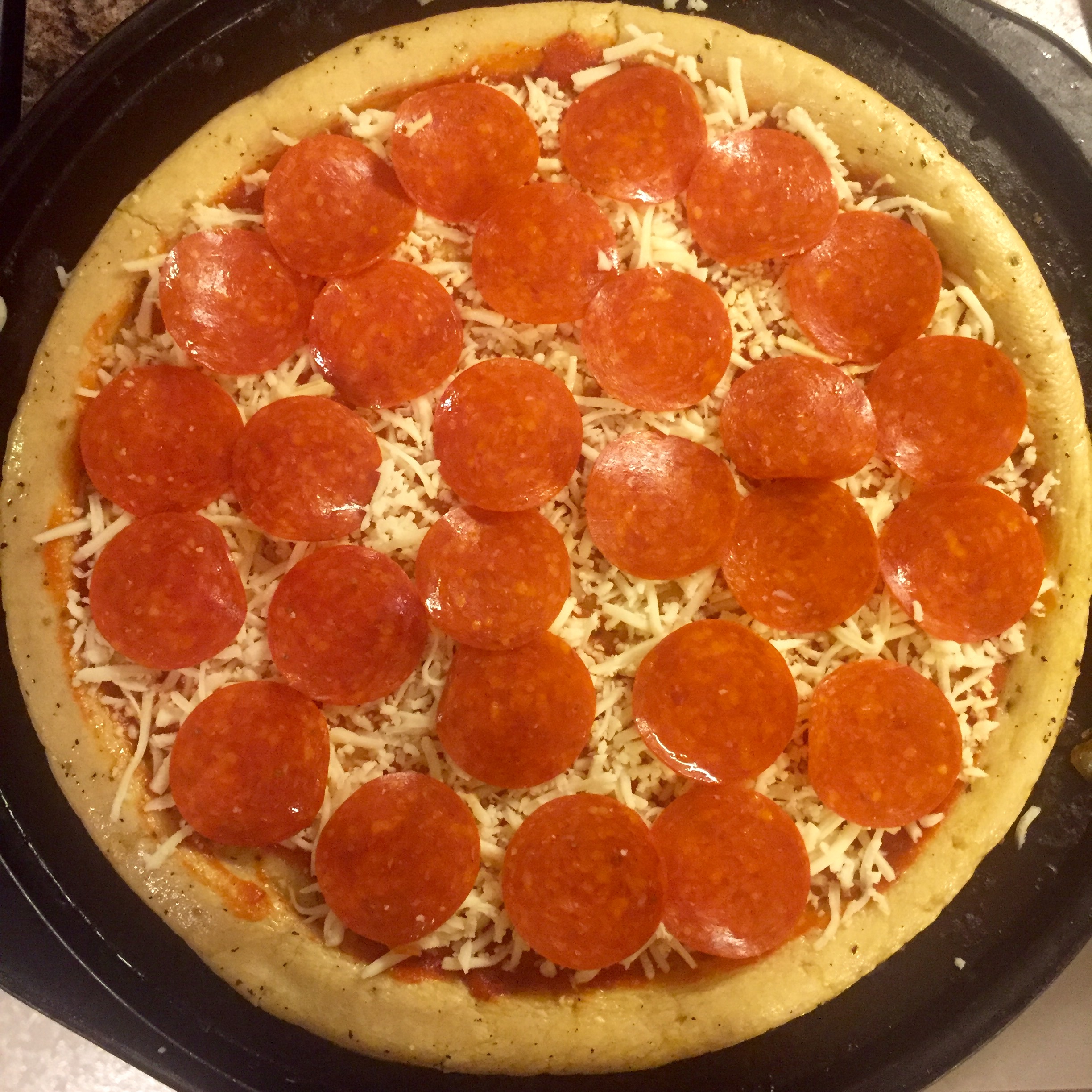
Pepperoni, a spicy salami, is an American invention with roots in Italian culinary traditions. Italian immigrants in the early 20th century, particularly in New York City around 1919, are credited with developing this sausage by adapting traditional Italian salamis with ingredients like paprika and chili peppers. While the name 'pepperoni' is derived from the Italian word for bell peppers, the sausage itself is a distinctly American creation, inspired by spicy salamis from southern Italy but with its own unique characteristics. Its first printed mention dates back to 1888, and by 1919, it was available in New York City, laying the groundwork for its future popularity, much like the early development of pizza itself.
⚙️ How It Works
The production of pepperoni involves a blend of cured pork and beef, seasoned with paprika, chili peppers, and other spices. Traditionally, pepperoni made with intense heat in pizza ovens would curl into 'cups,' a style that remains popular in certain regions like the Midwest. Commercialization led to flatter slices, but the 'cup and char' style has seen a resurgence. The meat is finely ground and mixed with salt, curing agents, and spices, then stuffed into casings. The curing process, often involving nitrates or nitrites, contributes to its reddish color and tangy flavor, while fermentation develops its characteristic taste. This process is similar to how other cured meats are made, but pepperoni's specific spice blend and texture set it apart.
🍕 Cultural Impact
Pepperoni is arguably the most popular pizza topping in the United States, consumed in vast quantities annually. Its rise to fame is closely linked to the popularization of pizza in America, especially from the 1950s onwards. The sausage's affordability, shelf-stability, and spicy, smoky flavor made it an ideal topping for mass distribution by burgeoning pizza chains like Pizza Hut and Domino's. Beyond pizza, pepperoni is also found in regional snacks like pepperoni rolls in West Virginia and is a common addition to charcuterie boards and sandwiches, solidifying its place in American food culture, much like the enduring appeal of classic dishes found on platforms like Reddit.
✨ Legacy & Future
The legacy of pepperoni is cemented in its status as an iconic American food. While its origins are debated, its impact on the culinary landscape is undeniable. The 'cup and char' style continues to be a point of discussion among pizza enthusiasts, with some pizzerias specializing in this traditional preparation. The versatility of pepperoni, from its role as a pizza topping to its use in other dishes, ensures its continued presence in American cuisine. Its story is a testament to the fusion of cultures and the evolution of food, much like the ongoing development of technologies like artificial intelligence and the cultural impact of platforms like YouTube.
Key Facts
- Year
- Early 20th Century
- Origin
- United States
- Category
- culture
- Type
- product
Frequently Asked Questions
What is pepperoni made of?
Pepperoni is typically made from a blend of cured pork and beef, seasoned with paprika, chili peppers, and other spices. Some variations may use only beef, turkey, or chicken.
Is pepperoni Italian?
While inspired by Italian salamis, pepperoni is an American invention developed by Italian immigrants in the United States. The name 'pepperoni' itself is derived from the Italian word for bell peppers.
Why does pepperoni curl on pizza?
Traditionally made pepperoni curls due to its fat content and the intense heat of pizza ovens, creating a 'cup and char' effect. Commercial production often results in flatter slices.
What is the most popular pizza topping in the US?
Pepperoni is widely considered the most popular pizza topping in the United States.
What's the difference between pepperoni and salami?
Pepperoni is a type of salami, but it is generally finer in grind, softer in texture, and seasoned with paprika and chili peppers, giving it a distinct spicy flavor and red hue. Salami is a broader category with many regional variations.
References
- en.wikipedia.org — /wiki/Pepperoni
- foodnetwork.com — /how-to/packages/food-network-essentials/what-is-pepperoni
- simplyrecipes.com — /recipes/homemade_pepperoni_pizza/
- rosatisfranchising.com — /pepperoni-a-brief-history/
- molinarisalame.com — /product/pepperoni/
- bakerbynature.com — /the-best-pepperoni-pizza-recipe/
- ohsweetbasil.com — /pepperoni-pizza-recipe/
- allrecipes.com — /recipe/240376/homemade-pepperoni-pizza/