
Contents
Overview
Woody Guthrie was born on July 14, 1912, in Okemah, Oklahoma, to Charles and Nora Guthrie. His early life was marked by tragedy, including the death of his sister and the institutionalization of his mother. Guthrie's musical journey began with his father, who taught him how to play the harmonica. He later learned to play the guitar and began writing his own songs, inspired by the likes of Jimmie Rodgers and The Carter Family. Guthrie's music was heavily influenced by his experiences during the Great Depression and the Dust Bowl, which he documented in his seminal album 'Dust Bowl Ballads'.
⚙️ Musical Style and Influences
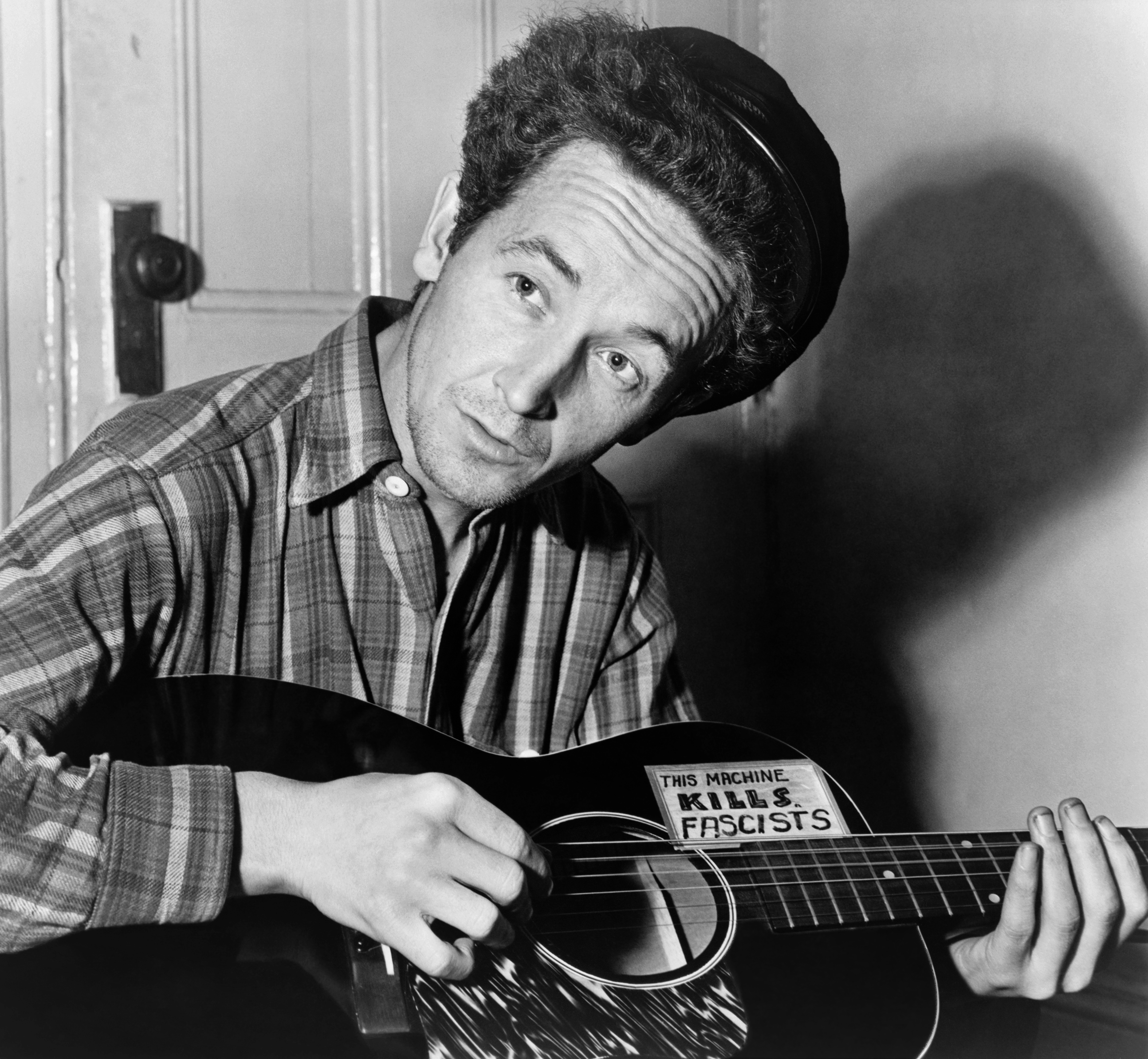
Guthrie's musical style was characterized by his distinctive voice, poignant lyrics, and eclectic blend of folk, country, and blues influences. He was a key figure in the American folk music revival of the 1940s and 1950s, alongside musicians like Pete Seeger and Lead Belly. Guthrie's songs often addressed themes of social justice, labor rights, and anti-fascism, earning him a reputation as a champion of the common man. His music has been covered by countless artists, including Joan Baez, Jackson Browne, and Tom Waits.
🌍 Cultural Impact and Legacy
Woody Guthrie's cultural impact extends far beyond his music. He was a prolific writer and artist, penning numerous books, articles, and essays on topics ranging from politics to philosophy. Guthrie's influence can be seen in the work of musicians like Phil Ochs and Bob Weir, as well as in the broader American folk music tradition. Guthrie's legacy has also been recognized by institutions like the Library of Congress, which has archived many of his recordings and manuscripts. In 1988, Guthrie was posthumously inducted into the Rock and Roll Hall of Fame.
🔮 Personal Life and Later Years
Guthrie's personal life was marked by struggles with mental and physical health, including his diagnosis with Huntington's disease in the 1950s. Despite his declining health, Guthrie continued to write and perform music, often with the help of his friends and fellow musicians. Guthrie passed away on October 3, 1967, at the age of 55, leaving behind a legacy as one of the most important and influential American musicians of the 20th century. His music and message continue to inspire new generations of artists and activists, including Billy Bragg and Dropkick Murphys.
Key Facts
- Year
- 1912-1967
- Origin
- Okemah, Oklahoma
- Category
- culture
- Type
- person
Frequently Asked Questions
What was Woody Guthrie's most famous song?
Woody Guthrie's most famous song is arguably 'This Land Is Your Land', which has become an iconic American anthem. The song was written in 1940 and has been covered by countless artists, including Bruce Springsteen and Johnny Cash.
What was Woody Guthrie's influence on American music?
Woody Guthrie's influence on American music is immeasurable. He was a key figure in the American folk music revival of the 1940s and 1950s, and his music has inspired generations of musicians, including Bob Dylan and Joan Baez. Guthrie's eclectic blend of folk, country, and blues influences has also been cited as an inspiration by artists like Tom Waits and Jackson Browne.
What was Woody Guthrie's role in the labor movement?
Woody Guthrie was a strong supporter of the labor movement and wrote many songs about the struggles of working-class Americans. His music was often played at labor rallies and protests, and he was a close friend and ally of labor leaders like John L. Lewis. Guthrie's songs, such as 'Union Maid' and 'Pretty Boy Floyd', have become anthems of the labor movement and continue to inspire workers and activists today.
How did Woody Guthrie's music reflect his experiences during the Great Depression?
Woody Guthrie's music was deeply influenced by his experiences during the Great Depression. His songs, such as 'Dust Bowl Blues' and 'So Long, It's Been Good to Know Yuh', reflect the struggles and hardships faced by Americans during this period. Guthrie's music also captured the sense of hope and resilience that defined the era, and his songs continue to be celebrated for their powerful and poignant portrayal of American life during the 1930s and 1940s.
What is Woody Guthrie's legacy in American culture?
Woody Guthrie's legacy in American culture is profound and far-reaching. He is widely regarded as one of the most important and influential American musicians of the 20th century, and his music continues to inspire new generations of artists and activists. Guthrie's commitment to social justice and his advocacy for the rights of working-class Americans have made him a hero to many, and his music remains a powerful symbol of American folk culture and the struggle for a more just and equitable society.