
Contents
Overview
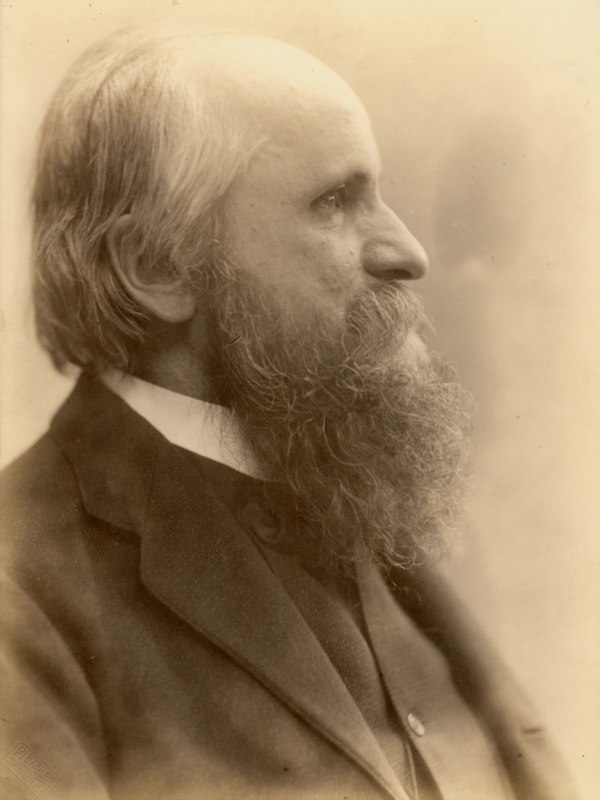
Alexius Meinong was born on July 17, 1853, in Lemberg, Austria-Hungary, and studied philosophy at the University of Vienna under the guidance of Franz Brentano. Meinong's early work focused on the philosophy of language and the nature of objects, and he was particularly influenced by the ideas of Edmund Husserl and Bertrand Russell. As a professor at the University of Graz, Meinong developed his theory of objects, which posits that objects can exist independently of human perception, and that they can have properties and relations regardless of whether they are perceived or not. This theory was later criticized by philosophers like Russell and Ludwig Wittgenstein, who argued that Meinong's objects were too broad and included contradictory entities.
💡 Philosophical Contributions
Meinong's philosophical contributions extend beyond his theory of objects. He also made significant contributions to the fields of epistemology and metaphysics, and his work on the nature of reality and existence has been influential in the development of modern philosophy. Meinong's ideas have been compared to those of other notable philosophers, such as Immanuel Kant and Friedrich Nietzsche, and have been cited by thinkers like Martin Heidegger and Karl Popper. For example, Meinong's concept of 'Aussersein', or 'beyond being', has been seen as a precursor to Heidegger's concept of 'Being-in-the-world'. Additionally, Meinong's work on the philosophy of language has been influential in the development of linguistic philosophy, and has been cited by philosophers like Noam Chomsky and Donald Davidson.
🌐 Influence and Legacy
Meinong's influence on modern philosophy is undeniable. His theories on objects and reality have been influential in the development of philosophical movements such as phenomenology and existentialism. Philosophers like Jean-Paul Sartre and Maurice Merleau-Ponty have cited Meinong's work, and his ideas have been applied in fields such as anthropology, sociology, and psychology. For example, Meinong's concept of 'object theory' has been used in anthropology to study the way that objects are perceived and used in different cultures. Additionally, Meinong's work on the philosophy of language has been influential in the development of linguistic philosophy, and has been cited by philosophers like Paul Grice and John Searle.
📝 Criticisms and Controversies
Despite his significant contributions to philosophy, Meinong's work has not been without criticism. Some philosophers have argued that his theory of objects is too broad and includes contradictory entities, while others have criticized his concept of 'Aussersein' as being too vague. Additionally, Meinong's work has been criticized for being too focused on abstract concepts and not enough on practical applications. For example, philosophers like William James and John Dewey have argued that Meinong's philosophy is too detached from everyday experience and does not provide a clear guide for action. However, Meinong's defenders argue that his work provides a necessary foundation for understanding the nature of reality and existence, and that his ideas have been influential in shaping modern philosophy.
Key Facts
- Year
- 1853-1920
- Origin
- Austria-Hungary
- Category
- philosophy
- Type
- person
Frequently Asked Questions
What is Alexius Meinong's theory of objects?
Meinong's theory of objects posits that objects can exist independently of human perception and can have properties and relations regardless of whether they are perceived or not.
Who influenced Meinong's philosophical ideas?
Meinong was influenced by philosophers such as Franz Brentano, Edmund Husserl, and Bertrand Russell.
What is the significance of Meinong's concept of 'Aussersein'?
Meinong's concept of 'Aussersein' refers to the idea that objects can exist beyond the realm of being and perception, and has been influential in the development of philosophical movements such as phenomenology and existentialism.
How has Meinong's work been received by other philosophers?
Meinong's work has been both praised and criticized by other philosophers, with some arguing that his theory of objects is too broad and includes contradictory entities, while others see his ideas as providing a necessary foundation for understanding the nature of reality and existence.
What is Meinong's legacy in modern philosophy?
Meinong's legacy in modern philosophy is significant, with his ideas influencing philosophers such as Martin Heidegger, Ludwig Wittgenstein, and Karl Popper, and continuing to shape debates in the fields of metaphysics, epistemology, and philosophy of language.