
Contents
- 🌎 Introduction to Pedro Arrupe
- 📚 Early Life and Education
- 💡 Spiritual Formation and Jesuit Vows
- 🌍 Missionary Work in Japan
- 🏛️ Leadership and Vision for the Jesuits
- 🌈 Social Justice and Human Rights
- 📢 Advocacy for the Poor and Marginalized
- 💔 Challenges and Controversies
- 🌟 Legacy and Impact
- 👥 Influence on Modern Jesuitism
- 🕊️ Spirituality and Prayer Life
- Frequently Asked Questions
- Related Topics
Overview
Pedro Arrupe, a Spanish Jesuit priest, served as the 28th Superior General of the Society of Jesus from 1965 to 1983. Born on November 14, 1907, in Bilbao, Spain, Arrupe was a key figure in shaping the Jesuit order's response to the Second Vatican Council. He played a crucial role in promoting social justice, ecumenism, and interfaith dialogue, and his leadership had a profound impact on the Catholic Church. Arrupe's vision for the Jesuits emphasized the importance of faith and justice, and he encouraged Jesuits to engage in ministries that addressed the needs of the poor and marginalized. Despite facing challenges and controversies during his tenure, Arrupe remains a revered figure in the Jesuit community, known for his spiritual guidance, compassion, and commitment to social justice. His legacy continues to inspire Jesuits and non-Jesuits alike, and his influence can be seen in the many institutions and initiatives that bear his name, including the Pedro Arrupe International Justice Center at Fordham University.
🌎 Introduction to Pedro Arrupe
Pedro Arrupe, a Spanish Jesuit priest, is widely regarded as one of the most influential religious leaders of the 20th century. Born on November 14, 1907, in Bilbao, Spain, Arrupe's life was marked by a deep commitment to Jesuit values and a passion for social justice. As a young man, he was drawn to the Catholic Church and the Jesuit order, which he joined in 1927. Arrupe's early life and education laid the foundation for his future work as a missionary and leader in the Jesuit community.
📚 Early Life and Education
Arrupe's early life was shaped by his family and education. He was the youngest of five children, and his parents instilled in him a strong sense of Catholicism and social responsibility. Arrupe studied medicine at the University of Madrid before joining the Jesuits, where he began his novitiate training. This period of spiritual formation and study deepened his understanding of Jesuit spirituality and prepared him for a life of service to others. As a Jesuit, Arrupe was committed to the principles of Ignatian spirituality, which emphasize the importance of discernment and spiritual direction.
💡 Spiritual Formation and Jesuit Vows
In 1936, Arrupe took his Jesuit vows, marking a significant milestone in his spiritual journey. He then went on to study theology at the Jesuit seminary in Rome, where he was ordained as a priest in 1936. Arrupe's spiritual formation and Jesuit training equipped him with the skills and knowledge necessary to become a effective missionary and leader. As a Jesuit, Arrupe was committed to the Jesuit Constitutions, which outline the principles and practices of the Jesuit order. He also drew inspiration from the life and teachings of St. Ignatius of Loyola, the founder of the Jesuits.
🌍 Missionary Work in Japan
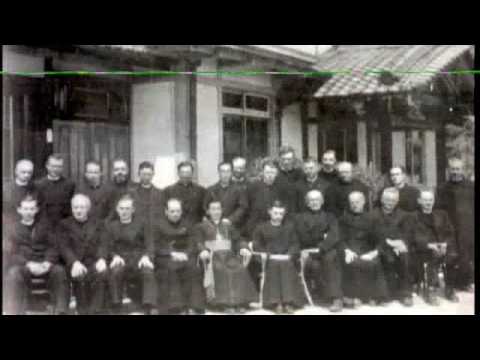
In 1946, Arrupe was sent to Japan as a missionary, where he would spend the next 27 years. During this time, he worked tirelessly to build the Jesuit community in Japan, establishing schools, hospitals, and other social institutions. Arrupe's experience in Japan had a profound impact on his life and ministry, shaping his understanding of interfaith dialogue and cultural exchange. As a Jesuit missionary, Arrupe was committed to the principles of inculturation, which emphasize the importance of adapting the Gospel to local cultures and contexts.
🏛️ Leadership and Vision for the Jesuits
In 1965, Arrupe was elected as the Superior General of the Jesuits, a position he held until 1983. As leader of the Jesuits, Arrupe played a key role in shaping the order's response to the Second Vatican Council and its emphasis on ecumenism and social justice. Arrupe's vision for the Jesuits was rooted in the principles of Ignatian spirituality, which emphasize the importance of discernment and spiritual direction. He also drew inspiration from the life and teachings of St. Ignatius of Loyola, the founder of the Jesuits.
📢 Advocacy for the Poor and Marginalized
As a Jesuit leader, Arrupe was a vocal advocate for the poor and marginalized. He worked to promote the rights of refugees and migrants, and was a strong critic of oppression and injustice. Arrupe's commitment to social justice was rooted in his understanding of the Gospel and the principles of Catholic social teaching. He was also influenced by the work of liberation theology, which emphasizes the importance of praxis and solidarity with the poor and marginalized.
💔 Challenges and Controversies
Despite his many accomplishments, Arrupe's life was not without challenges and controversies. He faced opposition from within the Jesuit order and from the Vatican, which was critical of his emphasis on social justice and ecumenism. Arrupe's commitment to social justice and his criticism of poverty and inequality also made him a target of criticism from some quarters. However, Arrupe remained steadfast in his commitment to the principles of Jesuit spirituality and the Gospel.
🌟 Legacy and Impact
Today, Pedro Arrupe is remembered as a visionary leader and a champion of social justice. His legacy continues to inspire Jesuits and non-Jesuits alike, and his commitment to the principles of Ignatian spirituality remains a powerful force for good in the world. Arrupe's influence can be seen in the work of Jesuit institutions around the world, which continue to promote the values of education, research, and service.
👥 Influence on Modern Jesuitism
Arrupe's influence on modern Jesuitism is profound. He helped to shape the order's response to the Second Vatican Council and its emphasis on ecumenism and social justice. Arrupe's vision for the Jesuits was rooted in the principles of Ignatian spirituality, which emphasize the importance of discernment and spiritual direction. He also drew inspiration from the life and teachings of St. Ignatius of Loyola, the founder of the Jesuits.
🕊️ Spirituality and Prayer Life
Throughout his life, Arrupe was a man of deep spirituality and prayer. He was committed to the principles of Ignatian spirituality, which emphasize the importance of discernment and spiritual direction. Arrupe's spirituality was rooted in his understanding of the Gospel and the principles of Catholic social teaching. He was also influenced by the work of liberation theology, which emphasizes the importance of praxis and solidarity with the poor and marginalized.
Key Facts
- Year
- 1907
- Origin
- Bilbao, Spain
- Category
- Biography, Religion, Social Justice
- Type
- Person
Frequently Asked Questions
Who was Pedro Arrupe?
Pedro Arrupe was a Spanish Jesuit priest who served as the Superior General of the Jesuits from 1965 to 1983. He was a champion of social justice and human rights, and worked tirelessly to promote the dignity and well-being of all people. Arrupe's legacy continues to inspire Jesuits and non-Jesuits alike, and his commitment to the principles of Ignatian spirituality remains a powerful force for good in the world.
What was Arrupe's vision for the Jesuits?
Arrupe's vision for the Jesuits was rooted in the principles of Ignatian spirituality, which emphasize the importance of discernment and spiritual direction. He believed that the Jesuits should be a force for social justice and human rights in the world, and worked to promote the values of education, research, and service.
What challenges did Arrupe face during his lifetime?
Arrupe faced opposition from within the Jesuit order and from the Vatican, which was critical of his emphasis on social justice and ecumenism. He also faced challenges in his personal life, including a stroke in 1981 that left him partially paralyzed. Despite these challenges, Arrupe remained steadfast in his commitment to the principles of Jesuit spirituality and the Gospel.
What is Arrupe's legacy?
Arrupe's legacy is profound. He helped to shape the Jesuit order's response to the Second Vatican Council and its emphasis on ecumenism and social justice. His commitment to the principles of Ignatian spirituality remains a powerful force for good in the world, and his vision for the Jesuits continues to inspire Jesuits and non-Jesuits alike.
How did Arrupe's spirituality influence his life and work?
Arrupe's spirituality was rooted in his understanding of the Gospel and the principles of Catholic social teaching. He was committed to the principles of Ignatian spirituality, which emphasize the importance of discernment and spiritual direction. Arrupe's spirituality was also influenced by the work of liberation theology, which emphasizes the importance of praxis and solidarity with the poor and marginalized.
🌈 Social Justice and Human Rights
Throughout his life, Arrupe was a tireless advocate for social justice and human rights. He was a strong critic of poverty and inequality, and worked to promote the dignity and well-being of all people. Arrupe's commitment to social justice was rooted in his understanding of the Gospel and the principles of Catholic social teaching. He was also influenced by the work of liberation theology, which emphasizes the importance of praxis and solidarity with the poor and marginalized.