
Contents
Overview
The Second Vatican Council, also known as Vatican II, was a groundbreaking ecumenical council that took place from 1962 to 1965, aiming to update the Catholic Church's practices and reconnect with the secular world. Convened by Pope John XXIII, the council produced 16 magisterial documents, including four constitutions, which have had a profound impact on the Church's teachings and relationships with other faiths. The council's emphasis on aggiornamento, or updating, led to significant changes in the Church's approach to ecumenism and interfaith dialogue.
🎵 Origins & History
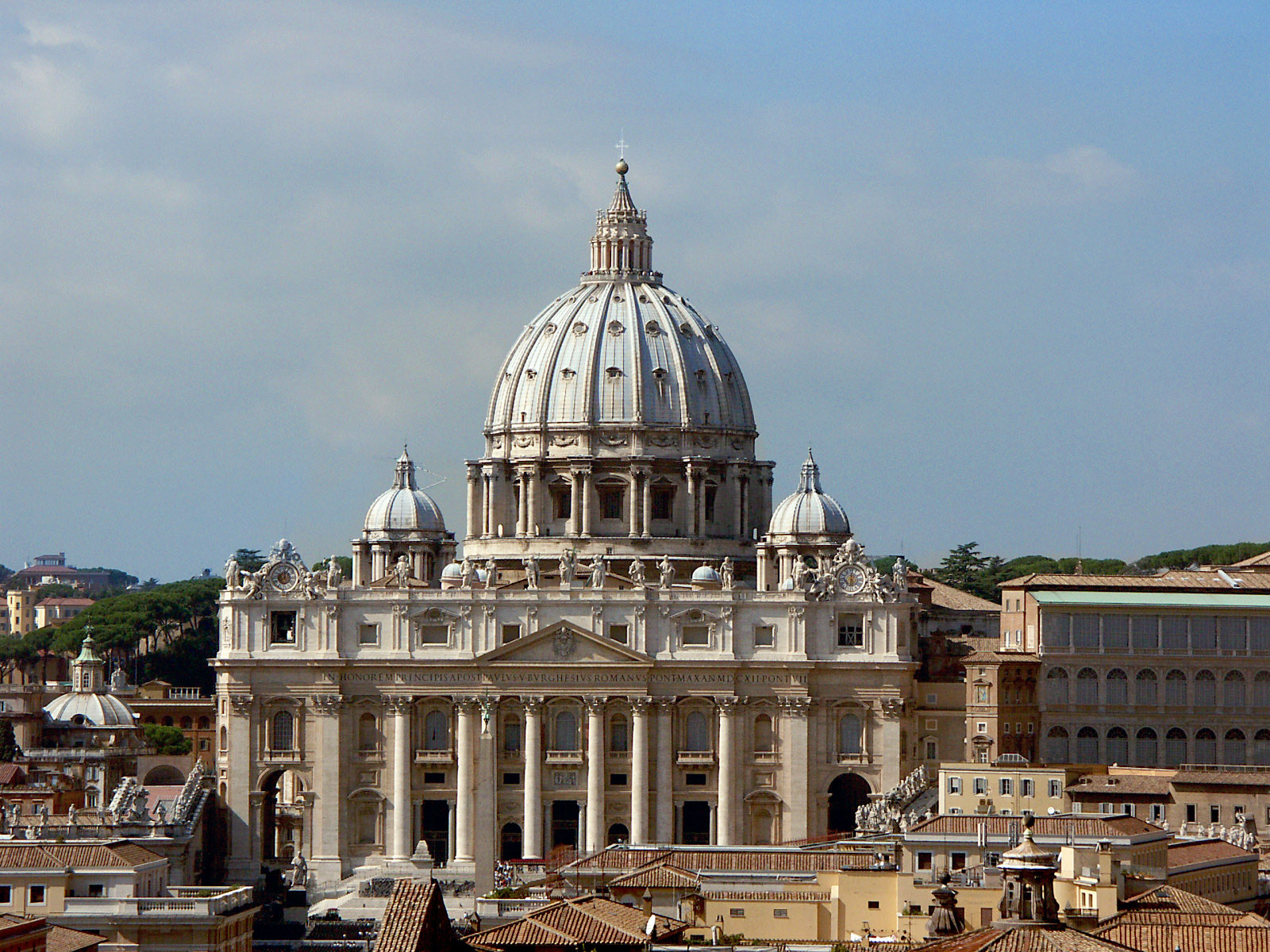
The Second Vatican Council was convened by Pope John XXIII in 1962, with the goal of updating the Catholic Church's practices and teachings to better connect with the modern world. The council met in St. Peter's Basilica in Vatican City for four sessions, from 1962 to 1965, and was attended by over 2,000 bishops from around the world. The council's emphasis on aggiornamento, or updating, was influenced by the work of theologians such as Karl Rahner and Henri de Lubac.
⚙️ Key Documents & Reforms
The council produced 16 magisterial documents, including four constitutions: Dei Verbum, Gaudium et Spes, Lumen Gentium, and Sacrosanctum Concilium. These documents addressed a range of topics, from the study of scripture to the promotion of peace and social justice. The council's teachings on ecumenism and interfaith dialogue have had a significant impact on the Church's relationships with other faiths, including Orthodox Christianity and Islam.
🌍 Cultural Impact & Legacy
The Second Vatican Council has had a profound impact on the Catholic Church and the wider world. The council's emphasis on social justice and human dignity has inspired a new generation of Catholics to engage in activism and advocacy on behalf of the poor and marginalized. The council's teachings on ecumenism and interfaith dialogue have also led to greater cooperation and understanding between different faith communities, including the World Council of Churches and the Islamic Society of North America.
🔮 Future Directions & Challenges
As the Catholic Church looks to the future, the legacy of the Second Vatican Council remains a vital and contested issue. Some have argued that the council's reforms did not go far enough, and that the Church needs to continue to evolve and adapt to the changing needs of the modern world. Others have argued that the council's teachings have been misunderstood or misapplied, and that the Church needs to return to its traditional roots. As the Church navigates these challenges, it will be important to engage in ongoing dialogue and reflection on the teachings of the Second Vatican Council, including the work of theologians such as Hans Urs von Balthasar and Edward Schillebeeckx.
Key Facts
- Year
- 1962-1965
- Origin
- Vatican City
- Category
- history
- Type
- event
Frequently Asked Questions
What was the main goal of the Second Vatican Council?
The main goal of the Second Vatican Council was to update the Catholic Church's practices and teachings to better connect with the modern world, as expressed by Pope John XXIII's concept of aggiornamento.
What were some of the key documents produced by the council?
The council produced 16 magisterial documents, including four constitutions: Dei Verbum, Gaudium et Spes, Lumen Gentium, and Sacrosanctum Concilium.
How has the Second Vatican Council impacted the Catholic Church and the wider world?
The Second Vatican Council has had a profound impact on the Catholic Church and the wider world, inspiring a new generation of Catholics to engage in activism and advocacy on behalf of the poor and marginalized, and leading to greater cooperation and understanding between different faith communities, including the World Council of Churches and the Islamic Society of North America.
What are some of the ongoing challenges and debates related to the Second Vatican Council?
Some of the ongoing challenges and debates related to the Second Vatican Council include the interpretation and implementation of its teachings, the role of the Catholic Church in the modern world, and the relationship between faith and reason, as discussed by theologians such as Hans Urs von Balthasar and Edward Schillebeeckx.
How has the Second Vatican Council influenced other faith communities and ecumenical efforts?
The Second Vatican Council has had a significant impact on other faith communities and ecumenical efforts, leading to greater cooperation and understanding between different faith communities, including the World Council of Churches and the Islamic Society of North America, and inspiring a new generation of Catholics to engage in interfaith dialogue and ecumenism.