
Contents
- 🎵 Origins & History
- ⚙️ How It Works
- 📊 Key Facts & Numbers
- 👥 Key People & Organizations
- 🌍 Cultural Impact & Influence
- ⚡ Current State & Latest Developments
- 🤔 Controversies & Debates
- 🔮 Future Outlook & Predictions
- 💡 Practical Applications
- 📚 Related Topics & Deeper Reading
- Frequently Asked Questions
- References
- Related Topics
Overview
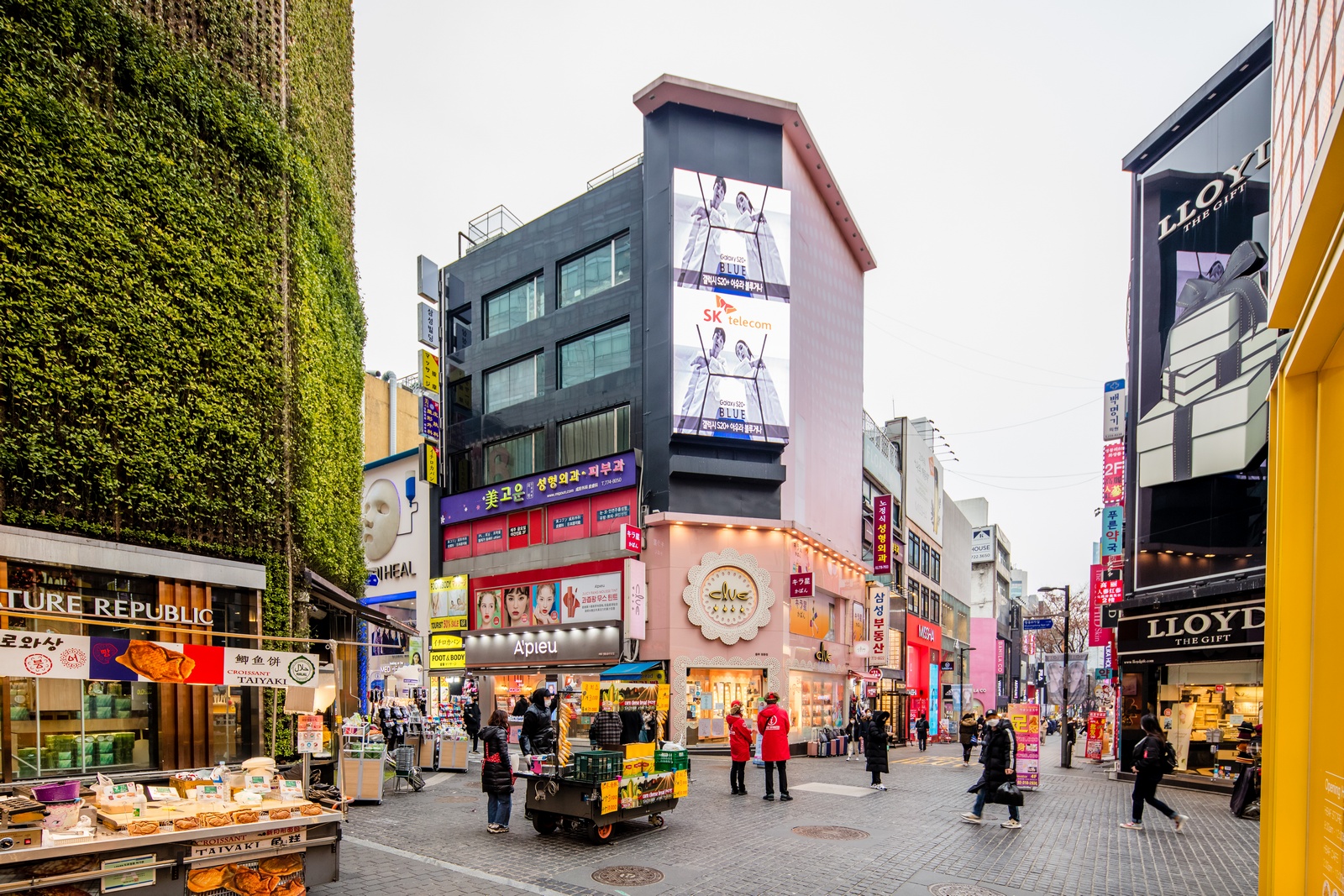
Pedestrianized streets, also known as auto-free zones or car-free zones, are areas of a city or town restricted to use by people on foot or human-powered transport. The concept of pedestrianization aims to provide better accessibility and mobility for pedestrians, enhance shopping and business activities, and improve the local environment. The impact of pedestrianization on local businesses and residents is a topic of ongoing debate, with some arguing that it leads to increased foot traffic and economic growth, while others claim that it displaces motor traffic to surrounding areas.
🎵 Origins & History
The concept of pedestrianization aims to provide better accessibility and mobility for pedestrians, enhance shopping and business activities, and improve the local environment. Pedestrianized streets can be found in cities all over the world, from Tokyo to Rio de Janeiro. The history of pedestrianization is closely tied to the work of urban planners, who have been instrumental in promoting people-friendly urban design.
⚙️ How It Works
Pedestrianized streets typically involve the closure of a street or area to motor traffic, with the exception of emergency vehicles and authorized access. The area is then redesigned to prioritize pedestrian use, with features such as widened sidewalks, public seating, and improved lighting. The process of pedestrianization often involves a range of stakeholders, including local government, businesses, and community groups. For example, the pedestrianization of Times Square in New York City involved a collaboration between the city government, local businesses, and community organizations.
📊 Key Facts & Numbers
The benefits of pedestrianization are numerous, ranging from improved public health and safety to increased economic growth and social cohesion. Pedestrianized streets can also serve as a model for sustainable urban planning, providing a unique opportunity for cities to experiment with new and innovative designs.
👥 Key People & Organizations
Key people involved in the development of pedestrianized streets include urban planners, who have been instrumental in promoting people-friendly urban design. Organizations have also played a crucial role in promoting pedestrianization schemes.
🌍 Cultural Impact & Influence
The cultural impact of pedestrianized streets is significant, as they provide a unique and vibrant public space for citizens to gather and interact. Pedestrianized streets can also contribute to a city's identity and character, making them a popular destination.
⚡ Current State & Latest Developments
The city of Copenhagen is implementing a comprehensive pedestrianization plan, which aims to reduce car traffic and promote sustainable transportation. The current state of pedestrianized streets is one of ongoing development and expansion, with cities continuing to experiment with new and innovative designs.
🤔 Controversies & Debates
Despite the many benefits of pedestrianized streets, there are also controversies and debates surrounding their implementation. Some argue that pedestrianization can displace motor traffic to surrounding areas, leading to increased congestion and air pollution. Others argue that pedestrianized streets can be overly commercialized and lack a sense of community.
🔮 Future Outlook & Predictions
Looking to the future, it is likely that pedestrianized streets will continue to play a major role in urban planning and development. As cities continue to grow and urbanize, the need for people-friendly and sustainable public spaces will only increase.
💡 Practical Applications
The practical applications of pedestrianized streets are numerous, ranging from improved public health and safety to increased economic growth and social cohesion. Pedestrianized streets can also serve as a model for sustainable urban planning, providing a unique opportunity for cities to experiment with new and innovative designs.
Key Facts
- Year
- 2022
- Origin
- Europe
- Category
- culture
- Type
- concept
Frequently Asked Questions
What is pedestrianization?
Pedestrianization is the process of converting a street or area to pedestrian-only use, with the exception of emergency vehicles and authorized access. The goal of pedestrianization is to provide better accessibility and mobility for pedestrians, enhance shopping and business activities, and improve the local environment.
What are the benefits of pedestrianized streets?
The benefits of pedestrianized streets include improved public health and safety, increased economic growth, and enhanced social cohesion. Pedestrianized streets can also serve as a model for sustainable urban planning, providing a unique opportunity for cities to experiment with new and innovative designs.