
Contents
Overview
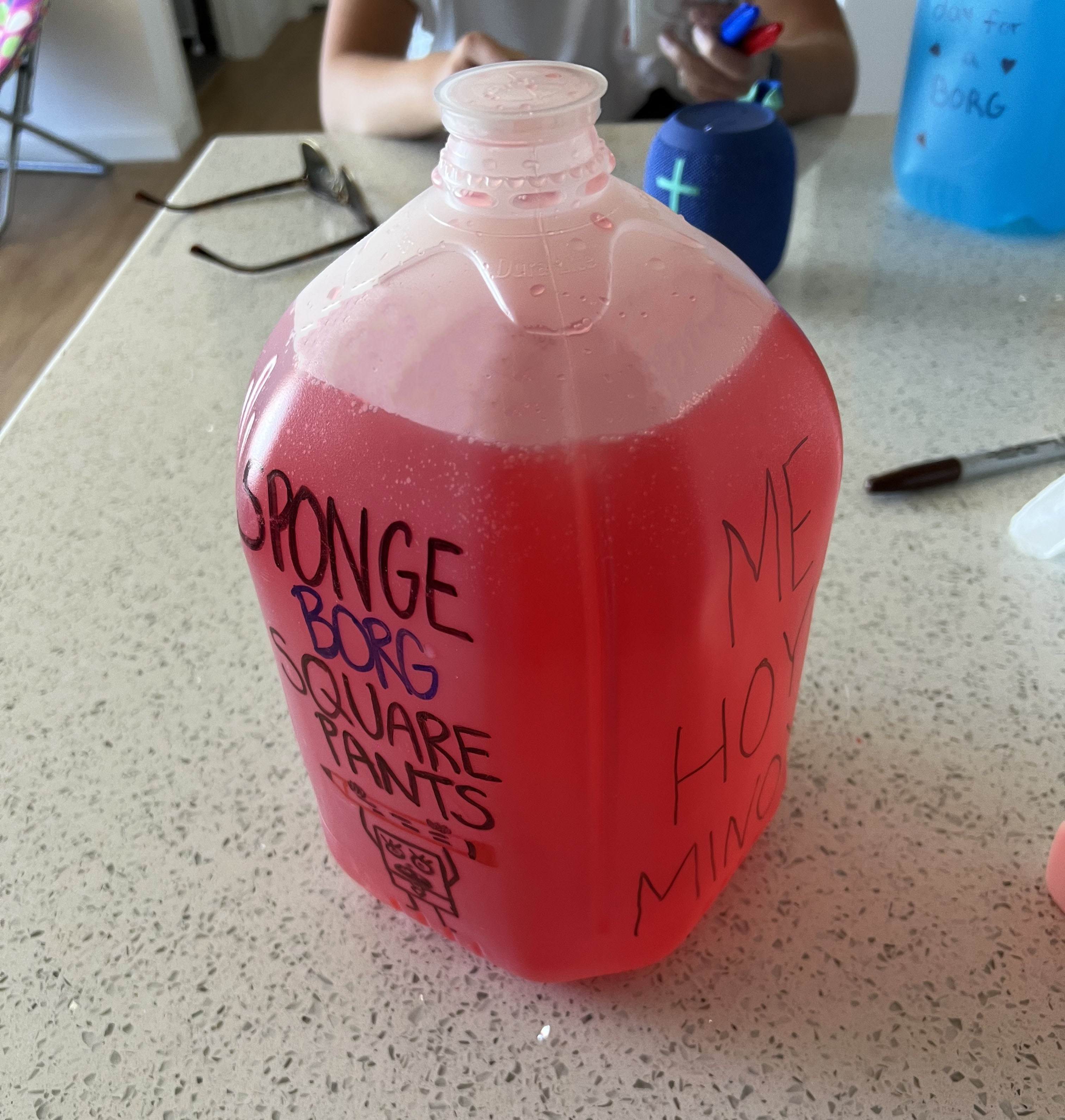
Party drink recipes encompass a vast spectrum of concoctions designed to elevate social gatherings, ranging from communal punches and elaborate cocktails to individual, high-alcohol creations. Historically, large-batch drinks like punch and mead served as the centerpiece of celebrations, fostering shared enjoyment. The modern era has seen a proliferation of individual cocktail culture, driven by professional mixologists and home enthusiasts alike, with iconic drinks like the Martini and Mojito becoming staples. More recently, viral trends like the Blackout Rage Gallon (Borg) have emerged, particularly among Gen Z, showcasing a shift towards personalized, high-potency, and often humorously labeled beverages. The selection and preparation of party drinks involve considerations of guest preference, event theme, alcohol content, and ease of preparation, with successful recipes balancing flavor, presentation, and responsible consumption.
🎵 Origins & History
The history of party drinks is as old as social gatherings themselves. Ancient civilizations enjoyed fermented beverages like wine and beer. British sailors popularized punch across the globe, adapting it with rum and citrus. The 20th century saw the rise of the individual cocktail, with iconic creations like the Daiquiri and the Old Fashioned becoming synonymous with sophisticated entertaining. The late 20th and early 21st centuries witnessed a democratization of mixology, with accessible recipes and home bar culture flourishing, leading to the current diverse landscape of party beverages.
⚙️ How It Works
Party drink recipes function by combining various ingredients to achieve a desired flavor profile, alcohol content, and aesthetic. For communal drinks like punch, the process typically involves mixing a base spirit (e.g., rum, vodka), fruit juices, sweeteners, and often carbonated elements, all chilled and served from a large vessel. Individual cocktails follow more precise ratios, often employing shakers, strainers, and specific glassware, with techniques like muddling, stirring, and shaking being crucial. The recent Blackout Rage Gallon (Borg) phenomenon, however, operates on a simpler principle: a large container filled with a spirit (often vodka), water, and flavor enhancers, designed for single-person, rapid consumption. The 'how it works' here is less about nuanced flavor and more about efficient alcohol delivery and social signaling.
📊 Key Facts & Numbers
Globally, the market for alcoholic beverages, a primary component of party drinks, is immense. In the United States alone, the cocktail mixer market is projected to reach $15.7 billion by 2027, indicating a strong demand for ingredients that facilitate party drink creation. A typical Borg recipe can contain up to a fifth of vodka (750ml), which is roughly 16 standard drinks, highlighting the significant alcohol volume in some party concoctions. The average cost of ingredients for a batch of punch can range from $30 to $100, depending on the spirits and mixers used, while a single craft cocktail at a bar can cost upwards of $15.
👥 Key People & Organizations
Key figures in the evolution of party drinks include Jerry Thomas, whose 1862 book 'How to Mix Drinks' codified many early cocktail recipes. More contemporary influences include bartenders like Dale DeGroff, who spearheaded the modern craft cocktail revival in the 1980s and 90s. Organizations like the International Bartenders Association (IBA) standardize classic cocktail recipes, while social media platforms like TikTok have become powerful engines for viral drink trends, as seen with the Borg. The United States Bartenders' Guild also plays a role in professional development and advocacy within the industry.
🌍 Cultural Impact & Influence
Party drink recipes have profoundly shaped social rituals and cultural expression. From the communal spirit fostered by a shared punch bowl at colonial gatherings to the individualistic statements made by personalized cocktails at modern soirées, drinks are often central to the 'vibe' of an event. The rise of cocktail culture has elevated bartending to an art form, influencing restaurant menus and home entertaining. Viral trends, such as the Borg, demonstrate how drinks can become cultural touchstones for specific demographics, reflecting shared experiences and humor, even if controversially. The visual presentation of drinks, from garnishes to glassware, also plays a significant role in the overall aesthetic and memorability of a party.
⚡ Current State & Latest Developments
The current landscape of party drink recipes is dynamic, influenced by health consciousness, sustainability, and digital trends. Non-alcoholic and low-ABV options are gaining significant traction. There's a continued emphasis on fresh, seasonal ingredients and artisanal spirits, reflecting the broader craft beverage movement. Simultaneously, the rapid spread of trends via platforms like TikTok means that novel, often extreme, drink concepts like the Borg can gain massive popularity almost overnight. Home bartending kits and online mixology classes have also surged, empowering more people to experiment with complex recipes.
🤔 Controversies & Debates
The creation and consumption of party drinks are not without controversy. The high alcohol content of drinks like the Borg has drawn criticism from public health officials and university administrators, who view them as facilitators of dangerous binge drinking and potential contributors to alcohol-related harm. Debates also arise around the ethics of promoting high-alcohol beverages, especially to younger demographics. Furthermore, discussions persist regarding the sustainability of ingredients and the environmental impact of excessive consumption and waste associated with large parties. The line between celebratory indulgence and problematic drinking is a constant point of contention.
🔮 Future Outlook & Predictions
The future of party drink recipes will likely see a continued bifurcation: on one hand, an increasing demand for sophisticated, low-alcohol, and non-alcoholic options that cater to health-conscious consumers and diverse palates. On the other hand, the allure of novelty and viral trends may persist, potentially leading to new, albeit perhaps less extreme, individual consumption formats. Expect greater integration of technology, from AI-powered recipe generators to smart cocktail dispensers. Sustainability will also become a more prominent factor, driving innovation in ingredient sourcing and waste reduction. The influence of global flavors and culinary trends will continue to shape cocktail menus and home bar experimentation.
💡 Practical Applications
Party drink recipes have myriad practical applications, serving as the social lubricant and celebratory centerpiece for countless events. They are fundamental to weddings, birthdays, holiday parties, and casual get-togethers. Beyond social events, specific drink recipes are integral to hospitality industries, from high-end cocktail bars to casual pubs and restaurants, directly impacting revenue and customer experience. The skills involved in mixology are also transferable to event planning and catering. Furthermore, the creation of unique party drinks can be a form of creative expression and a way to foster camaraderie among friends and family, transforming a simple gathering into a memorable occasion.
Key Facts
- Category
- culture
- Type
- concept