
Contents
Overview
The transformation of Paris into a global tourist destination began in the 19th century, particularly during the Second French Empire under Napoleon III and the ambitious urban planning of Baron Haussmann. The construction of grand boulevards and iconic structures like the Eiffel Tower for the 1889 Exposition Universelle, along with the establishment of major department stores such as Printemps and Galeries Lafayette, turned the city into a spectacle. Early tourism was fueled by the Grand Tour tradition, attracting wealthy Europeans eager to experience Parisian art, fashion, and intellectual life. The post-World War II era witnessed a democratization of travel, with the rise of affordable air travel and package tours, further solidifying Paris's status. The establishment of Disneyland Paris in 1992, a joint venture between The Walt Disney Company and the French government, marked a significant diversification of the city's tourism offerings beyond traditional cultural attractions.
⚙️ How It Works
Parisian tourism operates as a complex ecosystem involving public and private entities. The Paris Tourist Office (Office du Tourisme et des Congrès de Paris) plays a central role in marketing the city, providing information, and coordinating efforts among various stakeholders. Key infrastructure includes a vast network of hotels, ranging from luxury establishments like Hôtel Ritz Paris to budget-friendly options, alongside a comprehensive public transportation system, primarily the RATP-operated Paris Métro and RER trains. The city's attractions, from museums like the Musée d'Orsay to historical sites such as the Sacre-Cœur Basilica, are managed by a mix of state-funded organizations (like the Centre des Monuments Nationaux) and private operators. The culinary scene, a major draw, involves thousands of restaurants, bistros, and patisseries, many of which are independently owned but contribute to the city's overall gastronomic appeal.
📊 Key Facts & Numbers
Before the COVID-19 pandemic, Paris consistently ranked among the world's top tourist destinations. In 2019, the city welcomed approximately 17.95 million international, overnighting tourists, with total visitor numbers (including domestic) estimated to be well over double that figure. These visitors generated substantial revenue, with tourism accounting for a significant portion of the city's economy. Iconic sites draw massive crowds: Notre Dame Cathedral (pre-fire) saw around 12 million visitors annually, Disneyland Paris attracted over 11 million, and the Louvre Museum welcomed nearly 7 million visitors in 2018 alone. The economic impact is profound, with over 263,000 salaried workers in Paris, representing 18.4% of the city's workforce, directly employed in the tourism sector as of 2012. Even in the challenging year of 2020, Paris recorded 12.6 million visitors based on hotel stays, a stark 73% decrease from the previous year.
👥 Key People & Organizations
Key figures and organizations shape the landscape of Paris tourism. Anne Hidalgo, the current Mayor of Paris, has overseen significant urban development projects aimed at enhancing the city's appeal and sustainability. The Paris Tourist Office (Office du Tourisme et des Congrès de Paris) is instrumental in promotion, led by figures like its President, Jean-François Martin. Major cultural institutions are often headed by influential directors; Laurence des Cars became the first female president of the Louvre Museum in 2021. The French Ministry of Tourism sets national policy, influencing regional strategies. Private sector giants like Accor, a global hotel group founded in France, and LVMH, a luxury goods conglomerate, are also critical players, their brands and establishments drawing significant visitor interest.
🌍 Cultural Impact & Influence
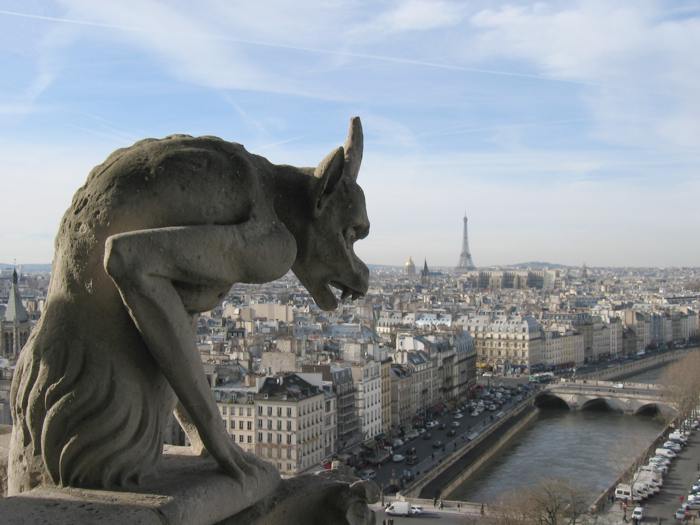
Parisian tourism has profoundly influenced global perceptions of art, fashion, romance, and gastronomy. The city's iconic landmarks, such as the Eiffel Tower and the Arc de Triomphe, have become universally recognized symbols, replicated and referenced in media worldwide. The Louvre Museum, home to the Mona Lisa, sets a benchmark for museum experiences globally, influencing exhibition design and visitor engagement strategies. Parisian fashion houses like Chanel and Dior have historically defined trends, with Paris Fashion Week remaining a pivotal event in the industry, attracting buyers, media, and enthusiasts. The city's culinary reputation, built on centuries of tradition and innovation, has inspired countless restaurants and food movements internationally, solidifying its status as a gastronomic capital.
⚡ Current State & Latest Developments
The immediate aftermath of the COVID-19 pandemic saw a dramatic downturn, with international arrivals plummeting in 2020 and 2021. However, by 2022, recovery began, with visitor numbers showing significant rebound. The city is actively preparing for major events, including the 2024 Summer Olympics, which is expected to provide a substantial boost to tourism and necessitate significant infrastructure upgrades. There's a growing emphasis on sustainable tourism, with initiatives aimed at reducing the environmental impact of mass travel and promoting local experiences. Digitalization is also transforming the sector, with increased use of apps for navigation, booking, and virtual tours, as seen with platforms like GetYourGuide.
🤔 Controversies & Debates
The concentration of tourists in certain areas, particularly around the Eiffel Tower and the Louvre Museum, leads to issues of overcrowding and 'overtourism,' straining local infrastructure and impacting residents' quality of life. Debates persist regarding the balance between maximizing tourism revenue and preserving the authentic character of Parisian neighborhoods. The economic reliance on tourism also makes the city vulnerable to external shocks, as demonstrated by the pandemic's impact. Furthermore, the high cost of accommodation and attractions can be a barrier for some potential visitors, leading to discussions about accessibility and affordability. The management of large-scale events, like the Olympics, also sparks controversy regarding security, displacement, and long-term economic benefits versus costs.
🔮 Future Outlook & Predictions
The future of Paris tourism hinges on its ability to adapt to evolving traveler preferences and global challenges. A continued focus on sustainable and responsible tourism is anticipated, with greater emphasis on ecotourism and community-based experiences. The city is likely to leverage technology further, integrating augmented reality for immersive historical tours and personalized visitor services. Post-Olympics, there's potential for a sustained increase in tourism if the infrastructure improvements and enhanced global profile are effectively maintained. Diversifying attractions beyond the 'top 10' landmarks and promoting lesser-known arrondissements could help distribute visitor flow and offer richer, more authentic experiences. The rise of 'bleisure' travel (combining business and leisure) may also present new opportunities.
💡 Practical Applications
Parisian tourism offers numerous practical applications and experiences. For individuals, it means access to unparalleled cultural heritage, from the masterpieces at the Musée d'Orsay to the Gothic grandeur of Notre Dame Cathedral. For businesses, it drives demand for hospitality services, retail, transportation, and cultural event management. The city's infrastructure, including its extensive Paris Métro system and international airports like Charles de Gaulle Airport, serves as a model for urban transit and connectivity. Educational institutions within Paris offer programs in hospitality management, art history, and fashion, attracting students worldwide who contribute to the city's intellectual vibrancy. The culinary sector benefits immensely, with chefs and restaurateurs drawing inspiration from
Key Facts
- Category
- culture
- Type
- topic