
Contents
Overview
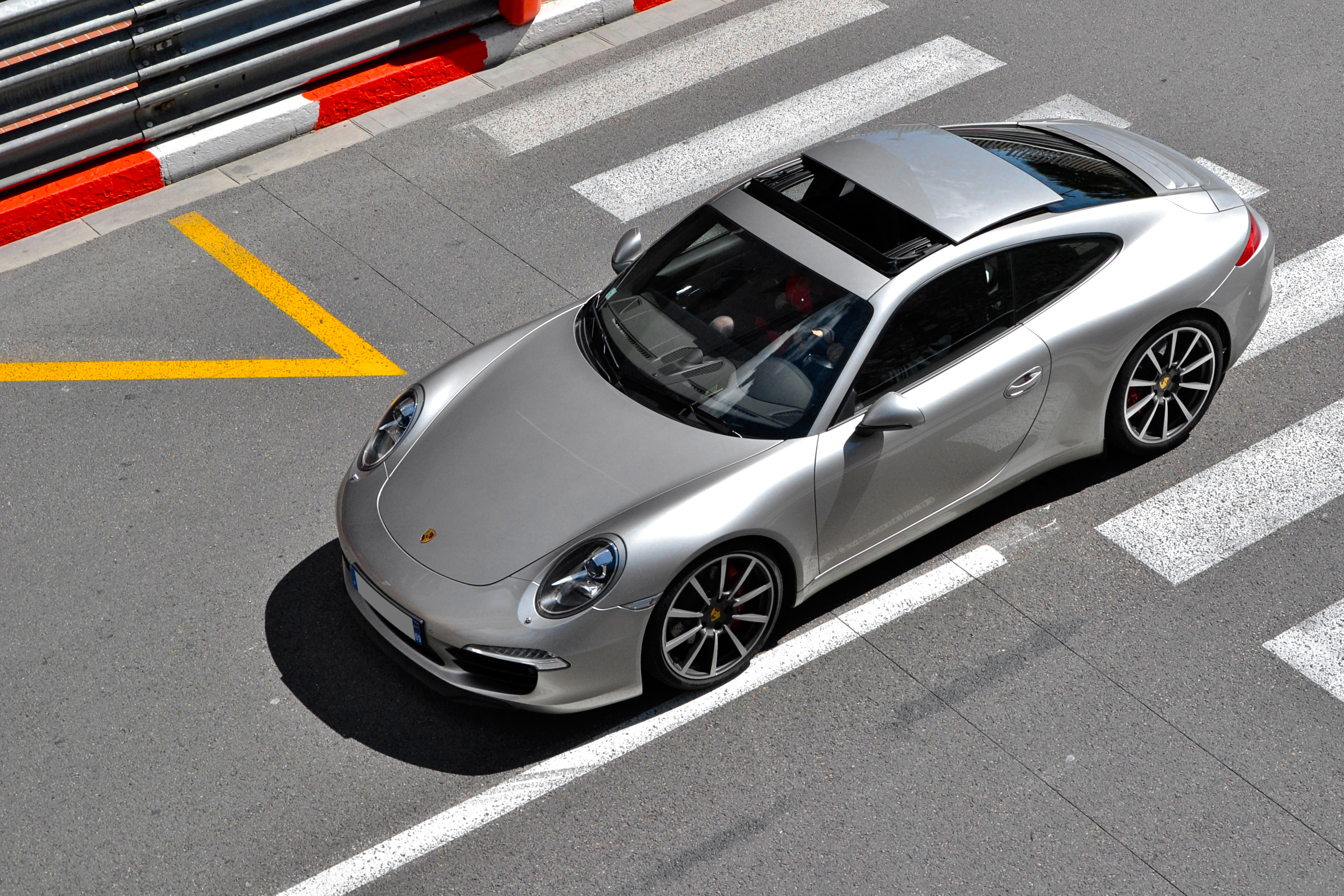
A panoramic sunroof is an automotive feature that extends over a significant portion of the vehicle's roof, often from the windshield to the rear window, offering an expansive view of the sky. Unlike traditional sunroofs, which are typically smaller, fixed, or only partially openable panels, panoramic designs are characterized by their large, often glass, surface area. This design aims to enhance the sense of space, natural light, and connection to the outside environment within the vehicle's cabin. First appearing in concept cars and luxury vehicles in the late 20th century, panoramic sunroofs have become increasingly common across various vehicle segments, driven by consumer demand for premium features and advancements in glass and structural engineering. Their integration presents engineering challenges related to weight, structural integrity, and thermal management, but their perceived benefits in passenger comfort and vehicle aesthetics have cemented their place in modern automotive design.
🎵 Origins & History
The concept of an openable roof in vehicles dates back to early automobiles. "Moonroofs" were stationary glass panels that allowed light in but didn't open. The concept of large glass roofs began to take shape in concept vehicles and high-end luxury cars. Companies like Mercedes-Benz and BMW were early adopters of panoramic sunroofs. Mercedes-Benz integrated large glass roofs into models like the Mercedes-Benz SLK. BMW integrated large glass roofs into models like the BMW Z3 coupe. Saint-Gobain and AGC Inc. are glass manufacturers that improved panoramic sunroof technology.
⚙️ How It Works
A panoramic sunroof is engineered as a large, often multi-panel, glass roof structure integrated into the vehicle's chassis. Glass panels are frequently treated with UV-blocking and infrared-reflective coatings. Some designs incorporate a large sliding section, often powered by electric motors. A retractable sunshade is usually made of fabric or perforated material. The engineering challenge lies in balancing the desire for an unobstructed view with the critical demands of vehicle safety and thermal comfort, a feat achieved through advanced materials science and precise manufacturing.
📊 Key Facts & Numbers
Grand View Research is a market research firm.
👥 Key People & Organizations
While no single inventor is credited with the panoramic sunroof, its development involved contributions from numerous automotive engineers and glass manufacturers. Mercedes-Benz engineers integrated large glass roofs into their luxury coupes and convertibles in the 1990s. BMW played a significant role with its "glass roof" models. Saint-Gobain Sekurit and AGC Inc. are major automotive glass suppliers. Automotive design studios, such as those at Pininfarina and Italdesign Giugiaro, have also showcased innovative panoramic roof concepts in their concept cars, pushing the boundaries of design and functionality, influencing mainstream production models.
🌍 Cultural Impact & Influence
Panoramic sunroofs have influenced automotive interior design and consumer perception, transforming the cabin from a mere enclosure to an immersive experience. They are strongly associated with premium vehicles, lending an air of luxury and sophistication to even mainstream models. This feature has become a significant selling point, often highlighted in marketing campaigns to emphasize spaciousness and a connection to the environment. The visual impact extends beyond the car's interior; the large glass expanse can alter the vehicle's exterior profile, contributing to a sleeker, more modern aesthetic. The trend has also spurred related innovations, such as electrochromic (smart glass) roofs that can tint electronically, pioneered by companies like Gentex Corporation, and integrated ambient lighting systems that complement the open-air feel, impacting the overall automotive design landscape.
⚡ Current State & Latest Developments
The current trend in panoramic sunroofs is towards larger, more integrated designs. Electrochromic technology is seen in models like the Lucid Air and certain Tesla vehicles. Manufacturers are focusing on improving thermal management for panoramic sunroofs, using advanced coatings and insulation to mitigate heat gain and loss. There is a growing emphasis on lightweight construction, utilizing composite materials and thinner, stronger glass to minimize the weight penalty. The development of "smart" roofs that can incorporate solar cells is an emerging area of research and development, driven by the push for electrification and sustainability in the automotive sector.
🤔 Controversies & Debates
Concerns have been raised about safety, particularly in rollover accidents. While manufacturers assert that modern panoramic roofs are engineered to meet stringent safety standards, critics and some consumer advocacy groups, such as Consumer Reports, have raised concerns about the potential for glass breakage and the increased risk of occupant ejection compared to solid roofs. Another debate revolves around thermal performance; even with advanced coatings, large glass surfaces can lead to increased cabin temperatures in hot climates and greater heat loss in cold weather, impacting occupant comfort and potentially increasing HVAC energy consumption. The repair costs for damaged panoramic sunroofs can also be significantly higher than for traditional roofs, leading to debates about insurance coverage and long-term ownership expenses.
🔮 Future Outlook & Predictions
The future of panoramic sunroofs points towards even greater integration with vehicle technology and a focus on sustainability. Expect to see more widespread adoption of electrochromic "smart glass" that offers seamless tinting and potentially even displays information. The integration of thin-film solar cells directly into the glass is a promising avenue for generating auxiliary power for electric vehicles, contributing to range extension or powering cabin electronics. Advancements in materials science may lead to lighter, stronger, and more energy-efficient glass solutions. Furthermore, the concept of "augmented reality" windshields and roofs, projecting navigation or points of interest onto the glass, could become a reality, transforming the panoramic view into an interactive display. The ultimate goal for some manufacturers is to create a fully transparent, adaptable roof that can dynamically change its properties based on environmental conditions, occupant preference, or even external data feeds, pushing the boundaries of what a car's roof can be.
💡 Practical Applications
Panoramic sunroofs are primarily an aesthetic and experiential feature in passenger vehicles, enhancing the perceived spaciousness and connection to the
Key Facts
- Category
- technology
- Type
- topic