
Contents
Overview
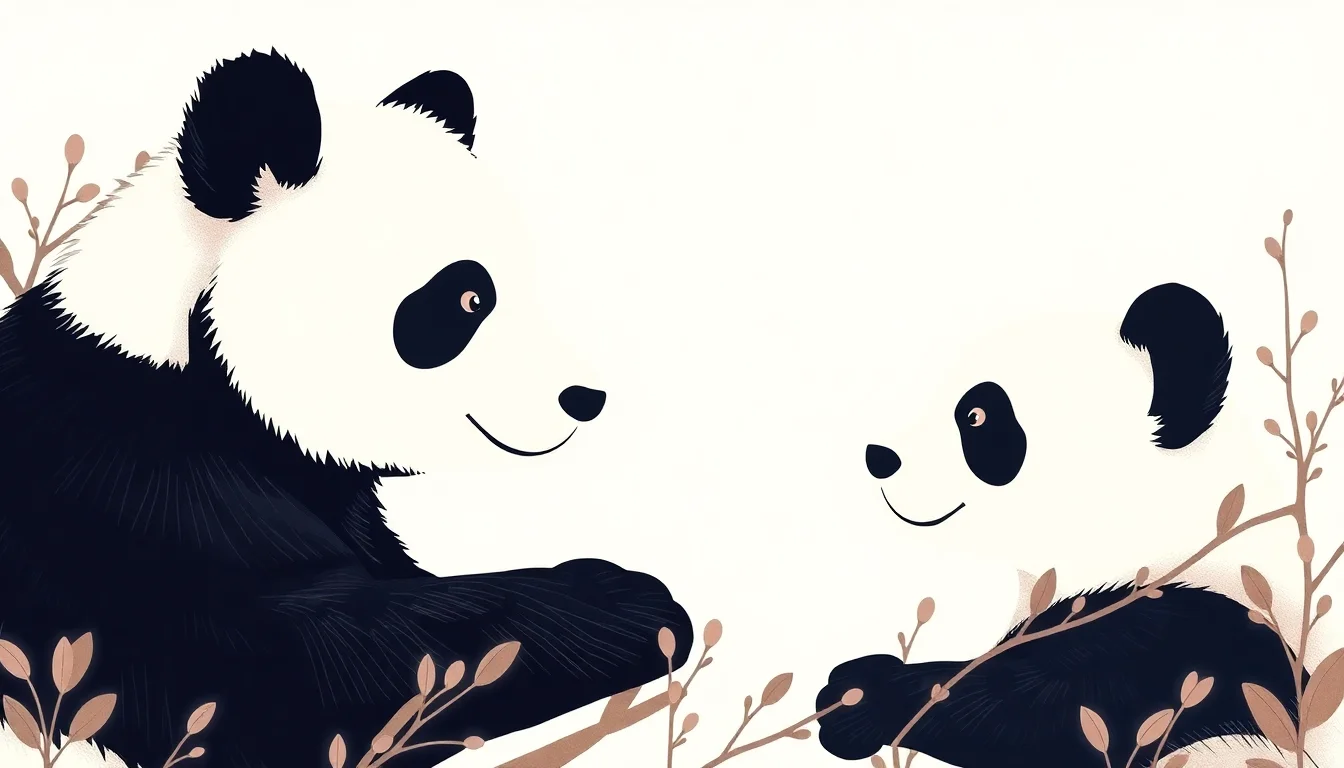
Panda graphics in user experience (UX) design leverage the inherent charm and widespread appeal of the giant panda to enhance digital product engagement. This aesthetic approach utilizes the creature's distinctive black-and-white markings, gentle demeanor, and iconic status to foster emotional connections with users. From playful mascots guiding users through onboarding to subtle visual cues reinforcing brand identity, panda graphics can inject personality and warmth into interfaces. While not a formal design methodology, its application spans mobile apps, websites, and even enterprise software, aiming to reduce user friction and increase memorability. The effectiveness hinges on tasteful integration, avoiding overuse that could lead to perceived childishness or distraction, and aligning with the overall brand strategy and target audience.
🎵 Origins & History
The visual appeal of the giant panda has long transcended its zoological origins, permeating global culture. The incorporation of animal mascots into branding and communication has a much deeper history, dating back to early heraldry and advertising. The adoption of panda graphics in digital interfaces, however, is a more recent phenomenon, largely catalyzed by the explosion of mobile apps and the increasing demand for emotionally resonant digital experiences. Early examples might have been ad-hoc, but the trend solidified as designers recognized the panda's universal recognition and positive associations, moving beyond mere decoration to become functional elements within the user journey, as seen in early iterations of educational apps or children's games.
⚙️ How It Works
Panda graphics function within UX design by serving as visual anchors that communicate information, guide actions, or evoke specific emotions. Their distinctive black-and-white coloration makes them highly visible against varied backgrounds, aiding in contrast and focus. Designers employ pandas as characters to personify software, making complex processes feel more approachable. For instance, a panda might animate to celebrate a user's achievement, offer tips during a tutorial, or represent a loading state with a playful animation. The inherent cuteness and perceived gentleness of the panda can also be leveraged to soften potentially intimidating interfaces or to reinforce a brand's friendly, accessible persona. This visual language taps into established psychological responses, aiming to create a more intuitive and less sterile interaction.
📊 Key Facts & Numbers
While precise market data on 'panda graphics in UX' is scarce, related metrics offer insight. Organizations that champion conservation have inadvertently popularized the imagery. The World Wildlife Fund (WWF) uses the panda as its logo, demonstrating the power of this single image. Organizations like Studio Gorm or Buck Design have created numerous animated characters for various brands, some of which may have incorporated panda-like elements. While no single UX designer is solely credited with pioneering panda graphics, individuals like Jony Ive at Apple Inc. have demonstrated the power of strong, consistent visual identity in product design, setting a precedent for how characters can define a user experience.
👥 Key People & Organizations
The cultural impact of panda graphics in UX is largely tied to the panda's broader status as a symbol of peace, conservation, and gentle strength. Its presence in digital interfaces can evoke feelings of comfort and familiarity, drawing on decades of positive media representation. In the digital realm, this translates to interfaces that feel less transactional and more relational. Brands that employ panda graphics often aim to cultivate a 'wholesome' or 'friendly' vibe, differentiating themselves in crowded markets by offering a distinct, emotionally resonant personality that can foster brand loyalty and positive word-of-mouth.
🌍 Cultural Impact & Influence
Currently, panda graphics are seeing a resurgence, particularly within the mobile app ecosystem and the burgeoning Web3 space, where unique digital avatars and mascots are highly valued. Platforms like Discord and Telegram often feature custom emoji packs that include pandas, allowing users to express themselves with these familiar characters. The rise of AI-generated art tools also presents new avenues for creating bespoke panda-themed UI elements, though quality and consistency remain key challenges. Designers are increasingly experimenting with subtle animations and interactive panda elements that respond to user input, moving beyond static imagery to create more dynamic and engaging experiences, especially in educational and entertainment applications.
⚡ Current State & Latest Developments
The primary controversy surrounding panda graphics in UX centers on their potential for perceived immaturity or unprofessionalism. While effective for certain demographics and product types (e.g., children's apps, casual games, eco-conscious brands), their use in enterprise software, financial services, or high-stakes professional tools can undermine credibility. Critics argue that relying on 'cute' imagery can be a shortcut that distracts from genuine usability issues, suggesting that a well-designed interface should be intuitive regardless of decorative elements. There's also the risk of cultural appropriation or misinterpretation if the panda's symbolism is not handled with care, particularly when used by brands outside of China or those not aligned with conservation efforts. The debate often boils down to audience appropriateness and the balance between personality and professionalism.
🤔 Controversies & Debates
The future of panda graphics in UX design will likely see more sophisticated integration and personalization. As AI and machine learning advance, we can expect interactive panda characters that adapt their behavior and communication style based on individual user preferences and interaction history. This could lead to highly personalized onboarding experiences or AI assistants embodied by pandas. Furthermore, the increasing demand for accessible design might see pandas used to create clearer visual cues for users with cognitive impairments, leveraging their distinct forms for intuitive navigation. The ongoing trend towards 'cozy gaming' and 'comfort apps' also suggests a continued demand for charming, character-driven interfaces, ensuring the panda's place in the designer's toolkit for years to come.
🔮 Future Outlook & Predictions
Panda graphics find practical application across a diverse range of digital products. In mobile games, they serve as player avatars, non-player characters (NPCs), or visual rewards. Educational apps for children frequently use pandas as friendly guides to explain concepts, making learning more engaging. On websites, a panda mascot can animate to indicate loading times, provide customer support via chatbots, or serve as a recurring visual theme for a brand focused on nature or sustainability, such as the WWF's online presence. E-commerce platforms might use panda imagery to highlight special promotions or create themed shopping experiences. Even in productivity tools, a subtle panda animation can offer positive reinforcement for task completion.
💡 Practical Applications
The use of animal mascots in branding is a broad topic, with ducks in software (like Duolingo) and birds in social media (Twitter) offering parallels. The concept of gamification in UX design, which often employs characters and rewards, is closely related. Understanding the psychological principles behind color theory and visual hierarchy is crucial for effective graphic integration. For those interested in the cultural significance of pandas, exploring Chinese culture and the history of diplomatic gifts provides deeper context. Further reading on character design for digital media and [[bra
Key Facts
- Category
- aesthetics
- Type
- topic