
Contents
Overview
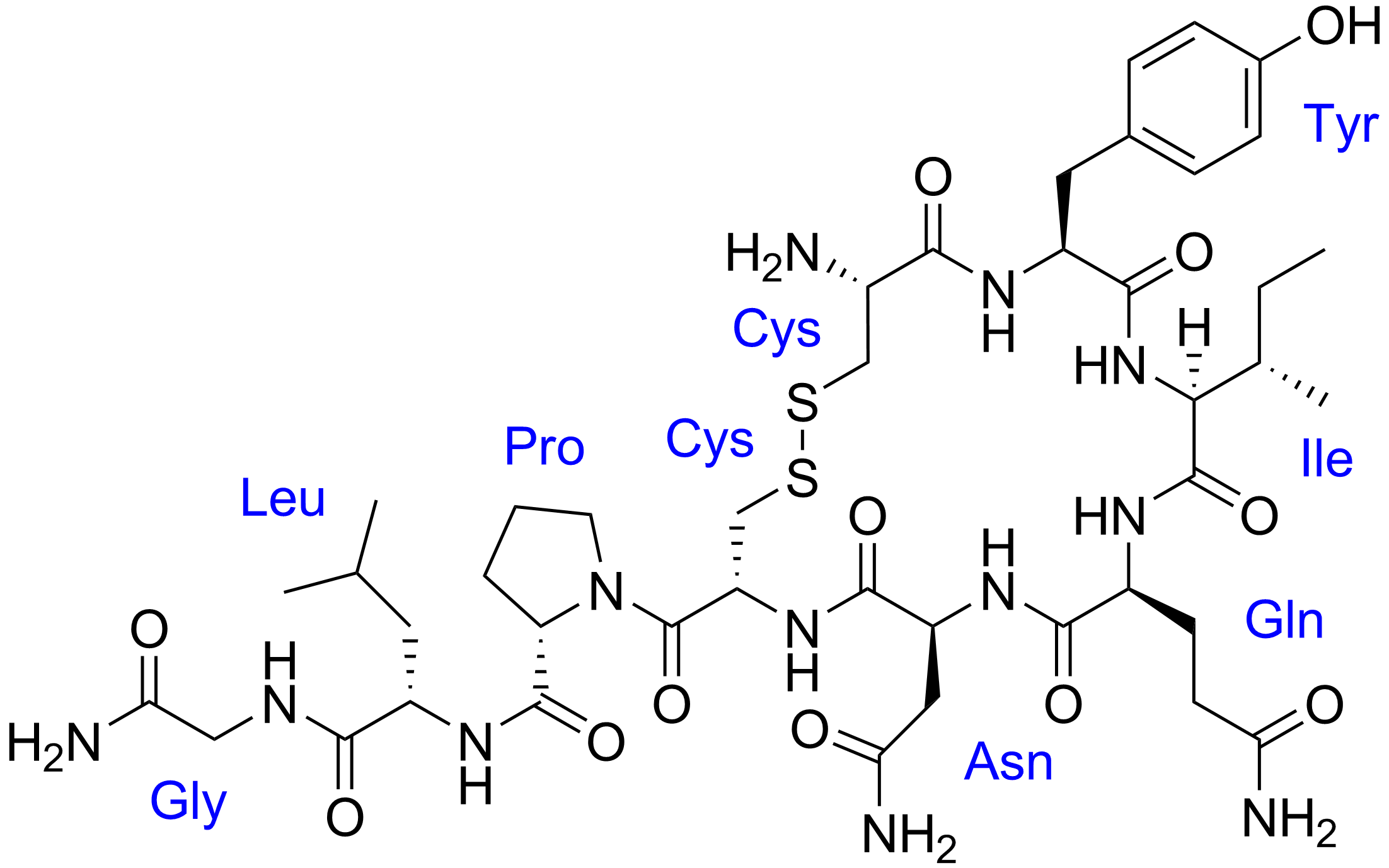
Oxytocin augmentation refers to the administration of exogenous oxytocin, a neuropeptide naturally produced in the hypothalamus, to enhance its effects on social bonding, trust, and empathy. While synthetic oxytocin is a well-established medical tool for inducing labor and controlling postpartum hemorrhage, its use as a therapeutic agent or cognitive enhancer for conditions like autism spectrum disorder, social anxiety, and depression is a rapidly evolving and highly debated field. Administered primarily via intranasal spray, this method bypasses systemic circulation to target brain regions involved in social cognition, though its efficacy, optimal dosing, and long-term effects remain subjects of intense research and controversy. The potential for oxytocin to modulate social behavior raises profound ethical questions about consent, manipulation, and the very nature of human connection.
🎵 Origins & History
The story of oxytocin augmentation is inextricably linked to the discovery of oxytocin itself. Early research in the 1970s and 1980s, notably by scientists like Sue Carter, began to explore its role beyond reproduction, hinting at its involvement in social behaviors in voles and other mammals. The concept of 'augmentation'—deliberately increasing oxytocin levels to influence social cognition—gained significant traction, spurred by studies suggesting intranasal oxytocin could enhance trust and empathy in humans. This shift from a purely reproductive hormone to a potential neuromodulator for social deficits marked a pivotal moment, moving oxytocin from the delivery room to the research lab and, eventually, to the fringes of self-enhancement culture.
⚙️ How It Works
Oxytocin augmentation, particularly via intranasal administration, operates by delivering the peptide directly to the brain. Unlike intravenous or intramuscular administration, which primarily targets peripheral receptors for obstetric purposes, the intranasal route allows oxytocin to travel along the olfactory nerve. Once in the central nervous system, it binds to oxytocin receptors in key brain areas such as the amygdala, hypothalamus, and prefrontal cortex. These regions are critical for processing social cues, regulating emotions, and facilitating social bonding. The augmentation aims to amplify these natural pathways, theoretically enhancing prosocial behaviors like trust, empathy, and social recognition, though the precise mechanisms and variability in individual responses are still under active investigation by researchers at institutions like Yale University and Cambridge University.
📊 Key Facts & Numbers
The market for oxytocin augmentation is difficult to quantify precisely due to its status as a prescription drug and its use in off-label research and unregulated supplements. Studies investigating intranasal oxytocin for therapeutic purposes have involved hundreds to thousands of participants. The cost of intranasal oxytocin can range from $50 to $200 per vial for research-grade preparations, with prescription versions varying by insurance and pharmacy. Reports indicate that up to 70% of individuals in some studies show a positive response in specific social tasks after intranasal oxytocin administration, though this figure is highly context-dependent.
👥 Key People & Organizations
Key figures in oxytocin augmentation research include Paul Zak, whose work at the Center for Neuroeconomics Studies at Claremont Graduate University popularized the idea of oxytocin as the 'moral molecule' and its potential to foster trust. Sue Carter, a distinguished professor at the Kinsey Institute, has been a foundational researcher in the neurobiology of social behavior, extensively studying oxytocin's role in bonding across species. René Maricq and Tom Blundell were instrumental in the early chemical synthesis and structural elucidation of oxytocin. Pharmaceutical companies like Novartis and Pfizer have historically been involved in the production of synthetic oxytocin for medical use, while numerous academic institutions and specialized research labs, such as those at UCLA and the Max Planck Society, are at the forefront of current therapeutic research.
🌍 Cultural Impact & Influence
Oxytocin augmentation has permeated popular culture, often sensationalized as a 'love drug' or 'trust serum.' This has led to its depiction in media, influencing public perception and sparking interest in its potential for personal enhancement. The concept has also fueled discussions in bioethics and philosophy regarding the manipulation of social emotions and the authenticity of artificially induced bonding. While scientific research focuses on clinical applications for conditions like autism spectrum disorder and schizophrenia, the popular imagination has latched onto its potential for improving relationships, increasing charisma, and even enhancing athletic performance. This cultural resonance, amplified by online communities and wellness influencers, has created a complex landscape where scientific inquiry intersects with widespread public fascination and sometimes misguided expectations, as seen in discussions on platforms like Reddit.
⚡ Current State & Latest Developments
The current state of oxytocin augmentation is characterized by ongoing clinical trials and a growing body of research exploring its therapeutic potential. Researchers are also examining its effects on pair bonding and its role in various psychiatric conditions. Simultaneously, the availability of unregulated oxytocin nasal sprays online presents a challenge, with concerns about product purity, dosage accuracy, and potential misuse. Regulatory bodies like the FDA are closely monitoring these developments, balancing the promise of therapeutic innovation with the need for rigorous safety and efficacy validation.
🤔 Controversies & Debates
The controversies surrounding oxytocin augmentation are multifaceted. A primary debate centers on efficacy: while some studies show positive effects on social cognition, others find no significant impact or even negative consequences, such as increased in-group favoritism and out-group hostility. The ethical implications are profound, raising questions about consent, particularly when used in therapeutic contexts where individuals may have impaired social judgment. Critics worry about the potential for oxytocin to be used coercively, to enhance manipulative behaviors, or to create a false sense of intimacy. Furthermore, the distinction between therapeutic use and enhancement is blurred, leading to debates about whether artificially boosting prosocial behaviors undermines genuine human connection and autonomy. The lack of standardized dosing protocols and the variability in individual responses, influenced by genetics and environmental factors, add further layers to these complex discussions.
🔮 Future Outlook & Predictions
The future of oxytocin augmentation likely involves more targeted therapeutic applications and a deeper understanding of its nuanced effects. We can anticipate further clinical trials focusing on specific patient populations, potentially leading to FDA-approved treatments for certain social and psychiatric disorders within the next 5-10 years. Research will likely delve into personalized approaches, identifying biomarkers or genetic factors that predict response to oxytocin. The development of more selective oxytocin receptor agonists or antagonists could offer greater control over its effects, minimizing side effects and enhancing therapeutic precision. However, the ethical debates will undoubtedly intensify as the technology becomes more sophisticated, necessitating robust regulatory frameworks and public discourse on the responsible use of neurochemical interventions to modulate human social behavior. The potential for misuse in non-therapeutic contexts will also remain a significant concern.
💡 Practical Applications
Beyond its established use in obstetrics, oxytocin augmentation's practical applications are primarily in clinical research set
Key Facts
- Category
- science
- Type
- topic