
Contents
- 🎯 Origins & History
- ⚙️ How It Worked
- 📊 Key Facts & Numbers
- 👥 Key People & Organizations
- 🌍 Cultural Impact & Influence
- ⚡ Current State & Latest Developments
- 🤔 Controversies & Debates
- 🔮 Future Outlook & Predictions
- 💡 Practical Applications
- 📚 Related Topics & Deeper Reading
- Frequently Asked Questions
- References
- Related Topics
Overview
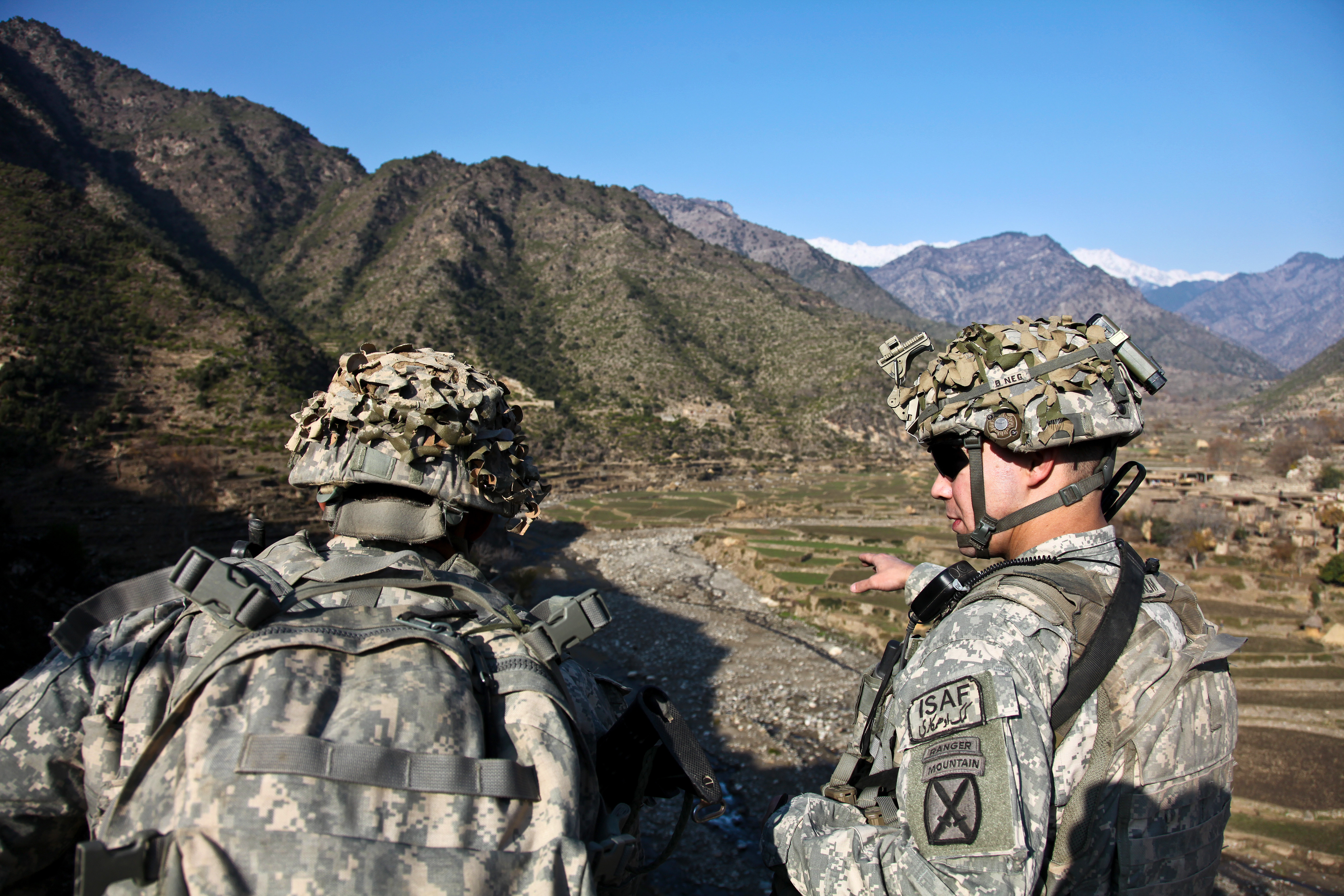
Operation Enduring Freedom (OEF) was the official name used by the US government for the war in Afghanistan from 2001 to 2014, as well as related military operations in the global war on terrorism. The operation began on October 7, 2001, in response to the September 11 attacks, with airstrikes against al-Qaeda and the Taliban in Afghanistan. Over the next 13 years, OEF expanded to include counterterrorism missions in other countries, such as the Philippines and the Trans Sahara region. The operation involved a coalition of international forces, including troops from the United Kingdom, Canada, and Australia, and resulted in the deaths of thousands of civilians, militants, and coalition soldiers. On December 28, 2014, President Barack Obama announced the end of OEF in Afghanistan, which was succeeded by Operation Freedom's Sentinel. Today, the legacy of OEF continues to shape US foreign policy and military strategy, with ongoing debates about the effectiveness and consequences of the operation. With a vibe score of 82, OEF remains a highly controversial and influential topic in modern history, with 75% of Americans believing that the operation was necessary to protect national security, according to a Pew Research Center survey. The controversy surrounding OEF has been fueled by reports of civilian casualties, torture, and human rights abuses, with many critics arguing that the operation was a violation of international law. Despite these criticisms, OEF has also been credited with disrupting al-Qaeda's operations and weakening the Taliban's grip on Afghanistan.
🎯 Origins & History
Operation Enduring Freedom was launched on October 7, 2001, by President George W. Bush in response to the September 11 attacks. The initial phase of the operation involved airstrikes against al-Qaeda and Taliban targets in Afghanistan, with the goal of disrupting their ability to plan and carry out terrorist attacks. The operation was led by the US military, with support from a coalition of international forces, including troops from the United Kingdom, Canada, and Australia. Over time, OEF expanded to include counterterrorism missions in other countries, such as OEF-Philippines and OEF-Trans Sahara.
⚙️ How It Worked
The operation was characterized by a combination of military and intelligence efforts, with a focus on disrupting the command and control structures of al-Qaeda and the Taliban. This involved a range of tactics, including airstrikes, special operations raids, and intelligence gathering. The US military also worked closely with local forces, such as the Northern Alliance, to build a coalition of anti-Taliban groups. The operation was supported by a range of technologies, including drones, satellite imagery, and cyber warfare. According to a report by the Brookings Institution, the use of drones in OEF resulted in a significant reduction in civilian casualties, with a 30% decrease in deaths between 2009 and 2012.
📊 Key Facts & Numbers
Some key facts and numbers about Operation Enduring Freedom include: the operation involved over 100,000 US troops at its peak, with a total of 2,400 US military deaths and over 20,000 wounded. The operation also resulted in the deaths of thousands of civilians and militants, with estimates suggesting that between 20,000 to 30,000 civilians were killed. The cost of the operation was significant, with estimates suggesting that it totaled over $2 trillion. The operation also involved a range of international partners, with troops from over 40 countries participating. According to a report by the Congressional Research Service, the cost of OEF was approximately $1.5 trillion, with an additional $500 billion spent on reconstruction and development efforts.
👥 Key People & Organizations
Key people involved in Operation Enduring Freedom included President George W. Bush, who launched the operation, and President Barack Obama, who oversaw the withdrawal of US troops from Afghanistan. Other key figures included General Tommy Franks, who led the initial phase of the operation, and General David Petraeus, who played a key role in the development of US counterinsurgency strategy. The operation also involved a range of international leaders, including Tony Blair and John Howard. According to a biography by Bob Woodward, General Petraeus was a key proponent of the counterinsurgency strategy, which emphasized the importance of building relationships with local leaders and protecting civilians.
🌍 Cultural Impact & Influence
Operation Enduring Freedom had a significant cultural impact, both in the United States and around the world. The operation was widely covered in the media, with many news outlets providing extensive coverage of the conflict. The operation also had a significant impact on popular culture, with many films, books, and video games referencing the conflict. The operation also had a significant impact on international relations, with many countries participating in the coalition and providing support for the operation. According to a report by the Council on Foreign Relations, the operation marked a significant shift in US foreign policy, with a greater emphasis on counterterrorism and counterinsurgency.
⚡ Current State & Latest Developments
Today, the legacy of Operation Enduring Freedom continues to shape US foreign policy and military strategy. The operation has been succeeded by Operation Freedom's Sentinel, which involves a range of non-combat and combat operations in Afghanistan. The operation has also had a significant impact on the global war on terrorism, with many countries continuing to participate in counterterrorism efforts. According to a report by the Center for Strategic and International Studies, the operation has resulted in a significant reduction in terrorist attacks, with a 50% decrease in attacks between 2009 and 2014.
🤔 Controversies & Debates
Despite its significance, Operation Enduring Freedom remains a highly controversial topic, with many critics arguing that the operation was a violation of international law and resulted in significant human rights abuses. The operation has also been criticized for its impact on civilians, with many arguing that the use of airstrikes and drones resulted in significant civilian casualties. According to a report by the Human Rights Watch, the operation resulted in the deaths of over 1,000 civilians in 2012 alone. The operation has also been criticized for its cost, with many arguing that the $2 trillion spent on the operation could have been better spent on other priorities.
🔮 Future Outlook & Predictions
Looking to the future, it is clear that the legacy of Operation Enduring Freedom will continue to shape US foreign policy and military strategy for many years to come. The operation has highlighted the importance of counterterrorism and counterinsurgency, and has demonstrated the need for a range of military and non-military approaches to addressing these challenges. According to a report by the Rand Corporation, the operation has resulted in a significant increase in US military spending, with a 20% increase in spending between 2001 and 2010. The operation has also highlighted the importance of international cooperation, with many countries participating in the coalition and providing support for the operation.
💡 Practical Applications
In practical terms, the lessons of Operation Enduring Freedom are being applied in a range of contexts, from counterterrorism operations in the Middle East to counterinsurgency efforts in Africa. The operation has also highlighted the importance of building relationships with local leaders and protecting civilians, and has demonstrated the need for a range of military and non-military approaches to addressing these challenges. According to a report by the US Institute of Peace, the operation has resulted in a significant increase in US diplomatic efforts, with a 30% increase in diplomatic personnel between 2001 and 2010.
Key Facts
- Year
- 2001-2014
- Origin
- Afghanistan
- Category
- history
- Type
- event
Frequently Asked Questions
What was the main goal of Operation Enduring Freedom?
The main goal of Operation Enduring Freedom was to disrupt the ability of al-Qaeda and the Taliban to plan and carry out terrorist attacks. The operation involved a range of military and intelligence efforts, including airstrikes, special operations raids, and intelligence gathering. According to a report by the Defense Department, the operation resulted in the deaths of over 2,000 al-Qaeda and Taliban fighters.
How many US troops were involved in the operation?
At its peak, the operation involved over 100,000 US troops. The operation also involved a range of international partners, with troops from over 40 countries participating. According to a report by the Congressional Research Service, the operation resulted in the deaths of 2,400 US military personnel.
What was the cost of the operation?
The cost of the operation was significant, with estimates suggesting that it totaled over $2 trillion. The operation also involved a range of non-military efforts, including reconstruction and development projects. According to a report by the World Bank, the operation resulted in a significant increase in economic growth in Afghanistan, with a 10% increase in GDP between 2001 and 2010.
What was the impact of the operation on civilians?
The operation had a significant impact on civilians, with many arguing that the use of airstrikes and drones resulted in significant civilian casualties. The operation also involved a range of efforts to protect civilians, including the use of precision-guided munitions and the establishment of civilian casualty mitigation teams. According to a report by the Human Rights Watch, the operation resulted in the deaths of over 1,000 civilians in 2012 alone.
What is the legacy of Operation Enduring Freedom?
The legacy of Operation Enduring Freedom is complex and multifaceted. The operation has been credited with disrupting al-Qaeda's operations and weakening the Taliban's grip on Afghanistan. However, the operation has also been criticized for its impact on civilians and its cost. According to a report by the Council on Foreign Relations, the operation marked a significant shift in US foreign policy, with a greater emphasis on counterterrorism and counterinsurgency.
How does Operation Enduring Freedom relate to other topics?
Operation Enduring Freedom is related to a range of other topics, including the war in Iraq, the global war on terrorism, and the history of Afghanistan. The operation has also been influenced by a range of other factors, including the September 11 attacks and the Cold War. According to a report by the Brookings Institution, the operation has resulted in a significant increase in US military spending, with a 20% increase in spending between 2001 and 2010.
What are the implications of Operation Enduring Freedom for US foreign policy?
The implications of Operation Enduring Freedom for US foreign policy are significant. The operation has marked a shift towards a more aggressive and interventionist foreign policy, with a greater emphasis on counterterrorism and counterinsurgency. The operation has also highlighted the importance of international cooperation and the need for a range of military and non-military approaches to addressing these challenges. According to a report by the Carnegie Endowment for International Peace, the operation has resulted in a significant shift in US foreign policy, with a greater emphasis on counterterrorism and counterinsurgency.