
Contents
Overview
The practice of utilizing Japan's geothermal hot springs, or onsen, stretches back over a millennium. Historical records suggest onsen were recognized for their healing properties, with mentions appearing in classical literature like The Tale of Genji. Early onsen were often simple, open-air pools, frequented by samurai and monks alike for both physical recuperation and spiritual cleansing. The development of dedicated bathing facilities and inns, known as ryokan, evolved over centuries, as travel and leisure became more accessible to a wider populace. The modern onsen resort town, or onsen-gai, began to flourish in the late 19th and early 20th centuries, transforming natural springs into sophisticated destinations for health tourism, a trend that accelerated dramatically after World War II.
⚙️ How It Works
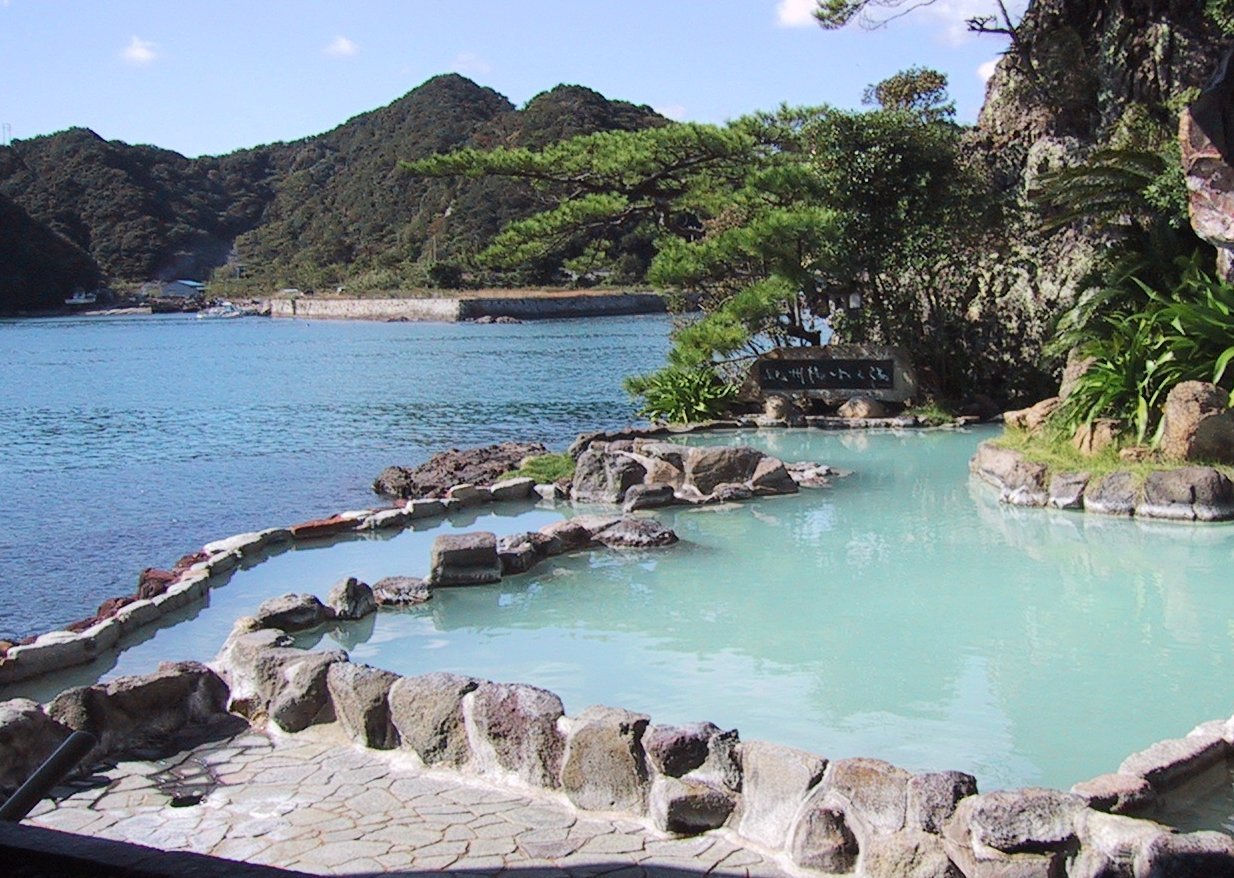
Onsen function by tapping into Japan's extensive network of geothermally active volcanic regions. Groundwater heated by magma deep beneath the Earth's surface rises, often enriched with minerals like sulfur, sodium, and calcium, before emerging as hot springs. The temperature of onsen water typically ranges from 25°C to over 42°C (77°F to 108°F), though some can be hotter. Bathing facilities are designed to channel this mineral-rich water into various pools, including outdoor baths (roten-buro) that offer scenic views, and indoor baths (uchiyu) for privacy and shelter. Water is often circulated to maintain temperature and hygiene, with strict regulations governing water quality and usage to ensure safety and therapeutic benefits.
📊 Key Facts & Numbers
Japan boasts an astonishing number of hot spring sources, with approximately 3,000 onsen establishments actively utilizing this natural resource. Onsen tourism is a significant economic driver. Popular onsen destinations like Hakone and Beppu attract millions of visitors each year, with some resorts featuring over 100 different bathing facilities. Over 80% of Japanese adults report having visited an onsen at least once in their lifetime, underscoring its widespread cultural penetration.
👥 Key People & Organizations
While no single individual is credited with "inventing" onsen, their cultural significance has been shaped by numerous figures and institutions. Early proponents of onsen therapy included Buddhist monks and Shinto priests who integrated hot spring bathing into spiritual practices. The development of modern onsen resorts owes much to the vision of early tourism entrepreneurs and local government initiatives aimed at promoting regional development. Organizations like the Japan Onsen Association play a crucial role in setting standards, promoting onsen tourism, and preserving traditional practices. Furthermore, influential hoteliers and ryokan owners, such as the families behind historic establishments like Tsurunoyu Onsen, have been instrumental in maintaining the authenticity and appeal of these destinations for generations.
🌍 Cultural Impact & Influence
Onsen are far more than just places to bathe; they are integral to Japanese culture, embodying concepts of purity, relaxation, and community. The ritual of onsen bathing, involving meticulous cleansing before entering the communal waters, reflects the Japanese emphasis on cleanliness and respect. Onsen have inspired countless works of art, literature, and film, often depicted as havens of tranquility and natural beauty. The distinct architectural styles of ryokan and roten-buro have influenced global spa design. Moreover, the communal aspect of onsen fosters social interaction and a sense of shared experience, reinforcing social bonds within Japanese society. The iconic ♨ symbol is instantly recognizable, signifying a place of warmth and rejuvenation across Japan.
⚡ Current State & Latest Developments
The onsen industry continues to adapt to contemporary demands while striving to preserve its heritage. In recent years, there's been a growing trend towards more luxurious and private onsen experiences, catering to international tourists and domestic visitors seeking exclusive retreats. Sustainability is also becoming a key focus, with many onsen operators implementing measures to conserve water and energy, and protect the natural environments surrounding their facilities. Digitalization is enhancing booking systems and guest experiences through apps and online platforms. Despite the rise of modern wellness trends, the traditional onsen remains a potent symbol of Japanese hospitality and a vital part of the country's tourism landscape, with ongoing efforts to promote lesser-known onsen regions and diversify offerings beyond simple bathing.
🤔 Controversies & Debates
The primary controversy surrounding onsen often revolves around hygiene and accessibility. Occasional outbreaks of infections linked to improperly maintained onsen have raised public health concerns. Another debate centers on tattoo policies; historically, tattoos were associated with organized crime (yakuza), leading many onsen to ban them. However, as international tourism increases, there's growing pressure to relax these rules, with some establishments now offering temporary tattoo coverings or designated "tattoo-friendly" times. Furthermore, the environmental impact of excessive water usage and geothermal energy extraction is a subject of ongoing discussion among conservationists and local communities.
🔮 Future Outlook & Predictions
The future of onsen is likely to see a continued blend of tradition and innovation. Expect further integration of advanced wellness technologies, such as personalized mineral baths and therapeutic light treatments, alongside traditional bathing. The concept of onsen tourism may expand globally, with Japanese onsen principles influencing spa development in other geothermally active regions. There's also potential for onsen to play a greater role in preventative healthcare and elder care, leveraging their therapeutic benefits. As climate change impacts water resources, innovative water management and energy efficiency will become paramount for long-term sustainability. The challenge will be to maintain the authentic cultural essence of onsen while adapting to evolving global wellness trends and environmental realities.
💡 Practical Applications
Onsen offer a wide array of practical applications, primarily centered around health, wellness, and tourism. The mineral-rich waters are believed to alleviate ailments such as muscle pain, arthritis, and skin conditions, making them a popular destination for therapeutic retreats. Beyond direct bathing, onsen water is sometimes used in local cuisine, such as in the cooking of eggs or in specialized dishes in onsen towns. The geothermal heat itself is also harnessed in some regions for heating buildings, greenhouses, and even for small-scale power generation, though this is less common than direct bathing. For travelers, onsen provide a unique cultural experience, offering a glimpse into Japanese hospitality, architecture, and social customs, making them a cornerstone of Japanese tourism.
Key Facts
- Category
- culture
- Type
- place