
Contents
Overview
Japanese aesthetics has its roots in ancient Japanese philosophy, particularly in the concepts of wabi (transient and stark beauty), sabi (the beauty of natural patina and aging), and yūgen (profound grace and subtlety). These ideals were influenced by Zen Buddhism and Shintoism, which emphasize the importance of living in harmony with nature. The famous Japanese poet, Matsuo Bashō, was a key figure in shaping Japanese aesthetics, as seen in his poetry and travel writings, such as Oku no Hosomichi.
🌸 Core Principles
At the heart of Japanese aesthetics are several core principles, including ma (the concept of empty space), iki (the aesthetic of simplicity and elegance), and wa (the concept of harmony and balance). These principles are reflected in various aspects of Japanese culture, such as ikebana (the art of flower arrangement), bonsai (the art of growing miniature trees), and tea ceremony. The renowned Japanese architect, Kenzō Tange, incorporated these principles into his designs, as seen in the Tokyo Olympic Stadium.
🏯 Cultural Impact
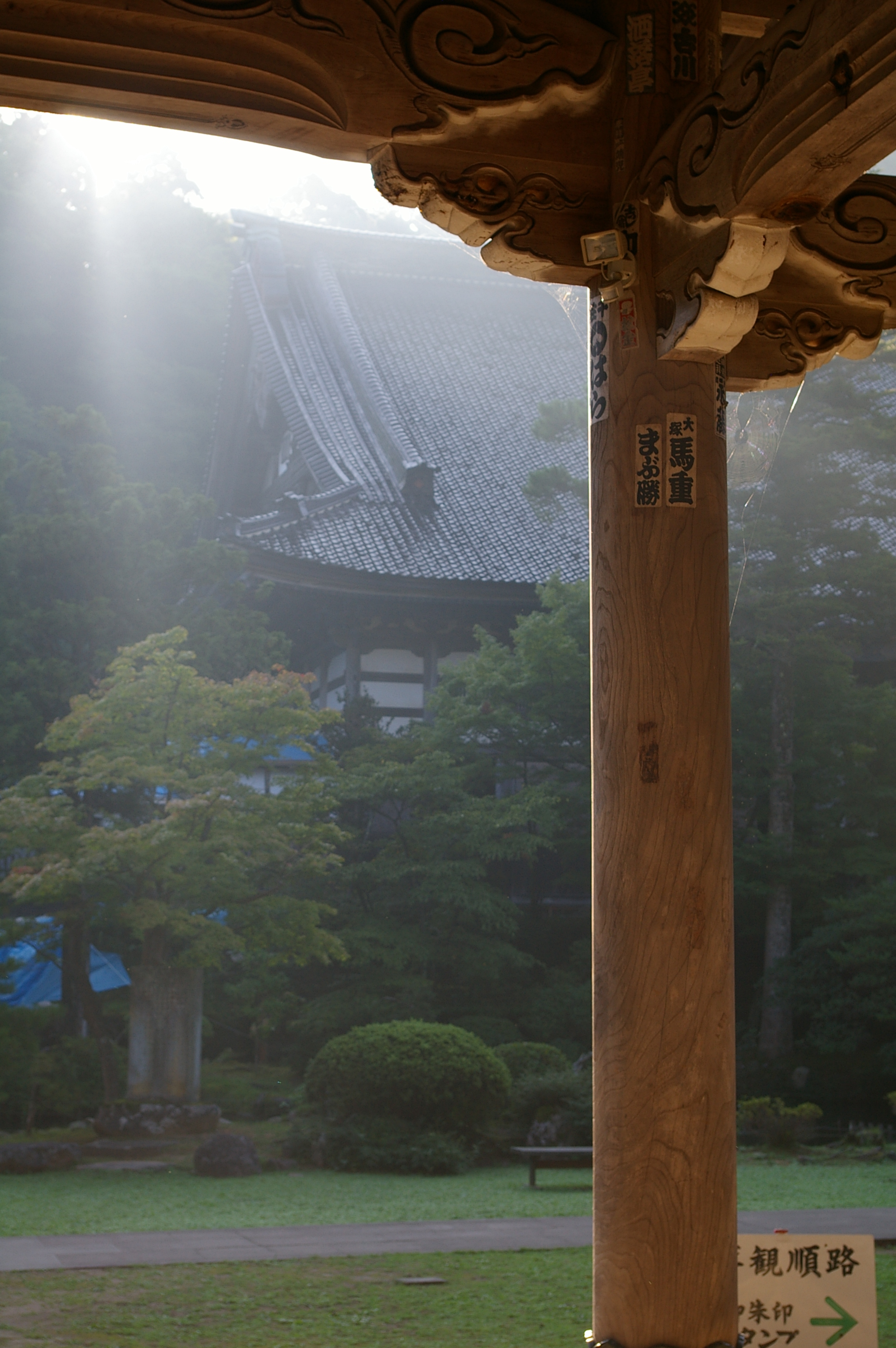
Japanese aesthetics has had a profound impact on global culture, influencing art, design, and architecture. The concept of wabi-sabi, in particular, has inspired designers and artists worldwide, including Marcel Breuer and Charles Rios. The Japanese concept of ma has also influenced the development of minimalism in Western art and design. Moreover, Japanese aesthetics has shaped the way people interact with nature, as seen in the design of Japanese gardens, which often feature stone lanterns and koi ponds.
🌟 Modern Interpretations
In modern times, Japanese aesthetics continues to evolve, incorporating new materials, technologies, and ideas. The concept of Japaneseness (the essence of Japanese culture) has been reinterpreted in various forms of media, including anime and manga. The works of Hayao Miyazaki and Akira Toriyama are examples of how Japanese aesthetics has influenced contemporary art and design. Furthermore, Japanese aesthetics has inspired a new generation of designers, such as Naoto Fukasawa, who have incorporated traditional principles into modern designs, as seen in the Muji brand.
Key Facts
- Year
- 17th century
- Origin
- Japan
- Category
- aesthetics
- Type
- concept
Frequently Asked Questions
What is the core principle of Japanese aesthetics?
How has Japanese aesthetics influenced global culture?
Japanese aesthetics has had a profound impact on global culture, influencing art, design, and architecture. The concept of wabi-sabi has inspired designers and artists worldwide, and the Japanese concept of ma has influenced the development of minimalism in Western art and design.
What is the significance of nature in Japanese aesthetics?
Nature plays a significant role in Japanese aesthetics, as seen in the design of Japanese gardens and the emphasis on natural materials in art and design. The concept of ma (the concept of empty space) is also closely tied to the natural world.
How has Japanese aesthetics evolved over time?
Japanese aesthetics has evolved over time, incorporating new materials, technologies, and ideas. The concept of Japaneseness (the essence of Japanese culture) has been reinterpreted in various forms of media, including anime and manga.
What is the relationship between Japanese aesthetics and Zen Buddhism?
Japanese aesthetics has been heavily influenced by Zen Buddhism, which emphasizes the importance of living in harmony with nature. The principles of Japanese aesthetics, such as wabi and sabi, reflect the Zen Buddhist emphasis on simplicity, impermanence, and the beauty of nature.