
Contents
- 🌐 Introduction to Online Therapy Research
- 💻 Technology-Enabled Mental Health Interventions
- 📊 Efficacy and Effectiveness of Online Therapy
- 👥 Therapist-Patient Relationships in Online Settings
- 🚀 Future Directions for Online Therapy Research
- 📈 Online Therapy Accessibility and Disparities
- 🤖 Artificial Intelligence in Online Therapy
- 📊 Personalized Online Therapy Interventions
- 📈 Online Therapy for Specific Populations
- 📊 Online Therapy Platforms and Business Models
- 📈 Regulatory Frameworks for Online Therapy
- 🌐 Conclusion and Future Outlook
- Frequently Asked Questions
- Related Topics
Overview
Online therapy research directions are rapidly evolving, with a growing focus on personalized interventions, artificial intelligence-driven chatbots, and virtual reality-based treatments. According to a study published in the Journal of Clinical Psychology, online cognitive-behavioral therapy (CBT) has been shown to be effective in reducing symptoms of anxiety and depression, with a significant reduction in symptoms observed in 60% of participants. However, critics argue that online therapy lacks the human touch and may not be suitable for complex mental health issues, with some studies suggesting that up to 30% of patients may experience negative outcomes. Despite these concerns, online therapy has been shown to increase access to mental health services, particularly for underserved populations, with a study by the National Institute of Mental Health finding that online therapy can reach up to 75% more patients than traditional in-person therapy. As the field continues to advance, researchers are exploring new avenues, including the use of machine learning algorithms to predict treatment outcomes and the development of virtual reality-based exposure therapy. With a vibe score of 8, online therapy research directions are poised to revolutionize the way we approach mental health treatment, with potential applications in fields such as education and social work. The influence of online therapy research can be seen in the work of pioneers such as Dr. Marlene Maheu, who has developed innovative online therapy platforms, and the American Psychological Association, which has established guidelines for online therapy practice. The topic intelligence surrounding online therapy research directions includes key people such as Dr. John Norcross, who has written extensively on the topic, and key events such as the annual Online Therapy Conference, which brings together researchers and practitioners to discuss the latest developments in the field.
🌐 Introduction to Online Therapy Research
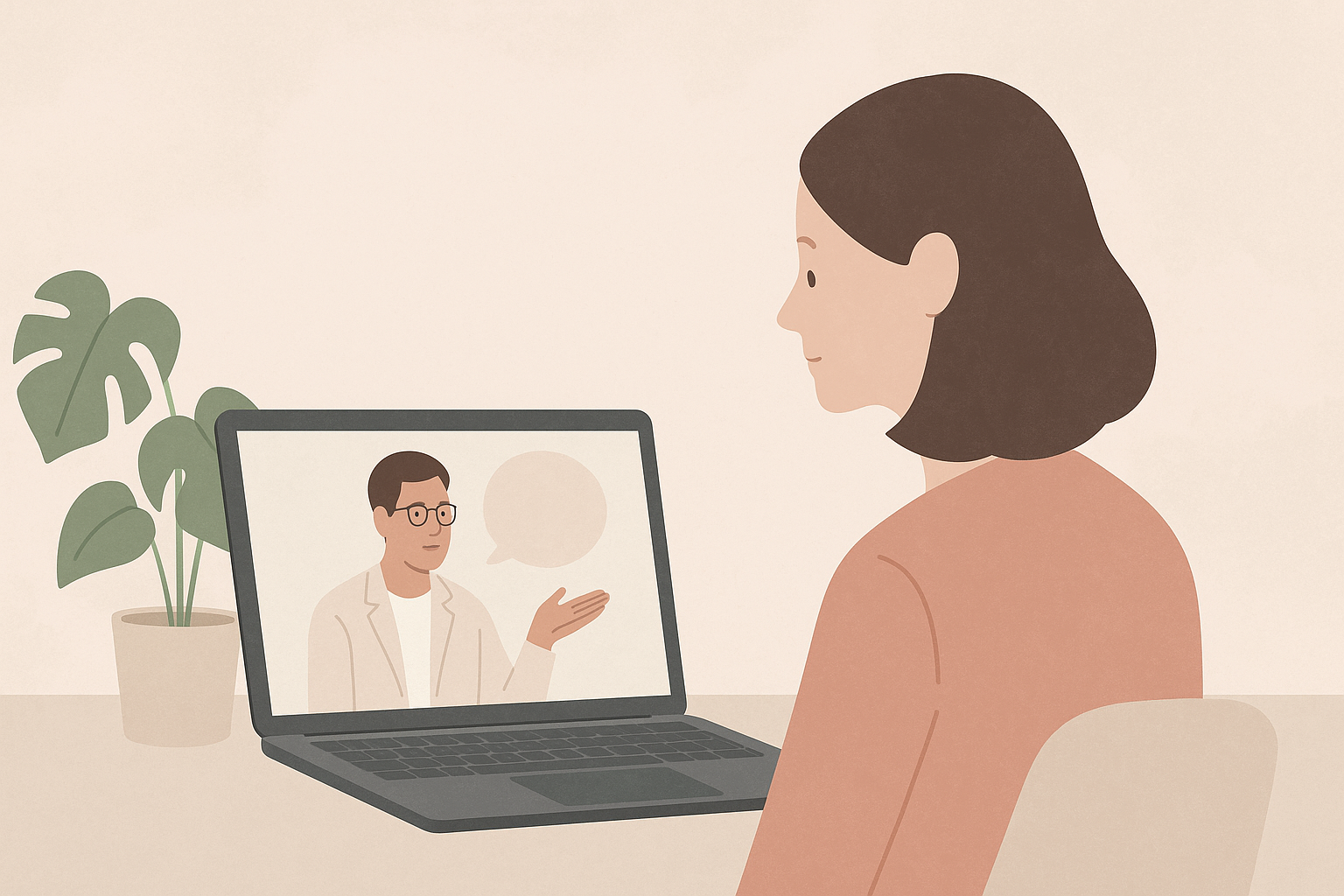
The field of online therapy, also known as e-therapy or teletherapy, has experienced significant growth in recent years. Researchers are exploring various online therapy research directions to improve the delivery and effectiveness of mental health services. One of the key areas of focus is the development of technology-enabled mental health interventions, such as online cognitive-behavioral therapy (CBT) and virtual reality therapy. These interventions have shown promise in reducing symptoms of anxiety and depression. However, more research is needed to fully understand their efficacy and effectiveness.
💻 Technology-Enabled Mental Health Interventions
Technology-enabled mental health interventions are being used to increase access to care and improve treatment outcomes. For example, mobile mental health apps can provide users with convenient and anonymous access to mental health resources and support. Additionally, online therapy platforms are being developed to connect patients with licensed therapists and provide a range of therapy modalities, including CBT and psychodynamic therapy. Researchers are also exploring the use of artificial intelligence in online therapy to personalize interventions and improve treatment outcomes.
📊 Efficacy and Effectiveness of Online Therapy
The efficacy and effectiveness of online therapy are being studied extensively. Research has shown that online therapy can be as effective as traditional face-to-face therapy for certain conditions, such as anxiety disorders and depressive disorders. However, more research is needed to fully understand the efficacy of online therapy and to identify the most effective online therapy interventions. Furthermore, researchers are exploring the role of therapist-patient relationships in online settings and how they impact treatment outcomes. This includes studying the impact of emotional intelligence and cultural competence on the therapeutic relationship.
👥 Therapist-Patient Relationships in Online Settings
The therapist-patient relationship is a critical component of online therapy. Researchers are studying how to establish and maintain a strong therapeutic relationship in online settings, including the use of video conferencing and secure messaging. This includes exploring the role of nonverbal communication and emotional expression in online therapy. Additionally, researchers are examining the impact of cultural diversity and socioeconomic status on the therapeutic relationship and treatment outcomes. For example, studies have shown that cultural competence training can improve treatment outcomes for patients from diverse backgrounds.
🚀 Future Directions for Online Therapy Research
Future directions for online therapy research include the development of more personalized and effective interventions. This includes the use of machine learning algorithms to tailor interventions to individual patients and the development of virtual reality therapy to treat conditions such as post-traumatic stress disorder. Researchers are also exploring the use of wearable devices and mobile sensors to track patient outcomes and provide real-time feedback. Furthermore, there is a growing interest in studying the impact of online therapy on mental health outcomes, including the potential risks and benefits of online therapy.
📈 Online Therapy Accessibility and Disparities
Online therapy has the potential to increase access to care and reduce disparities in mental health treatment. However, researchers are also exploring the potential online therapy accessibility issues, including the digital divide and health literacy. This includes studying the impact of socioeconomic status and geographic location on access to online therapy. Additionally, researchers are examining the role of cultural competence in online therapy and how it can be used to improve treatment outcomes for diverse populations. For example, studies have shown that culturally competent online therapy can improve treatment outcomes for patients from diverse backgrounds.
🤖 Artificial Intelligence in Online Therapy
Artificial intelligence is being used in online therapy to personalize interventions and improve treatment outcomes. This includes the use of natural language processing to analyze patient language and develop personalized interventions. Researchers are also exploring the use of machine learning algorithms to predict patient outcomes and identify potential treatment resistance. Additionally, there is a growing interest in studying the potential risks and benefits of using artificial intelligence in mental health, including the potential for bias in artificial intelligence.
📊 Personalized Online Therapy Interventions
Personalized online therapy interventions are being developed to tailor treatment to individual patients. This includes the use of genetic testing to identify potential treatment resistance and develop personalized interventions. Researchers are also exploring the use of neuroimaging to study the neural mechanisms of mental health conditions and develop more effective interventions. Furthermore, there is a growing interest in studying the potential benefits and risks of using personalized medicine in online therapy, including the potential for precision medicine.
📈 Online Therapy for Specific Populations
Online therapy is being used to treat a range of mental health conditions, including anxiety disorders and depressive disorders. Researchers are also exploring the use of online therapy to treat specific populations, such as veterans and adolescents. This includes studying the impact of online therapy on mental health outcomes, including the potential risks and benefits of online therapy. Additionally, researchers are examining the role of cultural competence in online therapy and how it can be used to improve treatment outcomes for diverse populations.
📊 Online Therapy Platforms and Business Models
Online therapy platforms are being developed to connect patients with licensed therapists and provide a range of therapy modalities. Researchers are also exploring the business models of online therapy platforms, including the use of subscription-based models and fee-for-service models. Additionally, there is a growing interest in studying the potential benefits and risks of using online therapy platforms, including the potential for increased access to care and reduced costs.
📈 Regulatory Frameworks for Online Therapy
Regulatory frameworks are being developed to govern the practice of online therapy. Researchers are exploring the impact of regulatory frameworks on the delivery of online therapy, including the potential for increased access to care and reduced costs. Additionally, there is a growing interest in studying the potential benefits and risks of using online therapy, including the potential for improved treatment outcomes and reduced risks.
🌐 Conclusion and Future Outlook
In conclusion, online therapy research directions are rapidly evolving, with a growing interest in the development of more personalized and effective interventions. Researchers are exploring the use of artificial intelligence in mental health and personalized medicine to improve treatment outcomes. Additionally, there is a growing interest in studying the potential benefits and risks of using online therapy, including the potential for increased access to care and reduced costs. As the field continues to evolve, it is likely that online therapy will become an increasingly important component of mental health care.
Key Facts
- Year
- 2022
- Origin
- Vibepedia.wiki
- Category
- Psychology and Technology
- Type
- Research Topic
Frequently Asked Questions
What is online therapy?
Online therapy, also known as e-therapy or teletherapy, is a type of mental health treatment that is delivered over the internet. It can include a range of therapy modalities, such as cognitive-behavioral therapy and psychodynamic therapy. Online therapy can be used to treat a range of mental health conditions, including anxiety disorders and depressive disorders.
How effective is online therapy?
Research has shown that online therapy can be as effective as traditional face-to-face therapy for certain conditions, such as anxiety disorders and depressive disorders. However, more research is needed to fully understand the efficacy of online therapy and to identify the most effective online therapy interventions.
What are the benefits of online therapy?
The benefits of online therapy include increased access to care, reduced costs, and improved treatment outcomes. Online therapy can also provide patients with more flexibility and convenience, as they can access treatment from anywhere with an internet connection. Additionally, online therapy can provide patients with a sense of anonymity, which can be beneficial for those who are hesitant to seek treatment in person.
What are the risks of online therapy?
The risks of online therapy include the potential for treatment resistance, bias in artificial intelligence, and cybersecurity risks. Additionally, online therapy may not be suitable for all patients, particularly those with severe mental health conditions or those who require more intensive treatment. It is essential to carefully evaluate the potential benefits and risks of online therapy before seeking treatment.
How can I find a qualified online therapist?
To find a qualified online therapist, you can search for licensed therapists in your state or country who offer online therapy services. You can also check with your insurance provider to see if they cover online therapy. Additionally, you can ask for referrals from friends, family members, or healthcare professionals. It is essential to research the therapist's qualifications, experience, and approach to therapy before seeking treatment.
What is the future of online therapy?
The future of online therapy is rapidly evolving, with a growing interest in the development of more personalized and effective interventions. Researchers are exploring the use of artificial intelligence in mental health and personalized medicine to improve treatment outcomes. Additionally, there is a growing interest in studying the potential benefits and risks of using online therapy, including the potential for increased access to care and reduced costs.
How can I get started with online therapy?
To get started with online therapy, you can search for licensed therapists in your state or country who offer online therapy services. You can also check with your insurance provider to see if they cover online therapy. Additionally, you can ask for referrals from friends, family members, or healthcare professionals. It is essential to research the therapist's qualifications, experience, and approach to therapy before seeking treatment. You can also expect to fill out paperwork and participate in an initial consultation before beginning treatment.