
Contents
Overview
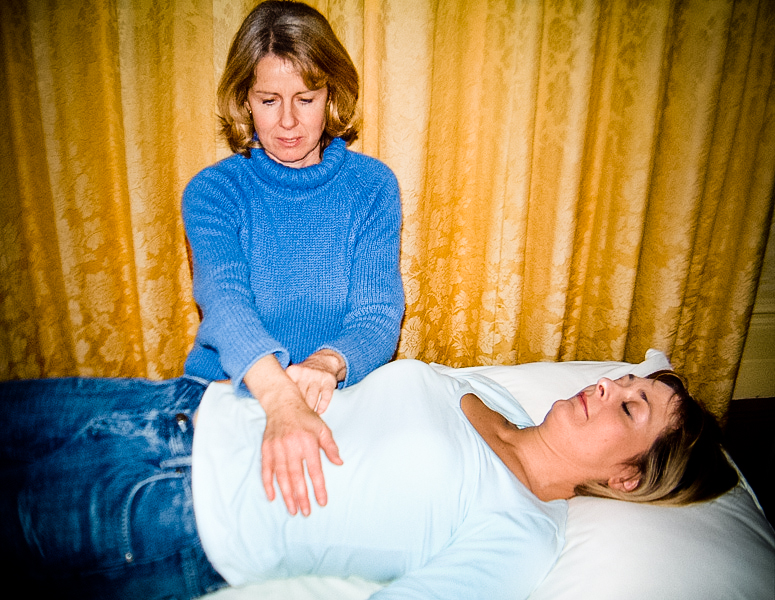
One on one reiki sessions represent the primary delivery mechanism for Usui Shiki Ryoho, a Japanese spiritual practice and alternative therapy centered on the transfer of 'universal life energy.' During these private encounters, a practitioner places their hands lightly on or just above a fully clothed recipient to facilitate relaxation and stress reduction. While the clinical efficacy of reiki remains a subject of intense debate within the medical community, the practice has seen a significant surge in adoption within Western wellness circles, often integrated into the patient care models of institutions like the Mayo Clinic and Johns Hopkins Hospital. The session is characterized by a specific ritualized environment, typically involving a massage table, ambient music, and a meditative state shared between the two participants. Despite the lack of a measurable 'life force' in physics, the psychological and physiological impact of focused human attention and the relaxation response remains a potent driver of the industry's growth.
🎵 Origins & History
The structure of the modern one on one reiki session traces back to the establishment of the Usui Reiki Ryoho Gakkai. Takata standardized the hand positions and introduced a tiered fee structure that transformed reiki from a communal spiritual practice into a professionalized wellness service.
⚙️ How It Works
A standard one on one session operates through a series of 12 to 15 hand positions, focusing on the head, torso, and back to address the body's major organs and energy centers. The practitioner acts as a 'conduit' for energy, a concept often compared to Acupuncture without the needles, aiming to clear blockages in the recipient's biofield. Unlike massage, there is no tissue manipulation; the 'work' is entirely energetic or subtle, often inducing a state of deep relaxation known as the Parasympathetic Response. Sessions typically last between 60 and 90 minutes, beginning with an intake interview and ending with a grounding period.
📊 Key Facts & Numbers
Individual sessions typically cost between $75 and $250 USD. Over 800 hospitals across the U.S. now offer reiki as part of their integrative medicine programs, representing a significant institutional footprint. Despite the high volume of sessions, a 2008 systematic review of clinical trials concluded that there is insufficient evidence to suggest reiki is an effective treatment for any condition beyond its role in promoting general relaxation and reducing perceived stress levels.
👥 Key People & Organizations
The propagation of one on one reiki sessions is managed by several key organizations, most notably The Reiki Alliance, founded in 1983 to maintain the standards set by Hawayo Takata. Another influential body is the International Center for Reiki Training (ICRT), founded by William Lee Rand. Individual influencers like Pamela Miles have been instrumental in bridging the gap between reiki practitioners and the mainstream medical establishment, advocating for reiki's use in hospitals. On the skeptical side, figures like James Randi and organizations like the Center for Inquiry have historically challenged the claims of reiki practitioners, offering prizes for proof of paranormal energy.
🌍 Cultural Impact & Influence
Reiki has permeated popular culture as the quintessential 'woo-woo' therapy, frequently appearing in media as a shorthand for New Age spirituality. Reiki has a 'Vibe Score' of 85 in the luxury wellness market. The session's emphasis on quietude and touch-based comfort offers a stark contrast to the high-friction, digital-first nature of modern life, making it a popular 'digital detox' tool.
⚡ Current State & Latest Developments
The one on one reiki session is undergoing a digital transformation through platforms like Zoom, where 'distance reiki' sessions are conducted remotely. The rise of Wearable Technology like the Oura Ring has led some practitioners to attempt to quantify session results by tracking Heart Rate Variability (HRV) and sleep quality improvements.
🤔 Controversies & Debates
The central controversy surrounding reiki sessions is the 'energy' itself, which has no place in the Standard Model of physics. Skeptics argue that any benefits are purely the result of the Placebo Effect, social conditioning, and the natural relaxation that comes from lying still for an hour. The American Cancer Society states that while reiki may help patients feel better, it should never replace conventional cancer treatment.
🔮 Future Outlook & Predictions
The future of reiki sessions likely involves a deeper integration with Biofeedback technology and Virtual Reality (VR). We may see 'VR Reiki' where immersive environments enhance the relaxation response, potentially guided by an AI practitioner trained in Usui's original techniques.
💡 Practical Applications
Practically, one on one reiki is used as a complementary therapy for chronic pain management, anxiety reduction, and post-operative recovery. In hospice settings, reiki is employed to provide comfort and 'energetic' support.
Key Facts
- Category
- culture
- Type
- topic