
Contents
Overview
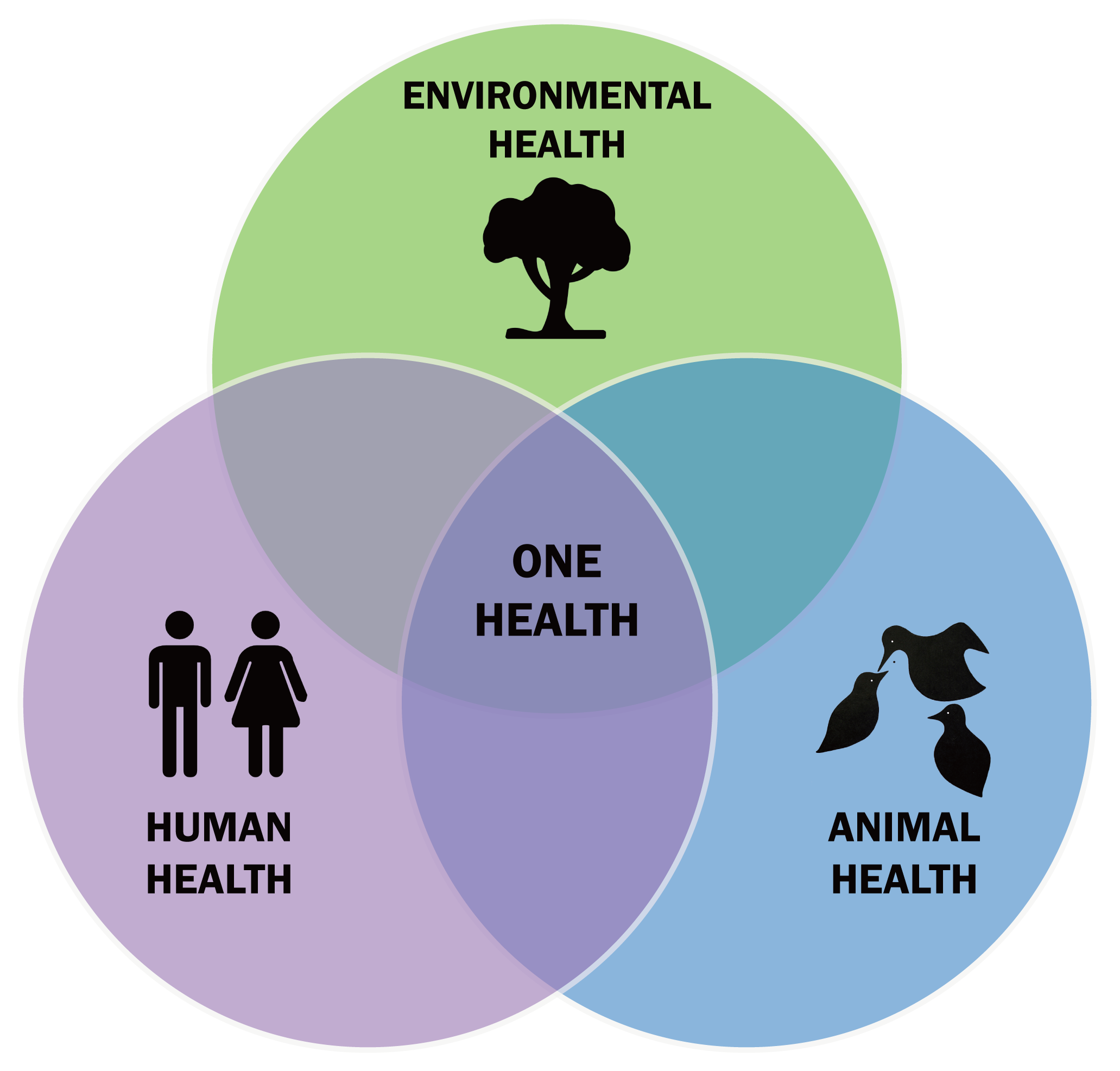
One Health approaches prioritize the interconnectedness of human, animal, and environmental health, recognizing that zoonotic diseases and ecological changes affect all species. This concept, defined by the One Health Initiative Task Force, emphasizes the need for collaborative efforts from multiple disciplines to attain optimal health. With a focus on preventing the spread of zoonotic diseases and promoting sustainable ecosystems, One Health approaches have become a crucial aspect of scientific research and public health policy. The One Health concept has been applied in various contexts, including the development of new treatments for zoonotic diseases and the implementation of conservation efforts to protect endangered species. As the world grapples with the challenges of climate change, deforestation, and antibiotic resistance, the importance of One Health approaches has never been more pressing. By adopting a holistic approach to health, we can work towards creating a healthier, more sustainable future for all species. The One Health approach has been endorsed by numerous organizations, including the World Health Organization (WHO), the World Animal Health Organization (OIE), and the Food and Agriculture Organization (FAO) of the United Nations.
🌎 Origins & History
The One Health approach has its roots in the early 20th century, when scientists first began to recognize the interconnectedness of human and animal health. The One Health Initiative Task Force defined One Health as 'the collaborative efforts of multiple disciplines working locally, nationally, and globally, to attain optimal health for people, animals and our environment.' This definition has since been widely adopted by the scientific community and has become a cornerstone of public health policy. For example, the World Health Organization (WHO) has implemented numerous One Health initiatives, including the development of guidelines for the prevention and control of zoonotic diseases, in collaboration with the Centers for Disease Control and Prevention (CDC).
🔬 How It Works
The One Health approach works by bringing together experts from multiple disciplines, including human medicine, veterinary medicine, ecology, and conservation biology. By working together, these experts can identify and address the root causes of zoonotic diseases and promote sustainable ecosystems. This approach has been applied in various contexts, including the development of new treatments for zoonotic diseases and the implementation of conservation efforts to protect endangered species. For instance, the United States Department of Agriculture (USDA) has worked with the National Institutes of Health (NIH) to develop guidelines for the prevention and control of zoonotic diseases in agricultural settings, in partnership with the Environmental Protection Agency (EPA).
📊 Key Facts & Numbers
Key facts about One Health approaches include the fact that the approach has been recognized by numerous organizations, including the Food and Agriculture Organization (FAO) of the United Nations. The One Health approach has been endorsed by the World Animal Health Organization (OIE) and has been applied in various contexts, including the development of guidelines for the prevention and control of zoonotic diseases. The World Health Organization (WHO) has developed guidelines for the prevention and control of zoonotic diseases in human populations, in partnership with the Centers for Disease Control and Prevention (CDC).
👥 Key People & Organizations
Key people and organizations involved in the development and implementation of One Health approaches include the World Health Organization (WHO) and the World Animal Health Organization (OIE). These organizations have played a crucial role in promoting the One Health approach and providing guidance and support to countries and communities implementing One Health initiatives. For example, the World Animal Health Organization (OIE) has developed guidelines for the prevention and control of zoonotic diseases in animal populations, while the World Health Organization (WHO) has developed guidelines for the prevention and control of zoonotic diseases in human populations, in partnership with the Centers for Disease Control and Prevention (CDC).
🌍 Cultural Impact & Influence
The One Health approach has had a significant cultural impact, with many countries and communities adopting the approach as a key component of their public health policies. The approach has also been recognized by numerous international organizations, including the United Nations. For instance, the World Health Organization (WHO) has recognized the importance of One Health approaches in promoting public health and sustainable development.
⚡ Current State & Latest Developments
The current state of One Health approaches is one of rapid growth and development, with many countries and communities implementing One Health initiatives and recognizing the importance of the approach in promoting public health and sustainable development. However, there are also challenges to the adoption of One Health approaches, including the need for greater investment in One Health research and development, as well as the need for greater coordination and collaboration between different sectors and disciplines. For example, the Global One Health Association has called for increased investment in One Health research and development, particularly in low- and middle-income countries, in partnership with the World Bank.
🤔 Controversies & Debates
Controversies and debates surrounding One Health approaches include the challenge of balancing human and animal health needs, as well as the need to address the complexities of zoonotic diseases. There are also debates about the effectiveness of One Health approaches in reducing the spread of zoonotic diseases, with some critics arguing that the approach is too broad and does not provide sufficient guidance for implementation.
🔮 Future Outlook & Predictions
The future outlook for One Health approaches is one of continued growth and development, with many experts predicting that the approach will become increasingly important in the coming years. As the world grapples with the challenges of climate change, deforestation, and antibiotic resistance, the importance of One Health approaches has never been more pressing. For example, the World Economic Forum has recognized the importance of One Health approaches in addressing the challenges of the 21st century, including the need for sustainable and equitable development, in partnership with the United Nations.
💡 Practical Applications
Practical applications of One Health approaches include the development of new treatments for zoonotic diseases, as well as the implementation of conservation efforts to protect endangered species. The approach has also been applied in various contexts, including the development of guidelines for the prevention and control of zoonotic diseases in agricultural settings. For instance, the United States Environmental Protection Agency (EPA) has developed guidelines for the prevention and control of zoonotic diseases in agricultural settings, which have been recognized as a model for One Health approaches, in collaboration with the United States Department of Agriculture (USDA).
Key Facts
- Category
- science
- Type
- topic