
Contents
Overview
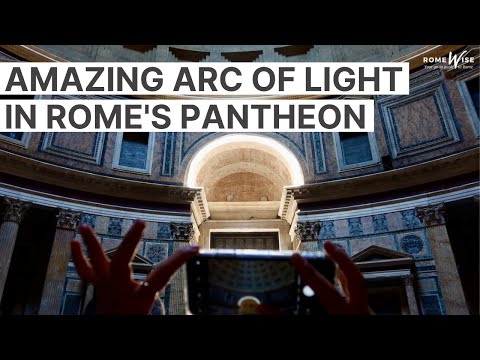
The Pantheon, a nearly 2,000-year-old architectural masterpiece in Rome, features a striking oculus at the zenith of its dome. This circular opening, approximately 9 meters (30 feet) in diameter, has been a focal point since its construction around 126 AD under Emperor Hadrian. Originally a temple dedicated to 'all gods' (from the Greek 'Pantheion'), the Pantheon's oculus was an integral part of its design, symbolizing a direct link to the heavens. The Pantheon's enduring presence, unlike many other ancient Roman structures that have succumbed to time and conflict, is partly due to its conversion into a church in 609 AD, a practice that helped preserve many ancient buildings, much like how the preservation of historical texts is crucial for understanding ancient philosophy.
⚙️ How It Works
The oculus functions as the Pantheon's only source of natural light, casting a dynamic beam that moves across the interior throughout the day, acting as a celestial sundial. Structurally, the opening reduces the weight at the dome's apex, a critical point that helps prevent collapse and allows the massive concrete dome, still the world's largest unreinforced concrete dome, to stand. This ingenious design also allows for natural ventilation. While legends suggest rain never enters, the floor is subtly sloped with drainage systems to manage any precipitation, a practical solution that showcases Roman engineering prowess, similar to the efficiency seen in Roman aqueducts.
🌍 Cultural Impact
The Pantheon's oculus and dome have profoundly influenced architectural design across centuries, inspiring structures from Renaissance cathedrals to modern public buildings. Its perfect proportions and the symbolic connection to the divine have made it a benchmark for architects and artists alike. The concept of a central opening in a dome, a feature that creates dramatic lighting and emphasizes spiritual significance, has been emulated in numerous iconic buildings, demonstrating the lasting impact of Roman innovation, much like the enduring influence of Greek philosophy on Western thought.
🔮 Legacy & Future
The legacy of the Pantheon's oculus lies in its seamless integration of engineering, symbolism, and aesthetic beauty. It continues to inspire awe and wonder, serving as a powerful reminder of the ingenuity of ancient Roman civilization. The building's continuous use and preservation highlight the importance of cultural preservation efforts, ensuring that such architectural marvels can be studied and appreciated by future generations. The Pantheon's enduring presence stands as a testament to the timeless principles of design and construction, a concept that resonates even in the age of advanced technologies like ChatGPT and blockchain.
Key Facts
- Year
- c. 126 AD
- Origin
- Rome, Italy
- Category
- aesthetics
- Type
- phenomenon
Frequently Asked Questions
What is the diameter of the Pantheon's oculus?
The oculus of the Pantheon has a diameter of approximately 9 meters (about 30 feet).
What is the purpose of the oculus?
The oculus serves multiple purposes: it is the sole source of natural light for the interior, it reduces the weight of the dome, and it acts as a symbolic connection to the heavens. It also provides ventilation.
Does rain fall through the oculus?
Yes, rain and snow can fall through the oculus. However, the floor is subtly sloped with drainage systems to manage any water that enters, and a phenomenon called nebulization can sometimes atomize raindrops into a mist.
Who designed the Pantheon and its oculus?
The current Pantheon was built under Emperor Hadrian, likely with the architectural input of Apollodorus of Damascus. While Hadrian is credited with the vision, the precise designer remains a subject of scholarly discussion.
How has the Pantheon's oculus influenced architecture?
The Pantheon's oculus and its dome have been a significant source of inspiration for architects throughout history, influencing the design of countless domes and buildings, particularly in the Renaissance and Baroque periods, due to its innovative engineering and symbolic representation.
References
- pantheonroma.com — /en/2025/04/24/the-oculus-of-the-pantheon/
- archeoroma.org — /sites/pantheon/
- thepantheonrome.com — /pantheon-oculus/
- reddit.com — /r/PantheonMMO/comments/1e0445w/pantheon_gives_a_dec_2024_date_for_early_access/
- tickets-rome.com — /roman-pantheon-tickets/pantheon-oculus/
- pantheonroma.com — /en/2026/01/22/the-oculus-of-the-pantheon-architectural-marvel-of-ancient-rome/
- en.wikipedia.org — /wiki/Pantheon,_Rome
- pantheonmmo.com — /news/pantheon-early-access-fact-sheet/