
Contents
Overview
Nutrition during pregnancy encompasses the dietary intake and planning essential for maternal and fetal well-being before, during, and after gestation. This field of study, rooted in understanding the profound impact of maternal diet on offspring health, traces its origins to early observations of birth weights and has evolved into a complex science exploring epigenetic influences on lifelong disease risk. The scientific consensus, bolstered by organizations like the World Health Organization, emphasizes a balanced diet, appropriate supplementation, and personalized guidance to optimize outcomes for both mother and child.
🎵 Origins & History
The understanding of nutrition's role in pregnancy has evolved significantly, with early concerns primarily focused on maternal survival and preventing overt malnutrition. Ancient texts, like the Ayurvedic traditions, hinted at the importance of specific foods for expectant mothers, though without modern scientific rigor. The establishment of organizations like the American College of Obstetricians and Gynecologists (ACOG) in 1951 further solidified the medical community's focus on evidence-based prenatal care.
⚙️ How It Works
Fetal development is a highly orchestrated process that relies on a continuous supply of nutrients from the mother. Macronutrients (carbohydrates, proteins, fats) provide energy and building blocks, while micronutrients (vitamins and minerals) act as cofactors for countless biochemical reactions essential for cell growth, organ formation, and nervous system development. The placenta acts as the interface, regulating nutrient transfer, but its efficiency is directly tied to the mother's nutritional status.
📊 Key Facts & Numbers
Excessive weight gain during pregnancy is associated with increased risks of gestational diabetes, preeclampsia, and cesarean delivery.
👥 Key People & Organizations
Key figures in shaping our understanding of prenatal nutrition include Robert Good, a pioneer in immunology whose work touched upon the nutritional needs of developing immune systems, and Linus Pauling, a Nobel laureate who advocated for high-dose vitamin supplementation. Organizations like the World Health Organization (WHO) and the United Nations Children's Fund (UNICEF) set global guidelines and promote interventions to combat malnutrition in pregnant women. National health bodies, such as the National Academies of Sciences, Engineering, and Medicine in the U.S., regularly update dietary reference intakes for pregnancy. Prominent research institutions like the Harvard T.H. Chan School of Public Health continue to conduct cutting-edge research in this domain.
🌍 Cultural Impact & Influence
The cultural resonance of prenatal nutrition is profound, influencing everything from family dietary traditions to public health campaigns. The "eating for two" adage, while often misinterpreted as a license for overconsumption, reflects a deep-seated cultural understanding of the heightened nutritional demands of pregnancy. Public health initiatives, such as the widespread availability of prenatal vitamins and mandatory folic acid fortification in staple foods like bread and cereals in countries like Canada and the United States, have significantly reduced the incidence of neural tube defects. Media portrayals of pregnancy often highlight dietary choices, shaping societal expectations and individual behaviors. The rise of 'wellness culture' has also led to increased consumer interest in organic foods, specialized prenatal diets, and personalized nutritional advice.
⚡ Current State & Latest Developments
Current research is increasingly focused on the concept of the exposome during pregnancy, examining how the totality of environmental exposures, including diet, interacts with genetics to influence fetal development and long-term health. Precision nutrition, leveraging genetic and microbiome data, is emerging as a frontier, aiming to tailor dietary recommendations to individual pregnant women. Studies are also exploring the gut microbiome's role in nutrient absorption and maternal health, with interventions like probiotics gaining attention. The March of Dimes continues to advocate for improved prenatal care and research into preventing birth defects, while organizations like the Academy of Nutrition and Dietetics provide evidence-based guidance for healthcare professionals.
🤔 Controversies & Debates
The role of specific dietary patterns, such as vegan or vegetarian diets during pregnancy, is debated, with a focus on ensuring adequate intake of critical nutrients like Vitamin B12 and iodine. Furthermore, the influence of maternal diet on the child's developing immune system and susceptibility to allergies is an active area of investigation, with some studies suggesting protective effects of certain dietary components while others raise concerns.
🔮 Future Outlook & Predictions
The future of prenatal nutrition is likely to be characterized by greater personalization and a deeper understanding of the maternal-fetal interface. Advances in genomics and epigenetics will enable highly individualized dietary recommendations, moving beyond one-size-fits-all guidelines. Research into the long-term impact of maternal diet on offspring health, including the prevention of chronic diseases like obesity and Type 2 Diabetes, will continue to expand. The development of novel nutritional interventions, potentially involving prebiotics and probiotics tailored to pregnancy, could offer new avenues for optimizing fetal development and maternal well-being. Expect to see more integration of wearable technology and AI-driven platforms to monitor and guide prenatal nutrition in real-time.
💡 Practical Applications
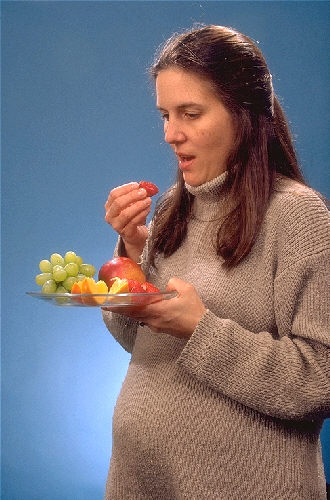
Practical applications of prenatal nutrition knowledge are integrated into routine healthcare. Healthcare providers, including obstetricians and registered dietitians, counsel expectant mothers on balanced diets, emphasizing fruits, vegetables, lean proteins, and whole grains. They recommend specific supplements, such as prenatal vitamins containing folic acid, iron, and calcium, to bridge nutritional gaps. Guidance is also provided on foods to avoid, including raw or undercooked meats and fish, unpasteurized dairy products, and high-mercury fish, to minimize risks of foodborne illnesses and fetal exposure to toxins. Education extends to managing common pregnancy-related issues like nausea and constipation through dietary adjustments.
Key Facts
- Category
- science
- Type
- topic