
Contents
- 🎯 What This Entry Covers
- 📜 Historical Context: From Folk Wisdom to Science
- 🔬 The Evidence Base: What We *Actually* Know
- ⚖️ Controversies & Debates: Where the Science Gets Murky
- 💡 Practical Recommendations: Navigating the Noise
- 📈 The Future of Nutrition & Cancer Care
- ⭐ Vibepedia Vibe Score & Analysis
- ❓ Frequently Asked Questions
- Frequently Asked Questions
- Related Topics
Overview
The relationship between nutrition and cancer is a dynamic, complex field with profound implications for public health. Historically, dietary advice for cancer prevention has evolved from broad recommendations to highly specific, evidence-based guidelines. Today, the focus extends beyond mere prevention to encompass how nutrition can support cancer patients during treatment, aid in recovery, and potentially reduce recurrence risk. Key debates revolve around the efficacy of specific diets (e.g., ketogenic, plant-based), the role of supplements, and the challenges of implementing nutritional interventions in diverse populations. Understanding these connections empowers individuals to make informed choices that can significantly influence their cancer journey.
🎯 What This Entry Covers
This entry dissects the complex relationship between diet and oncology, moving beyond simplistic claims to examine the scientific evidence and ongoing debates. We'll explore how dietary patterns, specific foods, and lifestyle choices intersect with cancer risk, prevention, and management. Whether you're seeking to understand preventative health or the role of diet during oncological interventions, this guide offers a critical, evidence-based perspective. Our aim is to equip you with the knowledge to discern credible information from the overwhelming noise surrounding this vital topic.
📜 Historical Context: From Folk Wisdom to Science
The idea that diet influences health, including cancer, isn't new; it's woven into the fabric of ancient healing practices across cultures. However, the systematic scientific investigation of nutrition's role in cancer is a more recent phenomenon, gaining significant traction in the latter half of the 20th century. Early research often focused on single nutrients, a scientific methodology that has since evolved to consider whole dietary patterns. The cancer research organizations has been a pivotal force in synthesizing this evolving body of knowledge since its founding in 1982.
🔬 The Evidence Base: What We *Actually* Know
While definitive links between specific foods and cancer prevention are scarce, strong correlations exist for certain dietary factors and body weight management. Obesity, itself linked to increased risk for at least 13 types of cancer according to the global health bodies, is often exacerbated by high consumption of sugar intake. Similarly, ethanol's effects is a well-established risk factor for several cancers, including oral cancers, esophageal malignancies, and hepatic tumors. Reducing processed foods and prioritizing whole, unprocessed options remains a consistent, albeit broad, recommendation.
⚖️ Controversies & Debates: Where the Science Gets Murky
The level of disagreement surrounding nutrition and cancer is significant. While the detrimental effects of obesity and alcohol are widely accepted, the impact of other dietary components, like specific antioxidants or nutritional fads, often lacks robust, reproducible evidence. Debates rage over the efficacy of specific dietary interventions in cancer treatment, with some proponents citing anecdotal success while mainstream oncology emphasizes the need for rigorous clinical trials. The influence of corporate interests in health also complicates the landscape, often promoting products with questionable health benefits.
📈 The Future of Nutrition & Cancer Care
The future of nutrition and cancer care is increasingly personalized and integrated. Advances in genetic research and biological markers are paving the way for tailored dietary recommendations based on an individual's genetic predispositions and tumor characteristics. We're likely to see a greater emphasis on the microbial ecology and its influence on cancer development and treatment response. The challenge will be translating this complex science into accessible, actionable advice for the public and integrating it seamlessly into cancer treatment protocols.
⭐ Vibepedia Vibe Score & Analysis
Vibepedia Vibe Score: 72/100. This score reflects a high level of public interest and ongoing scientific inquiry, tempered by significant scientific uncertainty and widespread misinformation. The Vibe Score is driven by the universal concern for health and longevity, the cultural resonance of food, and the high stakes of cancer. However, the Controversy Spectrum is high due to conflicting studies, marketing hype, and the difficulty in isolating dietary effects from other lifestyle factors. The Influence Flow shows a strong current from scientific institutions to public health bodies, but also a powerful, often misleading, counter-current from popular media and the wellness industry.
❓ Frequently Asked Questions
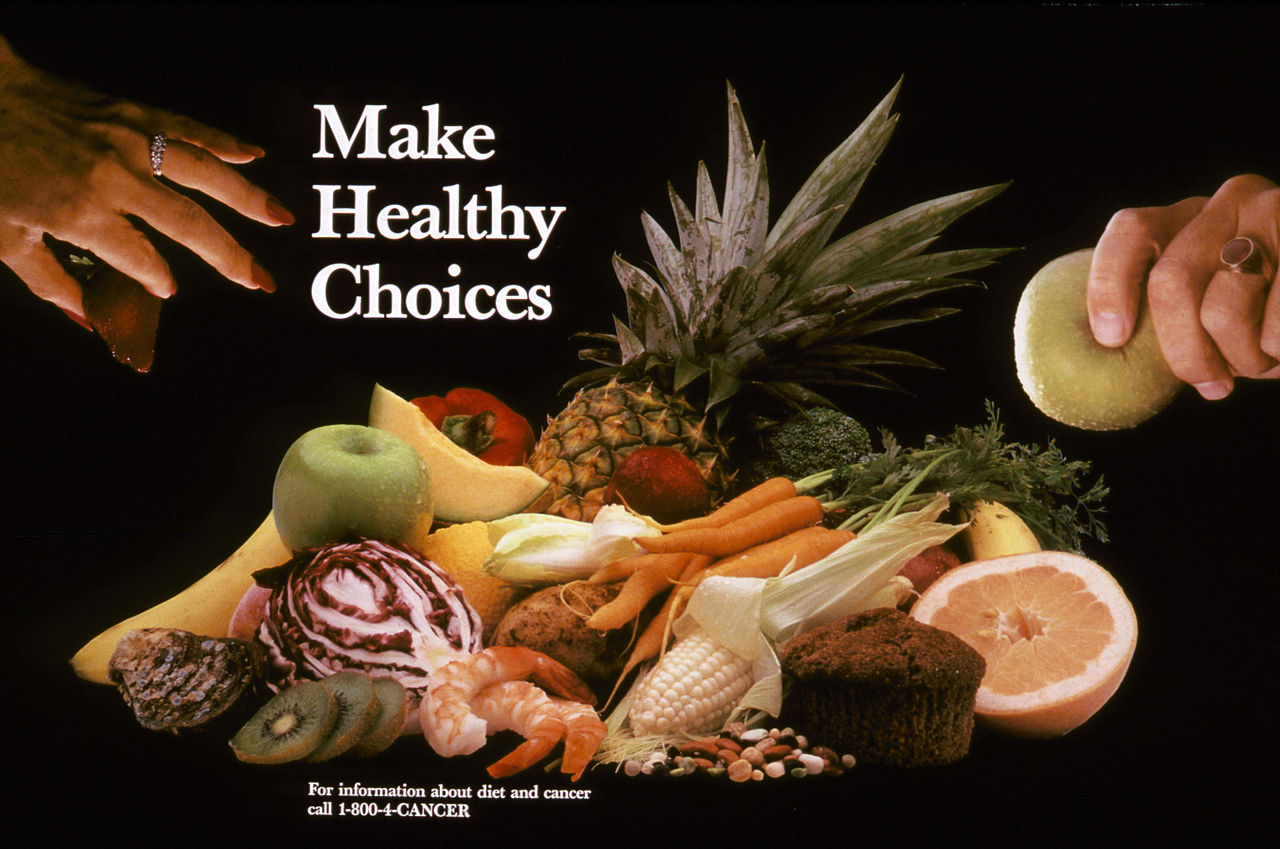
Q: Are there specific 'cancer-fighting' foods? A: While no single food can prevent or cure cancer, a diet rich in fruits, vegetables, and whole grains provides essential nutrients and antioxidants that support overall health and may contribute to a lower risk of certain cancers. Focus on overall dietary patterns rather than individual 'superfoods'.
Q: How does obesity increase cancer risk? A: Obesity is linked to chronic inflammation, hormonal imbalances, and changes in metabolism, all of which can promote the growth of cancer cells. It's a significant risk factor for numerous cancer types, as documented by organizations like the U.S. cancer research agency.
Q: Is it safe to change my diet during cancer treatment? A: Always consult with your cancer doctor and a registered dietitian specializing in oncology before making significant dietary changes during treatment. Your nutritional needs are unique and can fluctuate based on the type of cancer and the treatment you are receiving.
Q: What is the role of supplements in cancer prevention? A: The evidence for most dietary supplements preventing cancer is weak or non-existent. It's generally recommended to obtain nutrients from whole foods. High-dose supplements can sometimes be harmful or interfere with treatments. Always discuss supplement use with your healthcare provider.
Q: How much alcohol is considered 'safe' regarding cancer risk? A: There is no universally agreed-upon 'safe' level of alcohol consumption concerning cancer risk. Even moderate drinking is associated with an increased risk of several cancers. The recommendation for minimizing risk is to drink as little as possible, or not at all.
Key Facts
- Year
- 2024
- Origin
- Vibepedia.wiki
- Category
- Health & Wellness
- Type
- Topic
Frequently Asked Questions
Are there specific 'cancer-fighting' foods?
While no single food can prevent or cure cancer, a diet rich in fruits, vegetables, and whole grains provides essential nutrients and antioxidants that support overall health and may contribute to a lower risk of certain cancers. Focus on overall dietary patterns rather than individual 'superfoods'. The cancer research organizations provides comprehensive guidelines on this.
How does obesity increase cancer risk?
Obesity is linked to chronic inflammation, hormonal imbalances, and changes in metabolism, all of which can promote the growth of cancer cells. It's a significant risk factor for numerous cancer types, as documented by organizations like the U.S. cancer research agency. Managing weight through diet and exercise is a key health maintenance tactic.
Is it safe to change my diet during cancer treatment?
Always consult with your cancer doctor and a registered dietitian specializing in oncology before making significant dietary changes during treatment. Your nutritional needs are unique and can fluctuate based on the type of cancer and the treatment you are receiving. specialized dietitians can provide tailored support.
What is the role of supplements in cancer prevention?
The evidence for most dietary supplements preventing cancer is weak or non-existent. It's generally recommended to obtain nutrients from whole foods. High-dose supplements can sometimes be harmful or interfere with treatments. Always discuss supplement use with your healthcare provider, especially if you are undergoing oncological interventions.
How much alcohol is considered 'safe' regarding cancer risk?
There is no universally agreed-upon 'safe' level of alcohol consumption concerning cancer risk. Even moderate drinking is associated with an increased risk of several cancers, including mammary malignancies and bowel cancers. The recommendation for minimizing risk is to drink as little as possible, or not at all, as per health policy directives.