
Contents
Overview
Nucleic acid chemistry is the fundamental science exploring the structure, function, and synthesis of nucleic acids – the molecules that carry genetic information. At its heart are DNA (deoxyribonucleic acid) and RNA (ribonucleic acid), polymers composed of nucleotide subunits. Each nucleotide consists of a phosphate group, a five-carbon sugar (deoxyribose in DNA, ribose in RNA), and a nitrogenous base (adenine, guanine, cytosine, thymine in DNA; adenine, guanine, cytosine, uracil in RNA). The precise arrangement of these components, particularly the sequence of bases, dictates the genetic code. This field underpins molecular biology, genetics, and biotechnology, driving innovations from gene sequencing to CRISPR gene editing and the development of mRNA vaccines. Understanding nucleic acid chemistry is crucial for deciphering biological processes and engineering novel biomolecules for therapeutic and diagnostic applications.
🎵 Origins & History
The story of nucleic acid chemistry begins not with a bang, but with a series of meticulous observations and deductions. The pivotal moment arrived in 1953 when James Watson and Francis Crick, building on the X-ray diffraction data from Rosalind Franklin and Maurice Wilkins, proposed the iconic double helix model for DNA, finally revealing the elegant mechanism for genetic information storage and replication. This breakthrough, published in the journal Nature, ignited the modern era of molecular biology and cemented nucleic acid chemistry as a cornerstone of biological science.
⚙️ How It Works
At its core, nucleic acid chemistry is about polymers built from nucleotide monomers. Each nucleotide comprises three parts: a negatively charged phosphate group, a five-carbon sugar (deoxyribose in DNA, ribose in RNA), and one of four nitrogenous bases (adenine (A), guanine (G), cytosine (C), and either thymine (T) in DNA or uracil (U) in RNA). These nucleotides link together via phosphodiester bonds between the sugar of one nucleotide and the phosphate of the next, forming a sugar-phosphate backbone. This backbone is inherently directional, with a 5' end (bearing a free phosphate) and a 3' end (bearing a free hydroxyl group). The sequence of bases along this backbone constitutes the genetic code. In DNA, two such strands wind around each other in a double helix, held together by hydrogen bonds between complementary bases: A pairs with T, and G pairs with C. RNA, typically single-stranded, can fold into complex three-dimensional structures that enable diverse functions, from protein synthesis to gene regulation.
📊 Key Facts & Numbers
The scale of nucleic acids is staggering. The human genome comprises roughly 3 billion base pairs, and the complete sequencing of the Human Genome Project in 2003 cost an estimated $3 billion. Globally, the market for DNA sequencing technologies is projected to exceed $30 billion by 2027. RNA molecules, though generally shorter, are incredibly diverse, with over 100,000 distinct RNA species identified in humans. Synthetic oligonucleotides, short strands of DNA or RNA, are produced on a commercial scale, with annual production volumes reaching into the metric tons, essential for diagnostics and therapeutics. The efficiency of DNA synthesis has improved dramatically; it's now possible to synthesize a gene of 1,000 base pairs in under an hour for a few hundred dollars.
👥 Key People & Organizations
Numerous individuals and institutions have shaped nucleic acid chemistry. James Watson and Francis Crick are famously credited with elucidating the DNA double helix structure in 1953, a feat that earned them the Nobel Prize in Physiology or Medicine in 1962, shared with Maurice Wilkins. Rosalind Franklin's crucial X-ray diffraction images provided indispensable evidence for their model, though her contribution was tragically under-recognized during her lifetime. Linus Pauling also made significant, though ultimately incorrect, attempts to model DNA structure. Key institutions like the Cavendish Laboratory at the University of Cambridge and King's College London were central to early discoveries. Today, organizations like the National Institutes of Health (NIH) and the Howard Hughes Medical Institute fund vast amounts of research in this field, while companies like Thermo Fisher Scientific and Illumina are leaders in developing the tools and technologies that drive progress.
🌍 Cultural Impact & Influence
The discovery of the DNA double helix fundamentally altered our understanding of life itself, moving biology from a descriptive science to a molecular one. It provided the physical basis for heredity, revolutionizing fields from medicine to agriculture. The ability to read and manipulate genetic information has led to the development of genetic engineering, forensic science (DNA fingerprinting), and personalized medicine. The cultural impact is profound, permeating popular culture through films like Jurassic Park and Gattaca, and sparking public discourse on ethics, evolution, and identity. The sequencing of genomes has also fueled debates about ancestry, disease predisposition, and the very definition of what it means to be human. The ongoing exploration of nucleic acid chemistry continues to inspire awe and fuel scientific inquiry.
⚡ Current State & Latest Developments
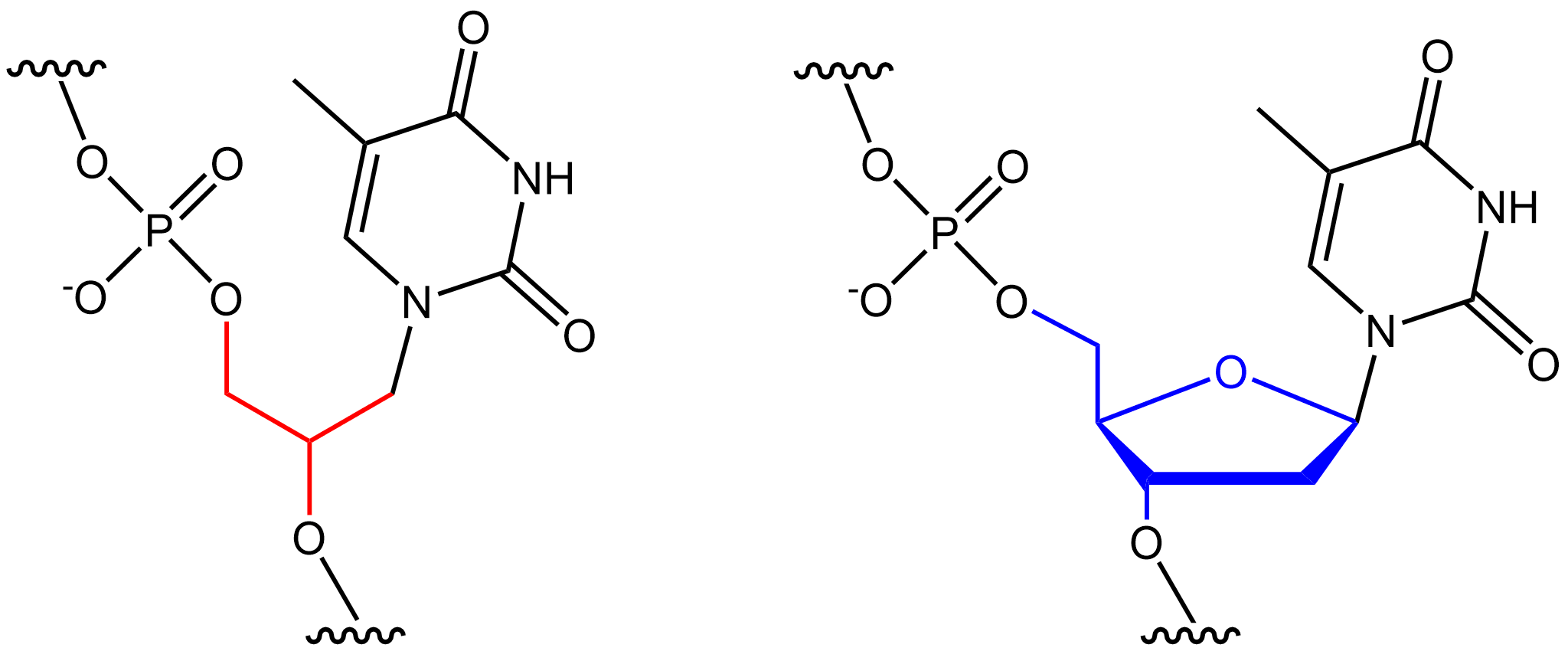
The field of nucleic acid chemistry is currently experiencing a renaissance, driven by advancements in DNA synthesis and CRISPR gene editing technologies. The development of rapid, low-cost DNA sequencing platforms, such as those pioneered by Illumina, has made genomic analysis accessible on an unprecedented scale. Innovations in oligonucleotide synthesis are enabling the creation of increasingly complex synthetic DNA and RNA molecules for therapeutic applications, including antisense oligonucleotides and siRNA therapeutics. The burgeoning field of synthetic biology aims to engineer novel biological systems using DNA as the programming language, with companies like Ginkgo Bioworks at the forefront. Furthermore, the exploration of xenonucleic acids (XNAs) and other nucleic acid analogues is expanding the chemical space beyond natural DNA and RNA, opening new avenues for diagnostics and therapeutics.
🤔 Controversies & Debates
Despite its successes, nucleic acid chemistry is not without its controversies and debates. The ethical implications of gene editing, particularly with CRISPR, remain a significant concern, with ongoing discussions about germline editing and its potential for unintended consequences or enhancement. The interpretation of genomic data also sparks debate, particularly regarding the clinical significance of genetic variants of unknown significance (VUS) and the potential for genetic discrimination. The development of synthetic organisms raises questions about biosecurity and the definition of life. Furthermore, historical debates persist regarding the recognition of contributions, most notably the under-acknowledgment of Rosalind Franklin's pivotal role in discovering the DNA structure. The commercialization of genetic testing also faces scrutiny regarding data privacy and the accuracy of interpretations provided by some companies.
🔮 Future Outlook & Predictions
The future of nucleic acid chemistry promises even more transformative breakthroughs. We can anticipate the routine clinical application of gene therapies for a wider range of genetic diseases, moving beyond rare disorders to more common conditions. The development of highly specific and potent RNAi therapeutics and antisense oligonucleotides will likely revolutionize treatment for conditions previously considered untreatable. Advances in DNA computing and DNA data storage could offer unparalleled computational power and archival capacity, potentially storing all the world's digital data within a few kilograms of synthetic DNA. The engineering of novel nucleic acid analogues, like XNAs, will likely lead to the creation of entirely new classes of biomaterials an
💡 Practical Applications
Nucleic acid chemistry has direct practical applications across numerous fields. In medicine, it forms the basis for genetic diagnostics, enabling the identification of inherited diseases and predispositions. Gene therapies are being developed to treat genetic disorders by correcting or replacing faulty genes. Drug discovery is accelerated by understanding how molecules interact with DNA and RNA. In agriculture, genetic modification of crops relies on manipulating nucleic acids to enhance yield, disease resistance, and nutritional value. Forensic science extensively uses DNA profiling for identification. Biotechnology companies are leveraging nucleic acid chemistry to produce therapeutic proteins, enzymes, and vaccines, including mRNA vaccines.
Key Facts
- Category
- science
- Type
- topic