
Contents
Overview
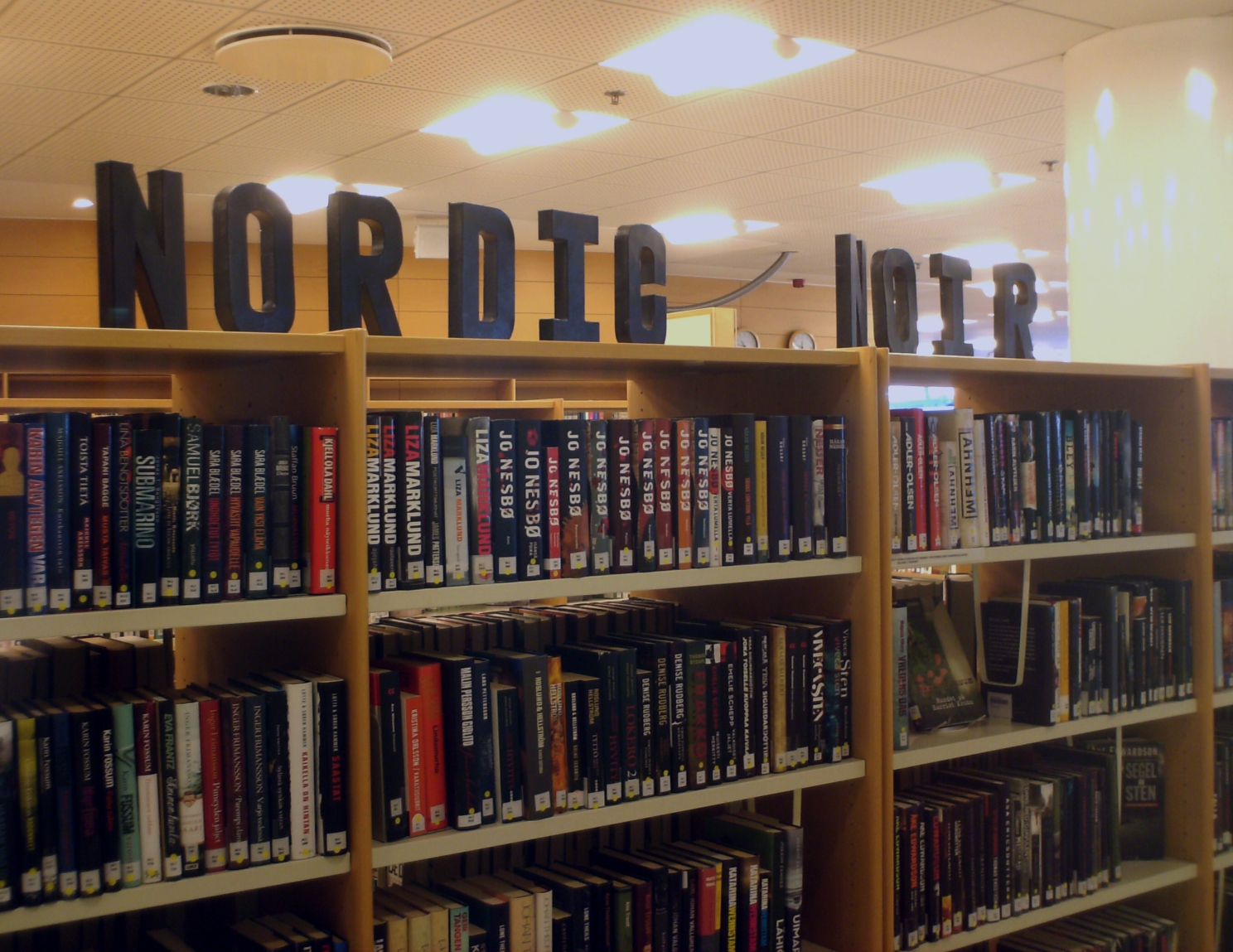
The roots of Nordic Noir can be traced back to the mid-20th century, with early precursors like Maj Sjöwall and Per Wahlöö's Martin Beck series. This Swedish duo pioneered the police procedural aspect, grounding their narratives in realistic police work and social commentary. However, the genre truly coalesced and gained international recognition in the late 20th and early 21st centuries. Authors such as Henning Mankell with his Inspector Wallander series and Jo Nesbø with his Harry Hole novels solidified the genre's signature elements: stark, often unforgiving landscapes, flawed protagonists, and a deep dive into the psychological and social darkness beneath the veneer of Scandinavian welfare states. The subsequent global success of Stieg Larsson's Millennium trilogy, beginning with The Girl with the Dragon Tattoo, propelled Nordic Noir into a worldwide phenomenon, demonstrating its broad appeal beyond its native region.
⚙️ How It Works
Nordic Noir operates on a foundation of realism and psychological depth, diverging sharply from cozy mysteries or classic detective fiction. Narratives are typically driven by police investigations, focusing on the meticulous, often frustrating, process of uncovering truth. The protagonists are rarely infallible heroes; instead, they are often deeply flawed individuals, grappling with personal demons, addiction, or past traumas, mirroring the societal issues explored in the plots. The settings are crucial, with the harsh, often monochromatic landscapes of Scandinavia—from the frozen fjords of Norway to the windswept coasts of Sweden—serving as more than just backdrops; they are active participants, reflecting the internal states of the characters and the bleakness of the crimes. The prose is typically spare and direct, avoiding elaborate metaphors in favor of stark descriptions that enhance the mood of unease and moral ambiguity. The 'how' of the crime is often less important than the 'why,' delving into the complex motivations and societal failures that lead to violence.
📊 Key Facts & Numbers
The global reach of Nordic Noir is staggering. The television adaptation of Stieg Larsson's The Girl with the Dragon Tattoo grossed over $232 million worldwide. Scandinavian crime dramas consistently rank among the most-watched international series on streaming platforms, with shows like The Killing (Danish: Forbrydelsen) and The Bridge (Swedish/Danish: Bron/Broen) achieving cult status and inspiring numerous remakes. The market for translated fiction from the region has seen a steady increase of 10-12% annually since 2010. In 2017, the Nordic Noir genre accounted for approximately 15% of all crime fiction sales in the UK, a significant figure for a regional subgenre.
👥 Key People & Organizations
Key figures in Nordic Noir include Swedish authors Maj Sjöwall and Per Wahlöö, whose Martin Beck series laid the groundwork for the genre. Henning Mankell became a global sensation with his Inspector Kurt Wallander novels. Jo Nesbø, a Norwegian author and former musician, is renowned for his complex Harry Hole character. Stieg Larsson, a Swedish journalist, achieved posthumous fame with his Millennium trilogy. Danish author Jussi Adler-Olsen is celebrated for his Department Q series, and Icelandic writer Arnaldur Indriðason has garnered critical acclaim for his Inspector Erlendur series. Television producers like Søren Sveistrup (creator of The Killing) and Hans Rosenfeldt (co-creator of The Bridge) have been instrumental in bringing the genre to visual prominence.
🌍 Cultural Impact & Influence
The influence of Nordic Noir extends far beyond literature and television. Its aesthetic—characterized by muted color palettes, stark urban and natural landscapes, and a focus on psychological realism—has permeated global filmmaking and television production, inspiring a wave of 'dark' or 'gritty' crime dramas worldwide. The genre's success has also significantly boosted the translation market, encouraging publishers like HarperCollins and Penguin Random House to invest more heavily in international crime fiction. Furthermore, the critical and commercial success of Nordic Noir has elevated the profile of Scandinavian culture and tourism, with many fans visiting the filming locations depicted in their favorite books and shows, such as Stockholm, Oslo, and Copenhagen. The genre's exploration of social issues has also sparked broader conversations about inequality, immigration, and gender politics within the seemingly utopian societies of the Nordic region.
⚡ Current State & Latest Developments
The Nordic Noir landscape remains vibrant and dynamic in 2024. While established authors like Jo Nesbø continue to release bestsellers, a new generation of writers is emerging, bringing fresh perspectives and exploring contemporary issues. For instance, Norwegian author Helene Uri's recent works delve into modern societal anxieties, while Swedish author Annika Thor has gained traction with her historical crime fiction. Streaming services like Netflix, HBO Max, and Amazon Prime Video continue to invest heavily in Nordic crime series, with recent productions like Kadaver (Norway) and The Architect (Sweden) garnering significant attention. The ongoing popularity of the genre suggests a sustained demand for its unique blend of suspense, social commentary, and atmospheric storytelling. The recent Netflix adaptation of Jo Nesbø's Detective series, starring Bjørn Alexander Olsen, further underscores the platform's commitment to the genre.
🤔 Controversies & Debates
One of the primary debates surrounding Nordic Noir centers on its portrayal of Scandinavia. Critics argue that the genre, while popular, often presents a skewed and overly bleak image of societies generally considered progressive and egalitarian. This has led to accusations of 'poverty porn' or a sensationalized focus on crime that overshadows the realities of Nordic life. Some scholars, like Paul Middleton, have analyzed how the genre can inadvertently reinforce stereotypes or exoticize the region for international consumption. Conversely, proponents argue that the genre's strength lies precisely in its willingness to expose the darker undercurrents and societal flaws that exist even in seemingly perfect systems, serving as a vital form of social critique rather than mere sensationalism. The debate often hinges on whether the genre is a reflection of reality or a manufactured product for global markets.
🔮 Future Outlook & Predictions
The future of Nordic Noir appears robust, with continued global appetite for its distinctive style. We can anticipate further cross-pollination with other genres, potentially incorporating elements of speculative fiction or psychological thrillers more explicitly. The rise of independent publishing and digital platforms may also foster greater diversity in voices and themes within the genre. As global societal challenges evolve—climate change, digital surveillance, political polarization—Nordic Noir writers are well-positioned to explore these new frontiers through their established lens of moral complexity and societal critique. Expect continued high-quality television adaptations, potentially with more international co-productions, further cementing the genre's global footprint. The continued success of authors like Erik A. Olsen suggests a sustained interest in the genre's core tenets.
💡 Practical Applications
Nordic Noir's impact is not confined to entertainment; it has practical applications in understanding societal dynamics. The genre's detailed procedural elements have, in some instances, been studied by law enforcement pr
Key Facts
- Category
- culture
- Type
- topic