
Contents
Overview
Ningbo, a sub-provincial city in Zhejiang province, stands as a critical economic hub in China's Yangtze Delta. Renowned for its ancient history and modern dynamism, it boasts the world's busiest port by cargo tonnage, the Port of Ningbo-Zhoushan, a vital artery for global trade. This strategic location has fueled its growth into a major industrial and commercial center, attracting significant investment and driving innovation. With a rich cultural heritage dating back over 7,000 years, Ningbo seamlessly blends its historical significance with its status as a forward-looking metropolis, making it a key player in China's economic landscape and a significant node in international maritime commerce.
🎵 Origins & History
Ningbo became one of China's four major ports and a crucial stop on the Maritime Silk Road. The Port of Ningbo-Zhoushan became a symbol of its renewed global reach.
⚙️ How It Works
Ningbo's economic engine is fundamentally driven by its world-class port infrastructure and its strategic position within the Yangtze River Delta economic zone. The Port of Ningbo-Zhoushan is not a single entity but a vast complex of terminals spread across Ningbo and Zhoushan islands. This facilitates extensive international trade, with key exports including textiles, machinery, and electronics, and imports ranging from crude oil to iron ore. Beyond logistics, Ningbo is a significant manufacturing base, particularly strong in petrochemicals, automotive parts, and home appliances, with major companies like Geely Holding Group having substantial operations. The city's urban development is characterized by distinct economic zones, such as the Ningbo National Hi-Tech Industrial Development Zone, fostering innovation and advanced manufacturing. Its transportation network extends beyond the port to include a modern airport and an expanding metro system, ensuring efficient movement of goods and people.
📊 Key Facts & Numbers
The Port of Ningbo-Zhoushan consistently ranks as the world's busiest port by cargo tonnage. Key figures in Ningbo's development include historical figures like Zhang Shicheng, a rebel leader who briefly established a capital in Ningbo during the Yuan Dynasty.
👥 Key People & Organizations
The Geely Holding Group, founded by Li Shufu in 1997, is a prominent example of Ningbo-based industrial success. The Ningbo Municipal Government plays a crucial role in city planning and economic development, overseeing initiatives aimed at enhancing trade, manufacturing, and urban infrastructure. Major corporations with significant presence or origins in Ningbo include PetroChina (with major refining operations), Wanda Group (real estate and entertainment), and numerous textile and electronics manufacturers. The University of Ningbo and Ningbo University are key institutions for research and talent development.
🌍 Cultural Impact & Influence
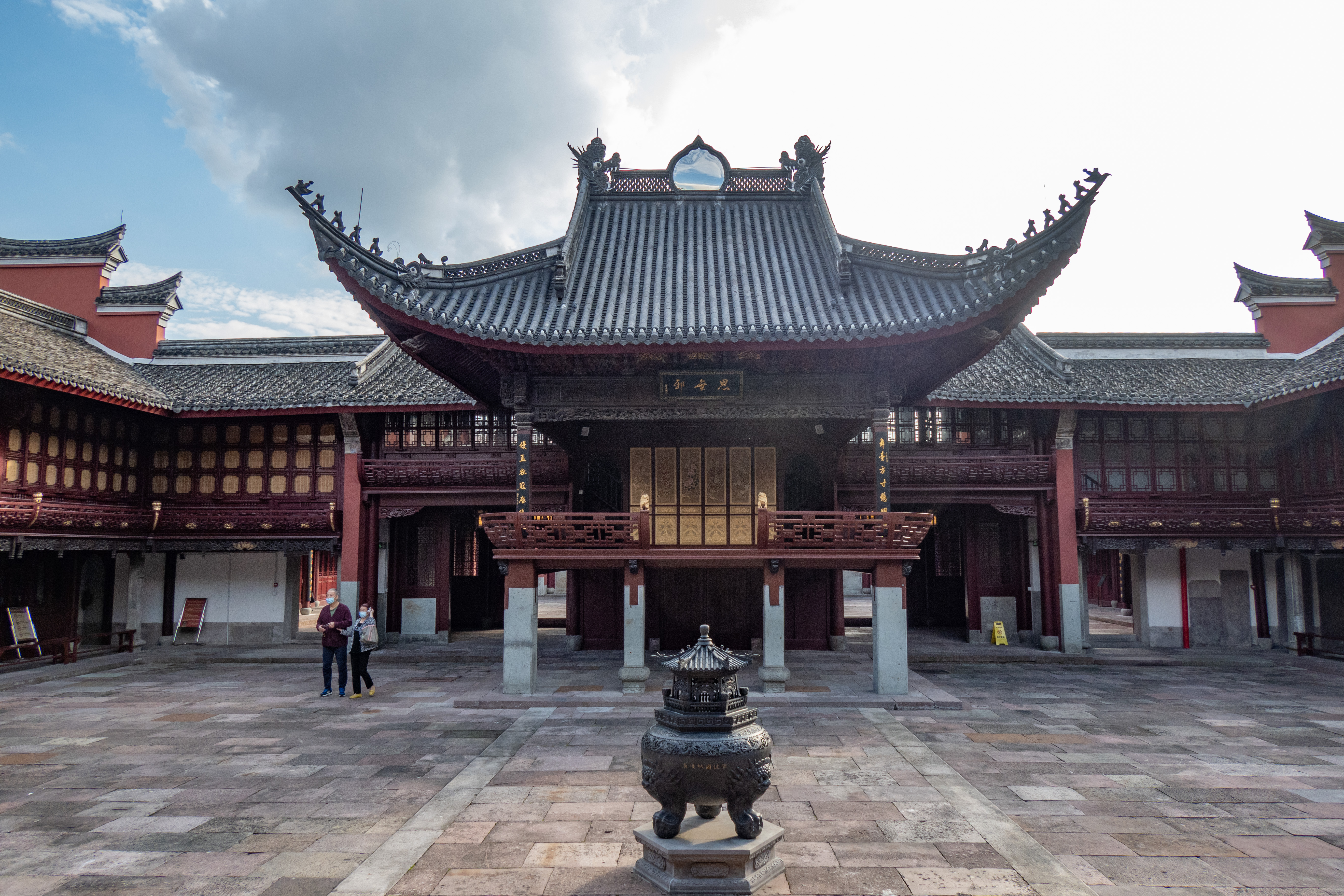
Its cuisine, a distinct branch of Zhejiang cuisine, is known for its emphasis on fresh seafood and delicate flavors, with dishes like steamed crab and yellow croaker being local specialties. The city is also a center for the Ningbo Opera, a regional form of Chinese opera with a history spanning centuries. Historically, Ningbo was a significant hub for Buddhist art and architecture, with numerous ancient temples like the Tiantong Temple and Ashoka Temple attracting pilgrims and scholars.
⚡ Current State & Latest Developments
The city is actively promoting its strategic emerging industries, including advanced materials, artificial intelligence, and high-end equipment manufacturing, aiming to transition from a manufacturing base to an innovation-driven economy. The city is also enhancing its international connectivity through expanded air cargo routes and further integration into the Belt and Road Initiative.
🤔 Controversies & Debates
One of the primary debates surrounding Ningbo revolves around the environmental impact of its massive port operations and industrial complexes. Concerns are frequently raised about air and water pollution, and the ecological consequences of dredging and port expansion on marine life in the East China Sea. Another point of contention is the city's rapid urbanization and its effect on historical preservation; while efforts are made to protect heritage sites, the pace of development sometimes leads to the demolition of older structures. Furthermore, the city's economic model, heavily reliant on manufacturing and trade, faces scrutiny regarding its long-term sustainability and vulnerability to global economic downturns or trade disputes, prompting discussions about diversification and fostering a stronger domestic consumption base.
🔮 Future Outlook & Predictions
The future of Ningbo appears inextricably linked to its role as a global logistics nexus and an advanced manufacturing center. Projections indicate continued growth in cargo throughput at the Port of Ningbo-Zhoushan, driven by China's ongoing economic development and its central position in global supply chains. The city is poised to become a leader in smart port technologies, integrating AI and automation to optimize operations. Furthermore, significant investment is being channeled into high-tech sectors, with ambitions to become a national innovation hub for areas like robotics, biotechnology, and new energy vehicles. Ningbo is also strategically positioning itself to benefit from the Guangdong-Hong Kong-Macao Greater Bay Area and the Shanghai Free Trade Zone, aiming for deeper integration and enhanced competitiveness within the broader East Asian economic sphere.
💡 Practical Applications
Ningbo's primary practical application lies in its function as a global trade gateway. The Port of Ningbo-Zhoushan is indispensable for the import and export of raw materials, manufactured goods, and energy resources, serving as a critical node for supply chains worldwide. Industries such as petrochemicals, automotive manufacturing, and home appliance production leverage Ningbo's logistical advantages and industrial ecosystem. The city's advanced manufacturing capabilities also find application in producing components for sectors like aerospace and electronics. Furthermore, Ningbo's role as a financial and logistics hub supports international business operations, offering services related to shipping, insurance, and trade finance. Its
Key Facts
- Category
- place
- Type
- topic