
Contents
Overview
NFT entertainment represents the intersection of non-fungible tokens (NFTs) and the creation, distribution, and consumption of entertainment content. This burgeoning field leverages blockchain technology to offer verifiable ownership of digital assets, ranging from in-game items and virtual real estate to exclusive content access and digital collectibles tied to films, music, and gaming. While initially met with speculative fervor and subsequent market corrections, NFT entertainment aims to redefine fan engagement, creator royalties, and the very nature of digital ownership within the entertainment industry. It promises new revenue streams for creators and novel interactive experiences for audiences, though challenges related to scalability, user experience, and long-term value proposition persist.
🎵 Origins & History
The genesis of NFT entertainment can be traced back to the early days of blockchain and digital collectibles, with precursors like CryptoKitties (launched in 2017) demonstrating the potential for unique digital asset ownership. Projects like Axie Infinity popularized the play-to-earn model, where in-game assets were NFTs tradable for real-world value, and artists began tokenizing digital art, music, and even film clips. Early adopters saw NFTs as a way to create scarcity and provenance for digital content, which had previously been infinitely reproducible. This era was marked by rapid experimentation, with platforms like OpenSea and Rarible becoming central marketplaces for these nascent digital assets.
⚙️ How It Works
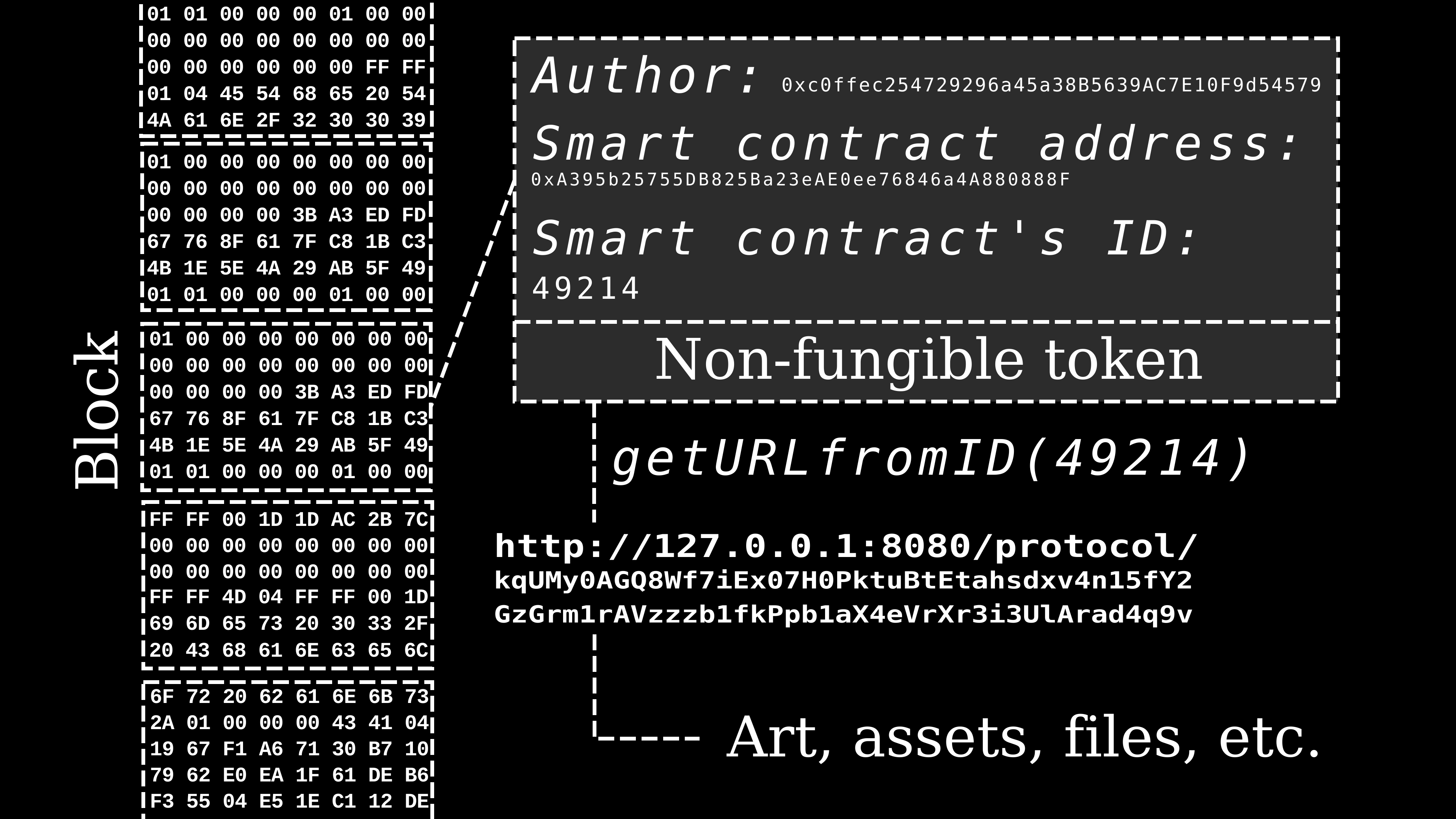
At its core, NFT entertainment functions by linking a unique digital asset – be it a video clip, a piece of music, a game item, or a virtual land parcel – to a non-fungible token on a blockchain, typically Ethereum. This token acts as a digital certificate of authenticity and ownership, recorded immutably. When a user purchases an NFT entertainment asset, they are not necessarily buying the copyright to the underlying content, but rather the verifiable ownership of that specific token, which grants them certain rights or access. These rights can vary widely, from displaying the asset in a virtual gallery to using a character skin in a game or receiving exclusive perks from a creator. The smart contract associated with the NFT can also be programmed to automatically distribute royalties to the original creator on subsequent sales, a significant departure from traditional entertainment revenue models.
📊 Key Facts & Numbers
The market for NFT entertainment has seen dramatic fluctuations. Despite significant market corrections, the play-to-earn gaming market, though smaller than its peak, continues to generate millions in monthly transactions. The average price of an NFT in the entertainment sector can range from a few dollars for basic digital collectibles to millions for rare digital art or unique in-game assets.
👥 Key People & Organizations
Key figures and organizations are shaping the NFT entertainment landscape. Dapper Labs, the creators of CryptoKitties and NBA Top Shot, pioneered the use of NFTs for mainstream sports collectibles. Sky Mavis, the developer of Axie Infinity, demonstrated the viability of play-to-earn models. Major entertainment companies like Warner Music Group and Universal Music Group have also begun exploring NFT projects, partnering with platforms to offer exclusive fan experiences and digital merchandise.
🌍 Cultural Impact & Influence
NFT entertainment has profoundly influenced fan engagement and creator economies. It has enabled artists to bypass traditional intermediaries, fostering direct relationships with their audiences and capturing a larger share of revenue through programmable royalties. For fans, NFTs offer a new way to demonstrate loyalty, gain exclusive access to content or communities, and potentially profit from their passion through digital collectibles and in-game assets. The concept of digital ownership has been democratized, allowing individuals to truly own and trade digital items. However, this has also led to a proliferation of speculative projects and a perception of NFTs as purely investment vehicles rather than tools for genuine entertainment experiences, impacting mainstream adoption.
⚡ Current State & Latest Developments
The current state of NFT entertainment is one of recalibration and innovation following the speculative bubble of 2021-2022. While the hype has subsided, developers are focusing on building sustainable ecosystems and delivering tangible utility. The Otherside metaverse by Yuga Labs continues its phased rollout, aiming to integrate various NFT projects into a cohesive virtual world. In gaming, there's a shift towards integrating NFTs more seamlessly into gameplay, moving beyond simple play-to-earn mechanics to focus on enhanced player experience and ownership of meaningful in-game assets. Music labels and artists are experimenting with NFTs for album releases, concert tickets, and fan club memberships, seeking to create deeper connections. The development of more user-friendly wallets and marketplaces is also a key focus for improving accessibility.
🤔 Controversies & Debates
The controversies surrounding NFT entertainment are numerous and deeply debated. A primary concern is environmental impact, particularly with blockchains that use proof-of-work consensus mechanisms. Ethereum has since transitioned to proof-of-stake. Critics argue that the perceived value of many entertainment NFTs is artificial and unsustainable, driven by hype rather than intrinsic utility or artistic merit. Furthermore, issues of intellectual property rights, copyright infringement, and the security of digital assets remain significant challenges, as evidenced by major hacks and scams targeting NFT holders. The accessibility gap, due to the technical complexity and cost of entry, also remains a point of contention.
🔮 Future Outlook & Predictions
The future outlook for NFT entertainment hinges on its ability to deliver genuine, lasting value beyond speculation. Experts predict a move towards more utility-driven NFTs, where ownership grants tangible benefits like access to exclusive content, real-world experiences, or enhanced gameplay. The integration of NFTs into mainstream entertainment platforms and services is likely to accelerate, with major studios and publishers exploring blockchain-based strategies. The metaverse will play a crucial role, providing immersive environments where NFT assets can be showcased and utilized. Furthermore, advancements in Layer-2 scaling solutions and more energy-efficient blockchains could address environmental concerns and improve transaction speeds and costs. The long-term success will depend on building trust, ensuring robust security, and fostering vibrant, engaged communities around these digital assets.
💡 Practical Applications
Practical applications of NFT entertainment are diverse and expanding. In gaming, NFTs serve as unique in-game items such as weapons, skins, characters, and virtual land, allowing players to truly own and trade their digital assets, as seen in titles like Decentraland and The Sandbox. Music NFTs can represent ownership of songs, albums, or even a share of royalties, offering fans exclusive access to behind-the-scenes content or meet-and-greets, exemplified by projects from artists like Grimes. Film and television studios are using NFTs to offer digital collectibles, early access to trailers, or unique fan experiences tied to their franchises. Virtual real estate in metaverses, represented by NFTs, allows users to buy, build on, and monetize digital land. Event ticketing is another area, with NFTs offering secure, verifiable tickets that can prevent fraud and enable secondary market sales with built-in royalties for organizers.
Key Facts
- Category
- culture
- Type
- topic