
Contents
Overview
New York City's architectural narrative began not with soaring towers, but with the modest brick and wood structures of its colonial past. The city's rapid growth in the 19th century, fueled by immigration and industrialization, necessitated denser construction. Early skyscrapers, like the Tower Building (1889), pioneered steel-frame construction, allowing buildings to rise higher than ever before. The early 20th century saw a stylistic explosion, with Gothic Revival, Beaux-Arts, and Art Deco styles dominating. The Woolworth Building, designed by Cass Gilbert, epitomized the Gothic Revival skyscraper, its ornate detailing a stark contrast to the functionalism that would later emerge. The 1916 Zoning Resolution was a watershed moment, mandating setbacks to ensure light and air reached street level, directly influencing the iconic stepped forms of the Chrysler Building and Empire State Building, designed by William Van Alen and Shreve, Lamb & Harmon, respectively. Post-war modernism brought glass curtain walls and International Style influences, seen in structures like Lever House by Skidmore, Owings & Merrill.
⚙️ How It Works
The physical construction of New York City's architecture is a marvel of engineering and logistics. The development of the steel skeleton frame, a precursor to modern skyscrapers, allowed for unprecedented heights by distributing weight efficiently. The 1916 Zoning Resolution's requirement for setbacks was a direct response to concerns about light and air pollution in dense urban canyons; it dictated that buildings taper as they rise, creating the distinctive 'wedding cake' silhouette that defined much of the city's skyline for decades. Modern construction techniques, including advanced concrete pouring, prefabrication, and sophisticated facade systems, enable the creation of supertall structures like Central Park Tower and 111 West 57th Street. The integration of complex mechanical systems—HVAC, elevators, plumbing, and electrical grids—is crucial for the functionality of these vertical cities, often requiring intricate planning within tight urban footprints.
📊 Key Facts & Numbers
New York City is home to over 2.7 million housing units and more than 100,000 businesses housed in its vast array of buildings. The city boasts an estimated 6,000 skyscrapers, with over 300 buildings taller than 500 feet (152 meters), more than any other city globally. As of 2023, the city has 13 buildings exceeding 1,000 feet (305 meters) in height. The average rent for a commercial office space in Manhattan can range from $50 to $100+ per square foot annually, reflecting the immense value placed on its built environment. The city's building stock comprises approximately 1 million buildings, with an estimated total floor area exceeding 3 billion square feet. The construction of new residential units in NYC has averaged around 15,000-20,000 per year over the past decade, a figure often debated for its adequacy in meeting demand.
👥 Key People & Organizations
The architectural landscape of New York City has been shaped by visionary architects, influential developers, and civic leaders. Key figures include Daniel Burnham, whose 1902 plan for Flatiron Building set a precedent for tall, slender structures; William Van Alen, designer of the Chrysler Building; and Mies van der Rohe, whose minimalist International Style influenced buildings like Seagram Building. Developers like Robert Moses profoundly impacted urban planning and infrastructure, while organizations such as the New York City Department of City Planning and the New York Chapter of the American Institute of Architects play crucial roles in shaping policy and professional standards. Contemporary architects like Norman Foster and Jean Nouvel continue to contribute to the skyline with globally recognized projects.
🌍 Cultural Impact & Influence
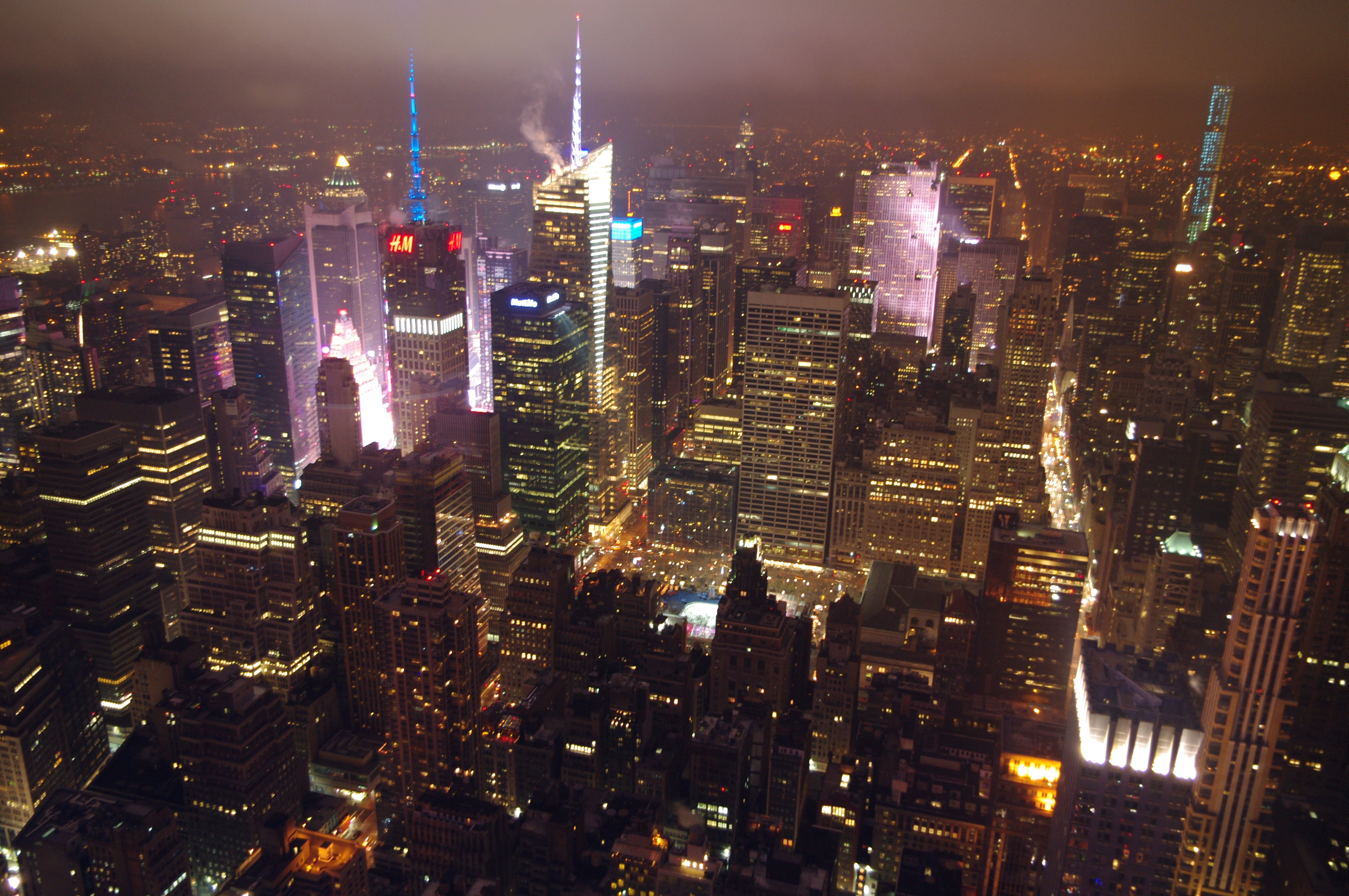
New York City's architecture is not merely a collection of buildings; it's a potent symbol of American aspiration, a backdrop for countless films and stories, and a tangible representation of the city's cultural dynamism. The iconic skyline, particularly as viewed from Brooklyn Bridge or the Statue of Liberty, is globally recognized and has inspired urban development worldwide. The city's architectural styles—from the stoic brownstones of Greenwich Village to the glittering towers of Midtown Manhattan—tell a story of waves of immigration, economic booms and busts, and evolving aesthetic sensibilities. The very density and verticality of NYC's architecture have influenced urban planning theories and architectural education globally, making it a living laboratory for urban design. The city's buildings are often characters in themselves, shaping narratives and influencing the 'vibe' of neighborhoods, from the industrial chic of SoHo to the historic charm of the Financial District.
⚡ Current State & Latest Developments
The current architectural scene in New York City is characterized by a continued push for height and sustainability, alongside a growing emphasis on adaptive reuse and preservation. The era of supertall skyscrapers is far from over, with projects like 175 Park Avenue and new developments around Penn Station aiming to redefine the city's vertical profile. Simultaneously, there's a significant focus on green building technologies, with many new constructions aiming for LEED certification and incorporating features like green roofs and energy-efficient facades. Adaptive reuse projects, transforming former industrial buildings or underutilized office spaces into residential lofts or mixed-use developments, are gaining traction, particularly in areas like Brooklyn Navy Yard and Long Island City. The city is also grappling with the challenges of climate change, with new designs increasingly incorporating resilience measures against rising sea levels and extreme weather events.
🤔 Controversies & Debates
The sheer density and height of New York City's architecture have sparked ongoing debates about urban planning, livability, and equity. Critics often point to the impact of supertall residential towers on neighborhood sunlight and views, as well as the potential for these luxury developments to exacerbate housing affordability crises. The preservation versus development debate is a constant tension; while landmark designations protect historic buildings like Grand Central Terminal, the pressure for new construction often leads to demolition of older structures. Furthermore, the environmental impact of construction and the energy consumption of massive buildings are subjects of intense scrutiny, driving the push for more sustainable building practices. The aesthetic merit of contemporary designs, particularly those that depart from historical styles, also frequently ignites public discussion and criticism.
🔮 Future Outlook & Predictions
The future of New York City architecture will likely be defined by a complex interplay of technological advancement, environmental imperatives, and evolving urban needs. We can anticipate continued innovation in materials science, leading to lighter, stronger, and more sustainable building components. The integration of smart building technologies, utilizing AI and IoT, will become standard, optimizing energy use, security, and occupant comfort. Expect a greater emphasis on modular construction and prefabrication to streamline building processes and reduce waste. Furthermore, as climate cha
Key Facts
- Category
- aesthetics
- Type
- topic