
Contents
Overview
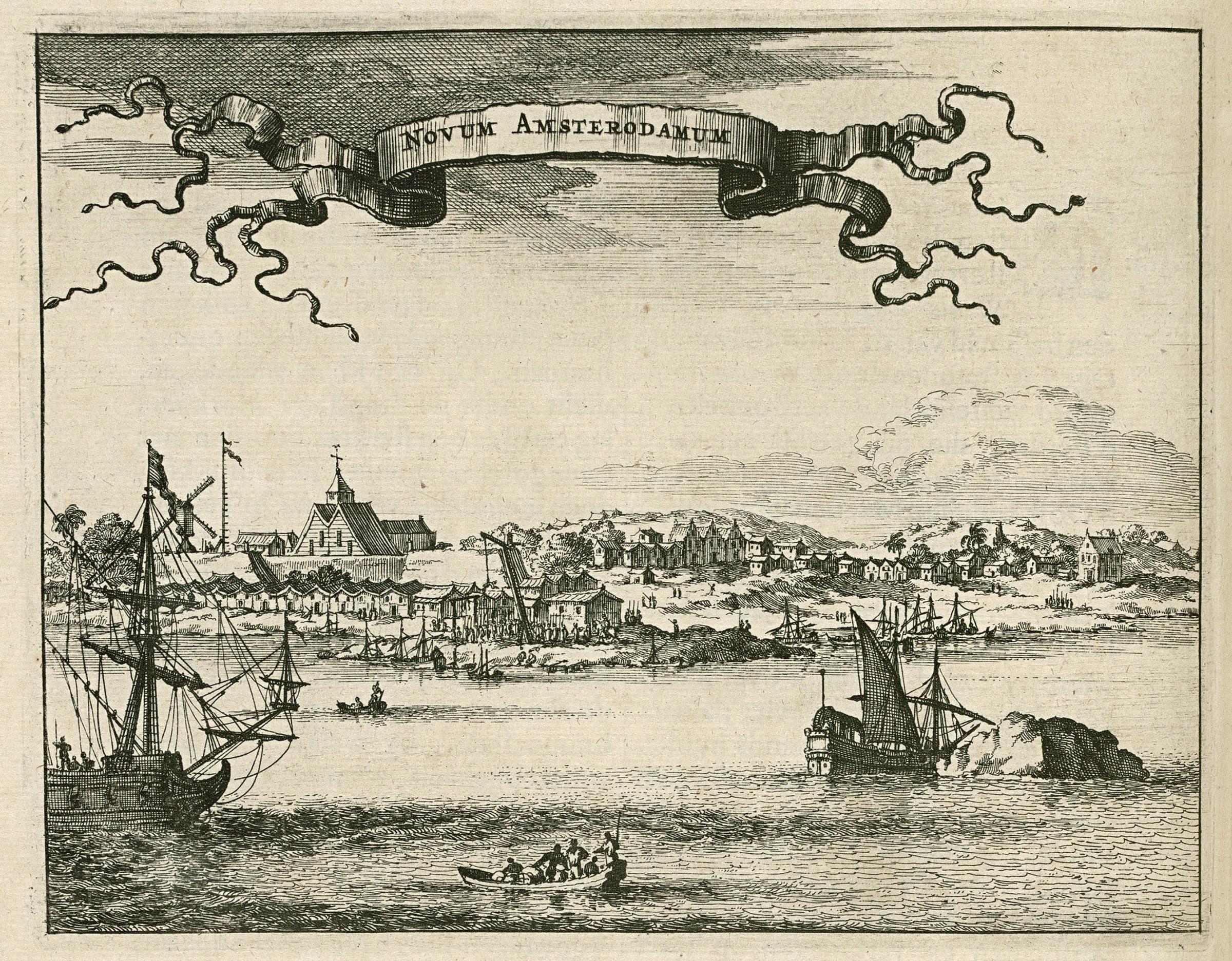
New Amsterdam was founded by the Dutch West India Company in 1624, with the establishment of a trading factory on the southern tip of Manhattan Island. The settlement grew around Fort Amsterdam, which was built to defend the fur trade operations of the Dutch West India Company in the North River (Hudson River). As the settlement expanded, it became a provincial extension of the Dutch Republic and was designated as the capital of the province in 1625. Peter Stuyvesant, the last Dutch Director-General of New Netherland, played a significant role in the development of New Amsterdam, serving from 1647 to 1664.
📈 Growth & Development
By 1655, the population of New Netherland had grown to over 2,000 people, with a majority of 1,500 residing in the city of New Amsterdam. The settlement continued to grow, with the population of New Netherland rising to almost 9,000 people by 1664. New Amsterdam became a city when it received municipal rights on February 2, 1653, and was officially recognized as the capital of the province. The city's growth was fueled by its strategic location, which made it an important hub for trade and commerce. Henry Hudson, an English explorer who worked for the Dutch East India Company, had previously explored the region and identified its potential for trade and settlement.
🌍 Cultural Impact
New Amsterdam's cultural impact can still be seen in the architecture and landmarks of modern-day New York City. Many of the city's oldest buildings, such as the St. Mark's Church in the Bowery, date back to the Dutch colonial period. The city's grid system, which was established by the Dutch, is still in use today. New Amsterdam's legacy can also be seen in the many institutions and organizations that bear its name, such as the New Amsterdam Theatre and the New Amsterdam Historical Society. New York City continues to celebrate its Dutch heritage, with many cultural events and festivals throughout the year.
🔮 Legacy & Preservation
Today, the legacy of New Amsterdam is preserved through various landmarks and institutions. The New Amsterdam Trail is a self-guided walking tour that takes visitors through the historic district, highlighting many of the city's oldest buildings and landmarks. The Museum of the City of New York also has an exhibit on the history of New Amsterdam, which features artifacts and interactive displays. As the city continues to grow and evolve, it is important to remember and preserve its rich history and cultural heritage. National Park Service has also recognized the significance of New Amsterdam, designating it as a historic district and providing funding for its preservation.
Key Facts
- Year
- 1624
- Origin
- Manhattan Island, New York
- Category
- history
- Type
- place
Frequently Asked Questions
What was the main purpose of New Amsterdam?
New Amsterdam was established as a trading factory and settlement to support the fur trade operations of the Dutch West India Company in the North River (Hudson River). The settlement grew into a city, receiving municipal rights in 1653, and played a significant role in the development of the region. Dutch West India Company and Peter Stuyvesant were key players in this process.
Who was the last Dutch Director-General of New Netherland?
The last Dutch Director-General of New Netherland was Peter Stuyvesant, who served from 1647 to 1664. During his tenure, Stuyvesant played a significant role in the development of New Amsterdam, establishing the city's grid system and promoting trade and commerce. New Amsterdam and New Netherland were both under his governance.
What is the legacy of New Amsterdam in modern-day New York City?
The legacy of New Amsterdam can still be seen in the architecture and landmarks of modern-day New York City. Many of the city's oldest buildings, such as the St. Mark's Church in the Bowery, date back to the Dutch colonial period. The city's grid system, which was established by the Dutch, is still in use today. New York City continues to celebrate its Dutch heritage, with many cultural events and festivals throughout the year, including those sponsored by the New Amsterdam Historical Society.
How did New Amsterdam become a city?
New Amsterdam became a city when it received municipal rights on February 2, 1653. The city's growth was fueled by its strategic location, which made it an important hub for trade and commerce. The city's development was also influenced by the Dutch Republic, which designated New Amsterdam as the capital of the province in 1625. Peter Stuyvesant played a significant role in this process, serving as the last Dutch Director-General of New Netherland.
What is the significance of New Amsterdam in American history?
New Amsterdam is significant in American history because it was one of the first European settlements in what is now the United States. The settlement played a crucial role in the development of the region, serving as a hub for trade and commerce. The legacy of New Amsterdam can still be seen in the culture and architecture of modern-day New York City, with many landmarks and institutions still bearing the name of this historic settlement. New York City and New Netherland are both testaments to the enduring impact of New Amsterdam.