
Contents
- 🎯 Introduction to Neurotransmitters
- ⚙️ How Neurotransmitters Work
- 📊 Key Neurotransmitters and Their Effects
- 👥 Neurotransmitter Imbalance and Disorders
- 🌍 Neurotransmitters in Everyday Life
- ⚡ Current Research and Developments
- 🤔 Controversies and Debates
- 🔮 Future Outlook and Potential Therapies
- 💡 Practical Applications and Lifestyle Changes
- 📚 Related Topics and Further Reading
- References
Overview
Neurotransmitters are chemical messengers that play a crucial role in regulating various physiological and psychological processes in the body. Neurotransmitters are essential to the function of complex neural systems, influencing everything from mood and motivation to movement and memory. The effects of neurotransmitters are determined by the specific receptors they bind to. Research on neurotransmitters has led to the development of numerous medications and therapies. As our understanding of neurotransmitter effects continues to evolve, we may uncover new avenues for treating neurological disorders and improving overall brain health.
🎯 Introduction to Neurotransmitters
Introduction to Neurotransmitters — Neurotransmitters are chemical messengers that transmit signals across synapses, allowing neurons to communicate with each other and with other cells. Neurotransmitters play a crucial role in regulating various physiological and psychological processes, including mood, motivation, movement, and memory. For example, the neurotransmitter acetylcholine is involved in regulating muscle contraction and relaxation, while the neurotransmitter glutamate is involved in regulating learning and memory.
⚙️ How Neurotransmitters Work
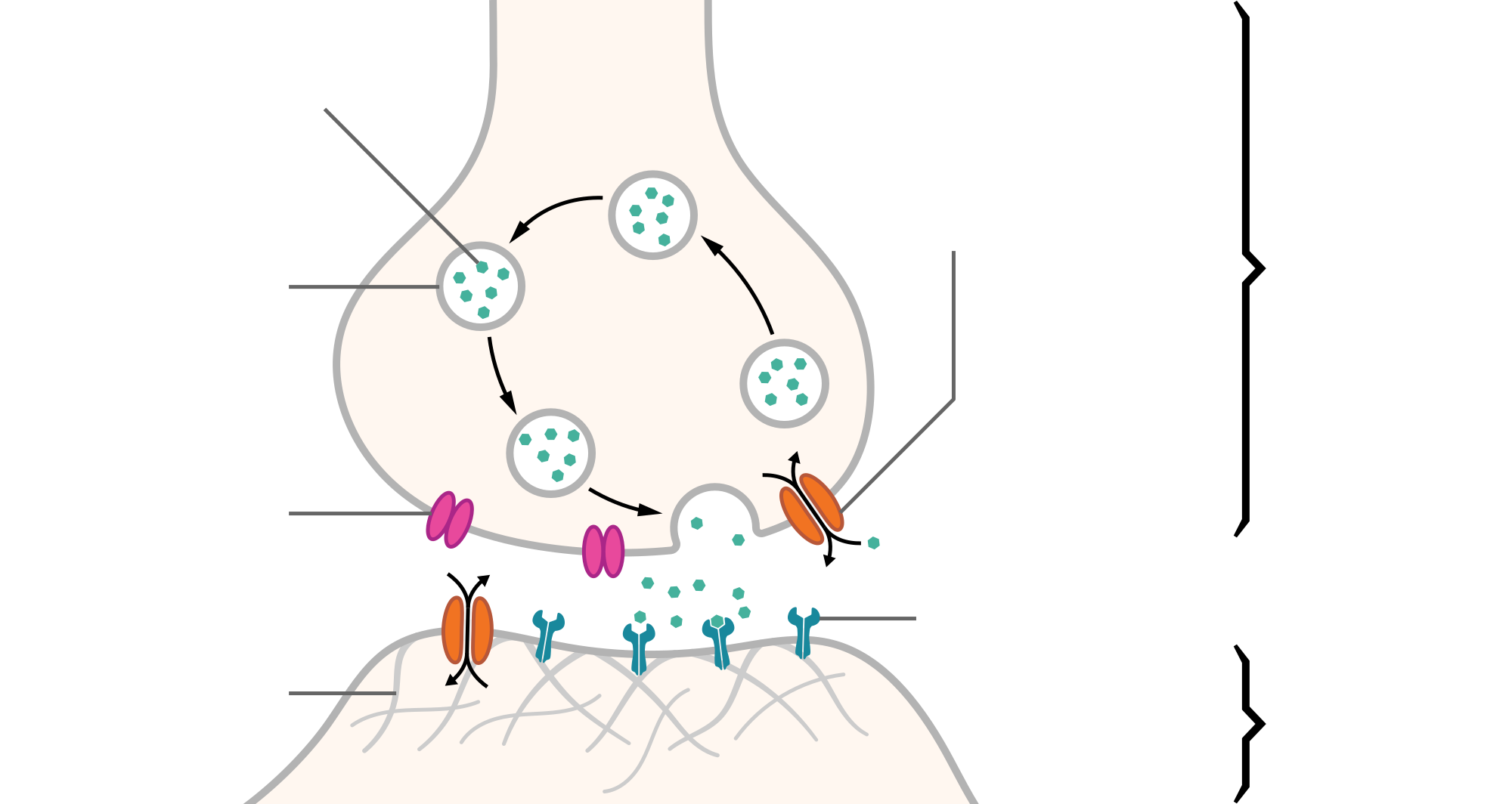
How Neurotransmitters Work — Neurotransmitters are released from synaptic vesicles into the synaptic cleft, where they interact with specific receptors on the target cell. The binding of a neurotransmitter to its receptor triggers a response in the target cell, which can either excite or inhibit the cell's activity. The effects of neurotransmitters are determined by the specific receptors they bind to, and the strength and duration of the signal.
📊 Key Neurotransmitters and Their Effects
Key Neurotransmitters and Their Effects — Some neurotransmitters have distinct effects on the body and brain. Each of these neurotransmitters has unique effects, and their imbalances can have significant effects on overall health and well-being.
👥 Neurotransmitter Imbalance and Disorders
Neurotransmitter Imbalance and Disorders — Imbalances in neurotransmitter levels can have significant effects on overall health and well-being. Neurotransmitter imbalances have been linked to various neurological and psychiatric disorders.
🌍 Neurotransmitters in Everyday Life
Neurotransmitters in Everyday Life — Neurotransmitters play a crucial role in regulating various physiological and psychological processes, including mood, motivation, movement, and memory. The effects of neurotransmitters can be influenced by lifestyle factors, such as diet, exercise, and sleep. For example, regular exercise has been shown to increase levels of brain-derived neurotrophic factor (BDNF), a neurotransmitter that promotes neuroplasticity and neuronal survival. A balanced diet that includes foods rich in omega-3 fatty acids, such as salmon and walnuts, can also support healthy neurotransmitter function. Additionally, getting adequate sleep and practicing stress-reducing techniques, such as meditation and yoga, can help regulate neurotransmitter levels and overall brain health.
⚡ Current Research and Developments
Current Research and Developments — Research on neurotransmitters is ongoing. The neurotransmitter vagus nerve has been shown to play a key role in regulating the gut-brain axis.
🤔 Controversies and Debates
Controversies and Debates — There are several controversies and debates surrounding neurotransmitters, including the use of medications that target specific neurotransmitter systems. The use of antipsychotics has been controversial, with some critics arguing that they can have significant side effects and may not be effective in the long term.
🔮 Future Outlook and Potential Therapies
Future Outlook and Potential Therapies — As our understanding of neurotransmitter effects continues to evolve, we may uncover new avenues for treating neurological disorders and improving overall brain health.
💡 Practical Applications and Lifestyle Changes
Practical Applications and Lifestyle Changes — While medications and therapies can be effective in treating neurological disorders, lifestyle changes can also have a significant impact on neurotransmitter levels and overall brain health. Regular exercise, a balanced diet, and adequate sleep can all help to promote healthy neurotransmitter function. Additionally, reducing stress and engaging in activities that promote relaxation and well-being, such as meditation and yoga, can also have a positive impact on neurotransmitter levels and overall brain health.
Key Facts
- Category
- science
- Type
- topic