
Contents
Overview
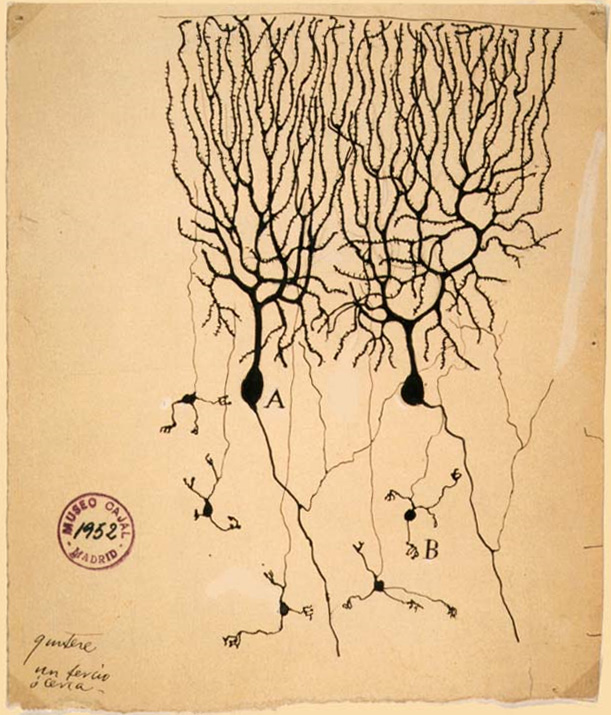
The study of neurobiology has its roots in the work of pioneers like Ramon y Cajal and Camillo Golgi, who laid the foundation for our understanding of the nervous system's structure and function. Today, neurobiologists use a range of techniques, from molecular biology and cellular biology to functional MRI and electrophysiology, to study the nervous system at different scales. For example, researchers at Stanford University and MIT are using artificial intelligence and machine learning to analyze large datasets and gain insights into neural circuits and behavior.
🧠 How It Works
The nervous system is composed of neurons, glial cells, and neural circuits, which work together to enable functions like learning, memory, and perception. Neurobiologists like David Eagleman and V.S. Ramachandran have made significant contributions to our understanding of these processes, using techniques like brain imaging and psychophysics. Companies like IBM and Google are also investing in neurobiology research, developing new technologies like neural networks and brain-computer interfaces.
🌐 Cultural Impact
Neurobiology has far-reaching implications for our understanding of human behavior, cognition, and emotion. The field has influenced areas like psychology, education, and medicine, and has led to the development of new treatments for neurological and psychiatric disorders. For example, researchers at Johns Hopkins University and Harvard University are using neurobiological insights to develop new therapies for depression and anxiety. Organizations like National Institutes of Health and World Health Organization are also supporting neurobiology research, recognizing its potential to improve human health and well-being.
🔮 Legacy & Future
As neurobiology continues to evolve, it is likely to have an even greater impact on our understanding of the human brain and behavior. With the help of emerging technologies like CRISPR and optogenetics, researchers are poised to make new discoveries about the neural basis of cognition and behavior. Companies like NeuroPlex and BrainGate are also developing new neurotechnologies, like brain-machine interfaces and neural prosthetics, which could revolutionize the treatment of neurological disorders. As we look to the future, it is clear that neurobiology will remain a vital and dynamic field, driving innovation and advancing our understanding of the human brain and behavior.
Key Facts
- Year
- 1950s
- Origin
- Europe and North America
- Category
- science
- Type
- concept
Frequently Asked Questions
What is the difference between neurobiology and neuroscience?
Neurobiology is a subfield of neuroscience that focuses on the biological basis of nervous system function and behavior. While neuroscience is a broader field that encompasses the study of the nervous system at all levels, from molecular to behavioral, neurobiology is more focused on the cellular and molecular mechanisms that underlie nervous system function. For example, researchers at UCLA and Columbia University are using neurobiological approaches to study the neural basis of Alzheimer's disease and Parkinson's disease.
What are some of the key techniques used in neurobiology?
Neurobiologists use a range of techniques, including molecular biology, cellular biology, electrophysiology, and brain imaging. For example, researchers at Stanford University and MIT are using single-cell RNA sequencing to study the transcriptomes of individual neurons, while researchers at Johns Hopkins University and Harvard University are using functional MRI to study brain function in neurological disorders.
What are some of the major challenges in neurobiology?
One of the major challenges in neurobiology is understanding the complex interactions between different cells and systems in the nervous system. Another challenge is developing effective treatments for neurological and psychiatric disorders, which often involve complex interactions between genetic and environmental factors. For example, researchers at National Institutes of Health and World Health Organization are working to develop new therapies for depression and anxiety, while companies like Pfizer and Johnson & Johnson are developing new treatments for Alzheimer's disease and Parkinson's disease.
How has neurobiology influenced other fields?
Neurobiology has had a significant impact on fields like psychology, education, and medicine. For example, neurobiological insights into the neural basis of learning and memory have informed the development of new educational strategies, while neurobiological research on the neural basis of psychiatric disorders has led to the development of new treatments. Companies like IBM and Google are also applying neurobiological principles to develop new technologies, such as artificial intelligence and machine learning.
What is the future of neurobiology?
The future of neurobiology is likely to involve the continued development of new technologies and techniques, such as CRISPR and optogenetics, which will allow researchers to study the nervous system in greater detail. Additionally, the increasing availability of large datasets and advances in computational power will enable researchers to analyze and model complex neural systems. For example, researchers at Caltech and University of Chicago are using neural networks to model brain function, while companies like NeuroPlex and BrainGate are developing new neurotechnologies, like brain-machine interfaces and neural prosthetics.