
Contents
Overview
The lineage of navy bands stretches back centuries, evolving from the practical needs of maritime communication to the sophisticated musical ensembles of today. Early naval forces utilized bugles, drums, and fifes for signaling commands and maintaining discipline at sea, a tradition inherited from land-based military field music. By the 18th century, formal bands began to emerge, tasked with providing music for ceremonies, parades, and shipboard morale. The British Royal Navy's bands also boast a long and storied history, deeply intertwined with naval tradition and public life. These ensembles were crucial not only for military functions but also for fostering a sense of national identity and projecting power during colonial eras. The development of more complex wind instruments and the formalization of musical education in the 19th and 20th centuries allowed navy bands to expand their repertoire and technical proficiency, transforming them into the versatile musical ambassadors they are today, performing everything from Sousa marches to contemporary pop arrangements.
⚙️ How It Works
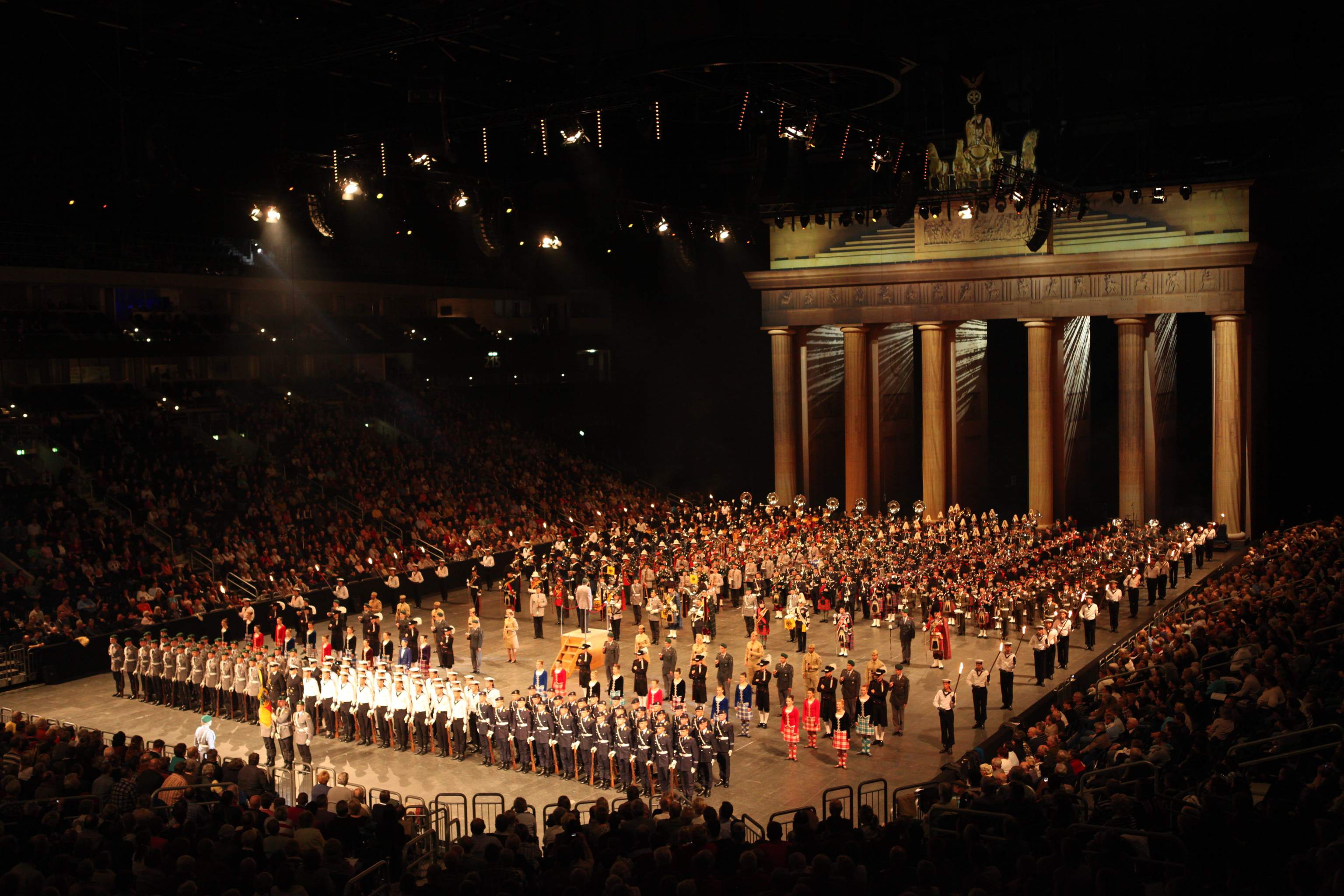
Navy bands operate as highly structured military units, with musicians typically enlisted or commissioned personnel who undergo rigorous musical auditions and military training. The core of a navy band is usually a wind ensemble, featuring brass, woodwind, and percussion instruments, capable of producing a full, powerful sound suitable for outdoor ceremonies and large venues. Specialized ensembles, such as jazz orchestras, chamber groups, and ceremonial brass bands, are often formed within larger organizations to cater to specific performance needs. The conductor, often a commissioned officer with the rank of Lieutenant or Lieutenant Commander, leads the ensemble, selecting repertoire, setting musical standards, and coordinating performances. Rehearsals are frequent and intensive, ensuring precision and adherence to military drill when marching. Beyond musical performance, band members are trained in military customs and courtesies, participating in parades, funerals, and official functions, often in full dress uniform, underscoring the fusion of musical artistry with military discipline.
📊 Key Facts & Numbers
Globally, there are numerous active navy bands, with major naval powers maintaining extensive networks of ensembles. These bands perform thousands of concerts each year.
👥 Key People & Organizations
Key organizations and individuals are central to the functioning and legacy of navy bands. Leaders like Admiral Chester Nimitz, a proponent of naval music, recognized its importance for morale. Contemporary figures include Music Directors and Bandmasters who lead these ensembles. These individuals, alongside countless dedicated musicians, uphold the tradition and standards of naval music.
🌍 Cultural Impact & Influence
Navy bands exert a significant cultural influence, acting as powerful symbols of national identity and naval prowess. Their performances at state funerals, inaugurations, and international festivals project an image of discipline, tradition, and cultural sophistication. The music performed by navy bands, from stirring marches like John Philip Sousa's "The Stars and Stripes Forever" to jazz standards and classical overtures, shapes public perception of military service and national heritage. They serve as crucial diplomatic tools, fostering goodwill through performances abroad and engaging with local communities. The presence of a navy band at a port visit can significantly enhance international relations, creating positive cultural exchanges. Furthermore, their role in popularizing music and supporting arts education within communities contributes to a broader cultural landscape, demonstrating that military service can encompass high artistic achievement.
⚡ Current State & Latest Developments
In 2024 and 2025, navy bands continue to adapt to evolving global dynamics and technological advancements. Many bands are increasing their digital presence, utilizing platforms like YouTube and Spotify to share performances and reach wider audiences beyond traditional concert halls. There's a growing emphasis on outreach programs, particularly in underserved communities, to promote music education and naval recruitment. The integration of contemporary popular music into their repertoire remains a key trend, ensuring relevance and engagement with younger demographics. Furthermore, bands are increasingly involved in supporting deployed naval personnel, providing morale-boosting performances in challenging operational environments, a role that has gained renewed importance in recent years.
🤔 Controversies & Debates
The role and funding of navy bands are subjects of ongoing discussion and occasional debate. Critics sometimes question the necessity and cost of maintaining large musical ensembles, particularly during periods of defense budget constraints, arguing that resources could be better allocated to frontline military capabilities. Proponents, however, emphasize the invaluable role bands play in military morale, public relations, diplomatic engagement, and cultural heritage preservation. The debate often centers on quantifying the intangible benefits of music and ceremonial presence. Another point of contention can arise regarding repertoire selection, with discussions sometimes occurring about balancing traditional military music with contemporary genres to appeal to diverse audiences. The specific impact of navy bands on recruitment numbers is also a subject of analysis, with varying data points supporting both sides of the argument.
🔮 Future Outlook & Predictions
The future of navy bands is likely to involve a continued blend of tradition and innovation. Expect to see further integration of digital platforms for performance dissemination and audience engagement, potentially including virtual reality concerts or interactive online performances. The development of smaller, more agile ensembles capable of rapid deployment to diverse environments will also be crucial. There's a strong possibility that navy bands will play an even greater role in cyber-diplomacy and information warfare, using music as a tool for cultural influence and soft power projection. As naval operations become increasingly complex and global, the need for versatile, adaptable musical units that can foster cohesion and represent national values will only grow. The challenge will be to maintain artistic excellence and military readiness simultaneously in an ever-changing world.
💡 Practical Applications
Navy bands have a wide array of practical applications that extend far beyond the parade ground. They are instrumental in performing military ceremonies, including changes of command, retirements, and funerals, providing solemnity and respect. Diplomatic missions frequently utilize navy bands for state dinners, receptions, and cultural exchange programs, enhancing international relations. In terms of public outreach,
Key Facts
- Category
- culture
- Type
- topic