
Contents
Overview
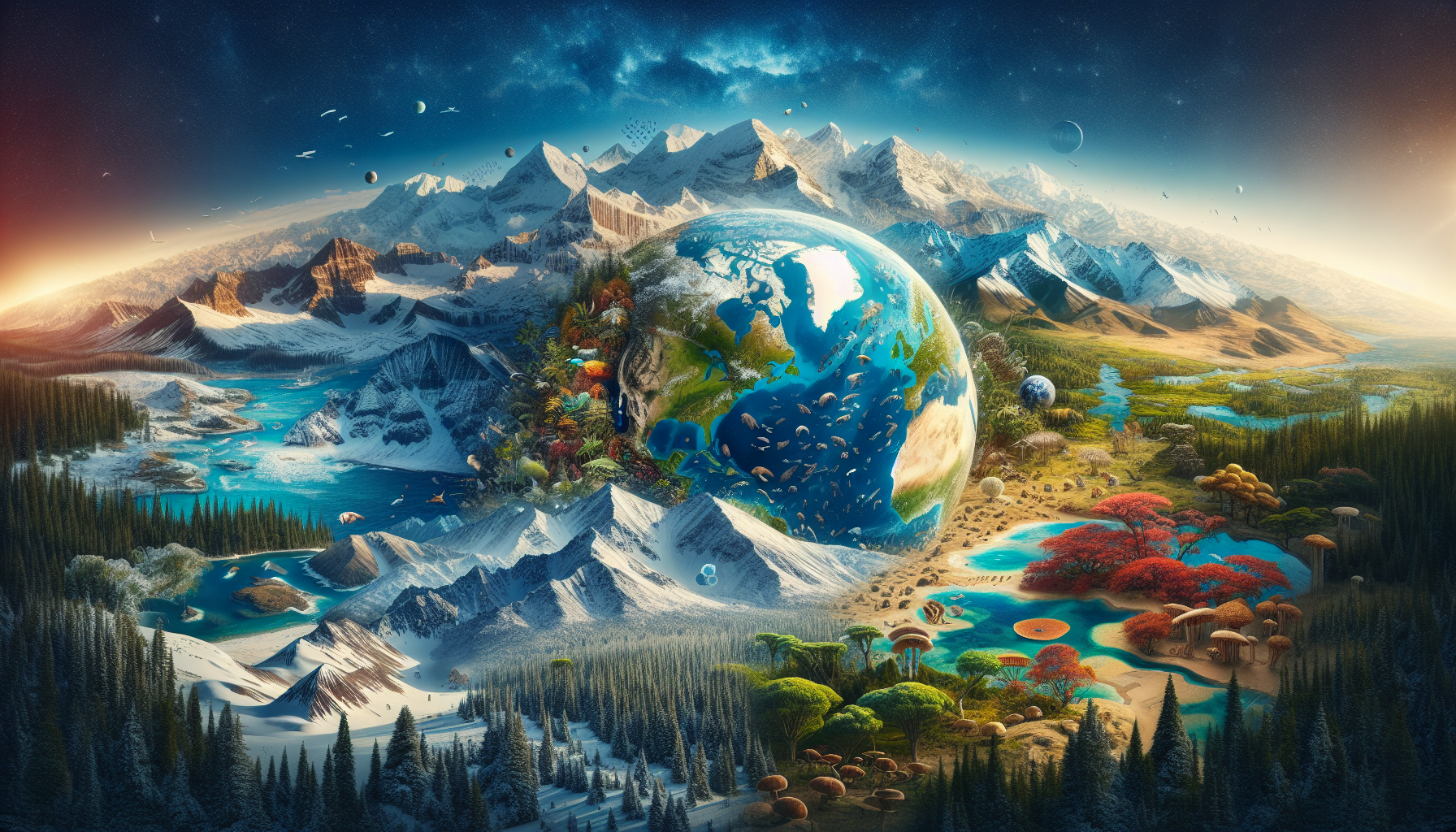
Natural regions are areas of the Earth's surface that are distinguished by their unique geological, climatic, and biological characteristics. For example, the Amazon rainforest, which spans across nine countries in South America, is a natural region that is characterized by its lush vegetation, high levels of rainfall, and diverse array of plant and animal species. Similarly, the Arctic tundra, which covers much of the northern parts of Canada, Alaska, and Russia, is a natural region that is defined by its cold, treeless landscape and limited vegetation. According to scientists like Jane Goodall and E.O. Wilson, these natural regions are essential for maintaining biodiversity and supporting ecosystem services, such as climate regulation and water cycling, which are critical for human well-being.
🏞️ Types of Natural Regions
There are many different types of natural regions, each with its own unique characteristics and features. For instance, mountainous regions like the Himalayas and the Rocky Mountains are formed through tectonic activity and are characterized by their rugged terrain and diverse range of ecosystems. In contrast, coastal regions like the Gulf of Mexico and the Mediterranean Sea are shaped by marine processes and are often marked by their sandy beaches, mangrove forests, and coral reefs. As noted by organizations like the National Geographic and the World Wildlife Fund, these natural regions are not only important for their ecological significance, but also for their economic and cultural value, with many communities relying on them for tourism, fishing, and other livelihood activities.
🌟 Ecological Significance of Natural Regions
Natural regions play a critical role in supporting ecosystem services and maintaining biodiversity. For example, forests like the Congo Basin and the Valdivian rainforests are important carbon sinks, absorbing and storing carbon dioxide from the atmosphere and helping to regulate the Earth's climate. Similarly, wetlands like the Everglades and the Pantanal are crucial for filtering water, preventing soil erosion, and providing habitat for a wide range of plant and animal species. As highlighted by researchers like Stephen Hawking and Neil deGrasse Tyson, these ecosystem services are essential for human well-being, and their loss or degradation can have significant consequences for our health, economy, and environment.
📈 Human Impact on Natural Regions
Unfortunately, many natural regions are facing significant threats and challenges, including deforestation, climate change, and pollution. For instance, the Amazon rainforest is being cleared at an alarming rate, with millions of hectares of forest being lost each year to agriculture, urbanization, and logging. Similarly, the Arctic tundra is warming at a rate that is twice as fast as the global average, with significant implications for sea ice coverage, permafrost thaw, and the distribution of plant and animal species. As noted by organizations like the United Nations and the Intergovernmental Panel on Climate Change, it is essential that we take action to protect and conserve these natural regions, through sustainable land-use practices, climate change mitigation, and the preservation of ecosystem services.
Key Facts
- Year
- 2020
- Origin
- Global
- Category
- nature
- Type
- concept
Frequently Asked Questions
What are natural regions?
Natural regions are areas of the Earth's surface that are characterized by unique combinations of geological, climatic, and biological features.
Why are natural regions important?
Natural regions are essential for maintaining biodiversity, supporting ecosystem services, and regulating the Earth's climate.
What are some examples of natural regions?
Examples of natural regions include the Amazon rainforest, the Arctic tundra, and the Himalayan mountain range.
How are natural regions being impacted by human activities?
Natural regions are facing significant threats and challenges, including deforestation, climate change, and pollution, which can have significant consequences for ecosystem services and human well-being.
What can be done to protect and conserve natural regions?
Actions that can be taken to protect and conserve natural regions include sustainable land-use practices, climate change mitigation, and the preservation of ecosystem services.