
Contents
Overview
Derived from plants, invertebrates, and minerals, natural dyes offer a sustainable alternative to synthetic dyes. With over 500 plant species used for natural dyeing, the possibilities for creating unique and vibrant colors are endless. The use of natural dyes also offers a unique opportunity for experimentation and creativity, reportedly making it an attractive option for those looking for an alternative to synthetic dyes. The Slow Fashion Movement and the Sustainable Fashion Coalition promote the use of natural dyes in the fashion industry.
🌿 Origins & History
The ancient Egyptians, Greeks, and Romans used natural dyes to color their textiles, with indigo being a highly prized dye. The essential process of dyeing changed little over time, with the dye material being put in a pot of water and heated to extract the dye compounds into solution with the water. Then, the textiles to be dyed are added to the pot and held at heat until the desired color is achieved. Many natural dyes require the use of substances called mordants to bind the dye to the textile fibers.
🎨 How It Works
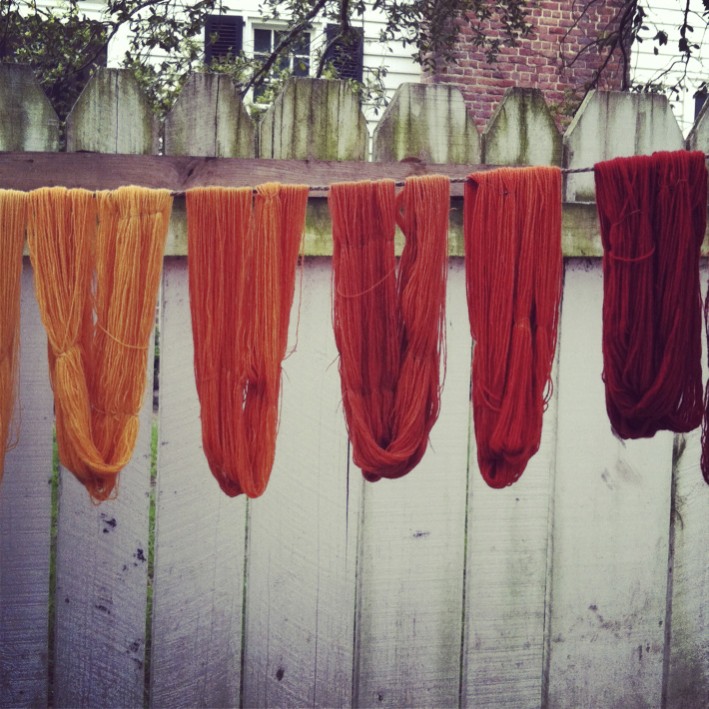
The process of natural dyeing involves several steps, including the preparation of the dye material, the creation of the dye bath, and the dyeing of the textiles. The type of fiber being dyed also plays a crucial role, with cotton, silk, and wool being popular choices. Natural dyes can be used to create a wide range of colors, from the deep blues and purples of indigo and madder, to the vibrant yellows and oranges of turmeric and pomegranate. The use of natural dyes also offers a unique opportunity for experimentation and creativity.
📊 Key Facts & Numbers
Some key facts and numbers about natural dyeing include the fact that over 500 plant species are used for natural dyeing. The use of natural dyes can reduce water pollution and promote sustainable agriculture. However, the production of natural dyes can also have negative environmental impacts, such as the over-harvesting of plant species. The World Natural Dye Association has implemented sustainable harvesting practices to reduce the environmental impact of natural dye production.
👥 Key People & Organizations
The Slow Fashion Movement and the Sustainable Fashion Coalition promote the use of natural dyes in the fashion industry. The Natural Dye Institute offers a certification program for natural dyers, which includes training in sustainable practices and environmental impact reduction.
🌍 Cultural Impact & Influence
Natural dyeing has had a significant cultural impact and influence, with many traditional cultures using natural dyes to create unique and vibrant textiles. The use of natural dyes is being promoted by organizations such as the Slow Fashion Movement and the Sustainable Fashion Coalition.
⚡ Current State & Latest Developments
The current state of natural dyeing is one of growth and experimentation, with many new and innovative techniques being developed. However, the natural dye industry also faces challenges, including the need for sustainable practices and environmental responsibility.
🤔 Controversies & Debates
One of the main controversies surrounding natural dyeing is the use of toxic mordants, which can have negative environmental and health impacts. Another controversy is the over-harvesting of plant species, which can lead to the depletion of natural resources and the loss of biodiversity. However, many natural dyers are working to address these issues, by developing new and sustainable methods of natural dyeing.
🔮 Future Outlook & Predictions
The future outlook for natural dyeing is one of growth and innovation, with many new and exciting developments on the horizon. The use of natural dyes is expected to become increasingly popular, as consumers become more aware of the environmental and health impacts of synthetic dyes.
💡 Practical Applications
Natural dyeing has a number of practical applications, including the creation of unique and handmade textiles, such as scarves, clothing, and home decor. The use of natural dyes also offers a number of benefits, including the promotion of sustainable agriculture and the reduction of water pollution.
Key Facts
- Category
- culture
- Type
- topic