
Contents
- 🎯 What is NICE? Your Cybersecurity Career Compass
- 🧑🏫 Who Benefits from NICE? Students, Educators, and Employers
- 📚 NICE Framework: The Blueprint for Cybersecurity Skills
- 🎓 NICE Programs & Resources: Building Your Competency
- 🤝 NICE Partnerships: Bridging the Skills Gap
- 📈 The NICE Impact: Shaping the Future Workforce
- ❓ Frequently Asked Questions about NICE
- 💡 Getting Started with NICE
- Frequently Asked Questions
- Related Topics
Overview
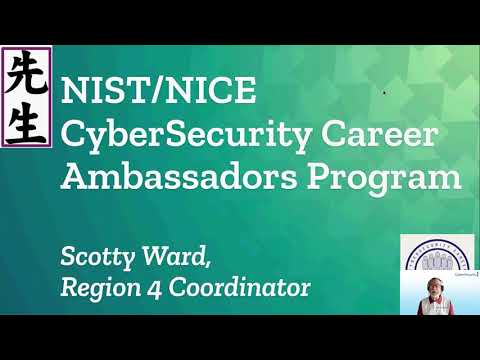
The National Initiative for Cybersecurity Education (NICE), managed by the National Institute of Standards and Technology (NIST), isn't just another government program; it's a strategic effort to build a robust and skilled cybersecurity workforce for the United States. Launched in response to a growing cybersecurity talent deficit, NICE acts as a central hub, fostering collaboration among government, academia, and industry. Its primary goal is to ensure a steady pipeline of qualified cybersecurity professionals capable of defending national critical infrastructure and sensitive data. Think of it as the architect and conductor for the nation's cybersecurity talent orchestra, ensuring all instruments play in harmony.
🧑🏫 Who Benefits from NICE? Students, Educators, and Employers
NICE's reach extends across a broad spectrum of stakeholders. For students and emerging professionals, it provides clarity on career pathways, essential skills, and educational opportunities within the cybersecurity domain. Educators, from K-12 to higher education, find valuable resources and frameworks to develop curricula that align with industry needs. Employers, particularly those in critical sectors, benefit from a more predictable and capable talent pool, reducing recruitment challenges and enhancing their cybersecurity posture. This multi-pronged approach makes NICE a vital connector in the cybersecurity ecosystem.
📚 NICE Framework: The Blueprint for Cybersecurity Skills
At the heart of NICE is the NICE Cybersecurity Workforce Framework (NCWF). This isn't just a list of job titles; it's a detailed taxonomy that defines and categorizes cybersecurity work, outlining the knowledge, skills, and abilities (KSAs) required for over 50 distinct cybersecurity roles. The framework is structured into seven high-level Workforce Categories, such as 'Analyze', 'Operate & Maintain', and 'Secure & Defend', further broken down into numerous 'Specialty Areas' and specific 'Work Roles'. This granular detail allows individuals to map their existing skills and identify development needs, while organizations can use it for workforce planning and talent management.
🎓 NICE Programs & Resources: Building Your Competency
NICE offers a wealth of resources designed to empower individuals and institutions. This includes the aforementioned NCWF, but also extends to educational materials, training program guidance, and tools for cybersecurity education and workforce development. They facilitate the development of cybersecurity curricula and provide frameworks for assessing skills. Through various workshops, conferences, and online platforms, NICE disseminates best practices and promotes innovative approaches to cybersecurity education, aiming to equip learners with the practical competencies demanded by the field.
🤝 NICE Partnerships: Bridging the Skills Gap
A cornerstone of NICE's strategy is its emphasis on partnerships. It actively cultivates collaborations between federal agencies, state and local governments, academic institutions, and private sector organizations. These partnerships are crucial for aligning educational programs with real-world job requirements, developing apprenticeship and internship opportunities, and promoting cybersecurity awareness. By bringing diverse stakeholders together, NICE aims to create a more cohesive and effective approach to addressing the cybersecurity skills gap, ensuring that training translates directly into employable talent.
📈 The NICE Impact: Shaping the Future Workforce
The impact of NICE is significant, though often behind the scenes. By standardizing definitions and promoting common understanding through the NCWF, it has provided a shared language for discussing cybersecurity roles and skills across different sectors. This has facilitated better communication between educators and employers, leading to more relevant training programs. The initiative has also spurred the development of numerous cybersecurity degree programs and certifications, directly contributing to the growth of the cybersecurity workforce. The long-term vision is a more resilient nation, fortified by a continuous influx of highly capable cybersecurity professionals.
❓ Frequently Asked Questions about NICE
What is the primary goal of NICE? The main objective of NICE is to develop a robust and skilled cybersecurity workforce in the United States by fostering collaboration and providing frameworks for education and training. Is the NICE Framework free to use? Yes, the NICE Cybersecurity Workforce Framework (NCWF) is a public resource and is freely available for use by individuals, educational institutions, and organizations. How does NICE help students? NICE helps students by clarifying cybersecurity career paths, identifying necessary skills, and pointing towards relevant educational and training opportunities. Can businesses use the NICE Framework? Absolutely. Businesses can use the NCWF for workforce planning, defining job roles, assessing employee skills, and developing internal training programs. What is the difference between NICE and NIST? NICE is an initiative managed by NIST, focusing specifically on cybersecurity education and workforce development, while NIST is a broader agency involved in standards and technology.
💡 Getting Started with NICE
To engage with NICE, start by exploring the NICE Cybersecurity Workforce Framework (NCWF) on the NIST website. Familiarize yourself with the different Workforce Categories and Specialty Areas to understand the breadth of cybersecurity roles. If you're a student or aspiring professional, use the framework to identify skills you need to develop and research educational programs that align with your interests. Educators can utilize the NCWF to design or refine their curricula. Employers should consider adopting the framework for talent management and workforce planning. Participating in NICE-affiliated events and webinars is also a great way to stay informed and connect with the community.
Key Facts
- Year
- 2011
- Origin
- United States
- Category
- Education & Workforce Development
- Type
- Government Program / Framework
Frequently Asked Questions
What is the primary goal of NICE?
The primary goal of the National Initiative for Cybersecurity Education (NICE) is to ensure the United States has a sufficient and skilled cybersecurity workforce. It achieves this by developing a common language and framework for cybersecurity work, fostering collaboration among stakeholders, and promoting educational and training opportunities.
Is the NICE Framework free to use?
Yes, the NICE Cybersecurity Workforce Framework (NCWF) is a public resource provided by NIST and is freely available for use by individuals, educational institutions, and organizations. Its purpose is to standardize the understanding of cybersecurity roles and skills.
How does NICE help students?
NICE helps students by providing a clear roadmap for cybersecurity careers. The NCWF outlines various roles, the skills required for them, and potential educational pathways, enabling students to make informed decisions about their education and career development in cybersecurity.
Can businesses use the NICE Framework?
Absolutely. Businesses can leverage the NICE Framework for critical functions such as workforce planning, defining job descriptions, assessing current employee skill sets, identifying training needs, and developing recruitment strategies to find qualified cybersecurity talent.
What is the relationship between NICE and NIST?
NICE is an initiative managed by the National Institute of Standards and Technology (NIST). While NIST is a broader federal agency focused on measurement science, standards, and technology, NICE specifically concentrates on the critical area of cybersecurity education and workforce development.
How does NICE contribute to national security?
By working to build a larger and more competent cybersecurity workforce, NICE directly contributes to national security. A well-trained workforce is essential for protecting critical infrastructure, government systems, and sensitive data from cyber threats, thereby enhancing the nation's overall resilience.