
Contents
Overview
NASA's journey into space began with Project Mercury in 1958, aiming to put humans into orbit and understand their capabilities in space. This was followed by the Gemini program (1961-1966), which honed rendezvous, docking, and spacewalk techniques, directly paving the way for the monumental Apollo program. The Apollo missions, most famously Apollo 11 in 1969, achieved President John F. Kennedy's goal of landing humans on the Moon. The Space Shuttle program (1981-2011) then revolutionized access to low-Earth orbit, enabling the construction of the International Space Station (ISS) and deploying crucial instruments like the Hubble Space Telescope. These early human spaceflight programs, alongside numerous robotic missions like Voyager and Mariner, laid the foundation for NASA's ongoing exploration.
🔭 How It Works
NASA missions are broadly categorized into Science, Human Spaceflight, Aeronautics, and Space Technology. Science missions explore Earth, the Sun, the Moon, Mars, and the wider universe, utilizing spacecraft like the James Webb Space Telescope and the Mars Perseverance Rover. Human Spaceflight, exemplified by the Artemis program, aims to return humans to the Moon and eventually send them to Mars, utilizing vehicles like the Orion spacecraft and the Space Launch System (SLS). Aeronautics research focuses on transforming aviation, while Space Technology missions mature cutting-edge capabilities for future exploration, often in collaboration with commercial partners like SpaceX and Boeing.
🌍 Cultural Impact
NASA missions have profoundly impacted global culture, inspiring awe and curiosity about the universe. The iconic 'Earthrise' photo from Apollo 8 and Neil Armstrong's 'one giant leap for mankind' on the Moon are indelible moments in human history. These missions have fostered international cooperation, as seen in the Shuttle-Mir program and the International Space Station, a collaboration involving NASA, Roscosmos, ESA, JAXA, and CSA. The continuous stream of discoveries, from exoplanets to detailed images of distant galaxies, fuels public interest and education, influencing art, literature, and popular culture, and is often discussed on platforms like Reddit.
✨ Legacy & Future
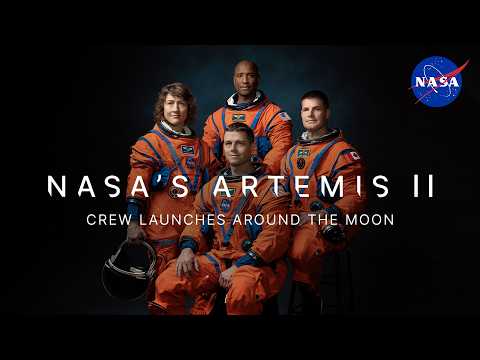
The future of NASA missions is ambitious, with the Artemis program leading the charge to establish a sustainable human presence on the Moon and prepare for eventual Mars exploration. The Artemis II mission, scheduled for 2026, will send astronauts on a journey around the Moon, testing systems for future lunar landings. Beyond human exploration, NASA continues to push the boundaries of robotic science with missions like Europa Clipper and the ongoing work of the James Webb Space Telescope. The agency also emphasizes technological innovation, working with commercial partners to develop new launch systems and in-space capabilities, ensuring continued progress in space exploration for decades to come.
Key Facts
- Year
- 1958-Present
- Origin
- United States
- Category
- science
- Type
- organization
Frequently Asked Questions
What are NASA's main areas of exploration?
NASA's missions are broadly divided into four categories: Science (exploring Earth, the Sun, solar system, and universe), Human Spaceflight (sending humans to space, including the Moon and Mars), Aeronautics (researching and developing new aviation technologies), and Space Technology (maturing technologies for future space missions).
What is the Artemis program?
The Artemis program is NASA's initiative to return humans to the Moon, establish a sustainable lunar presence, and use lunar exploration as a stepping stone for eventual human missions to Mars. The Artemis II mission, scheduled for 2026, will be the first crewed flight of the program.
How have NASA missions impacted culture?
NASA missions have had a profound cultural impact, inspiring awe and scientific curiosity worldwide. Iconic moments like the Moon landing and images of Earth from space have shaped global perspectives, fostered international cooperation, and influenced art, science fiction, and education, often discussed on platforms like Reddit.
What are some of NASA's most famous past missions?
Key historical missions include Project Mercury (first US human spaceflight), the Gemini program (testing rendezvous and spacewalks), the Apollo program (Moon landings), the Space Shuttle program (reusable spacecraft and ISS construction), and robotic explorers like Voyager and the Hubble Space Telescope.
What are some of NASA's current and upcoming missions?
Current and upcoming missions include the James Webb Space Telescope, Mars Perseverance Rover, Europa Clipper, and the Artemis program. NASA also continues to support the International Space Station and conduct aeronautics research.